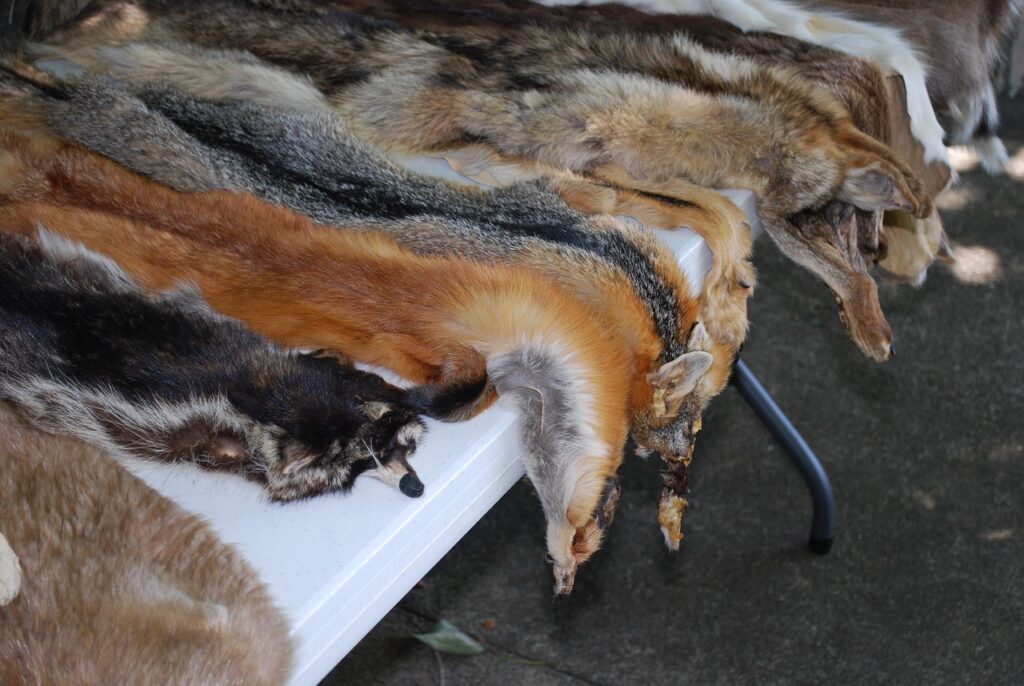

The future of fur farming returned to the spotlight on Thursday as the European Parliament pressed the Commission for clarity on a possible EU-wide ban. The debate followed a letter from MEPs requesting the Commission to address fur farming, reflecting growing public concern over animal welfare and environmental impact. Some 1.5 million people signed a petition calling for a Fur Free Europe.
The issue has been building for years. The Fur Free Europe citizens’ initiative, launched in 2022, gathered more than 1.5 million validated signatures calling for an EU-level ban. In response, the European Commission in 2023 welcomed the initiative, acknowledging the ethical and welfare concerns and committing to examine the evidence. But critics charge it has been cautious and indeed very slow to follow up.
Cruel and dangerous
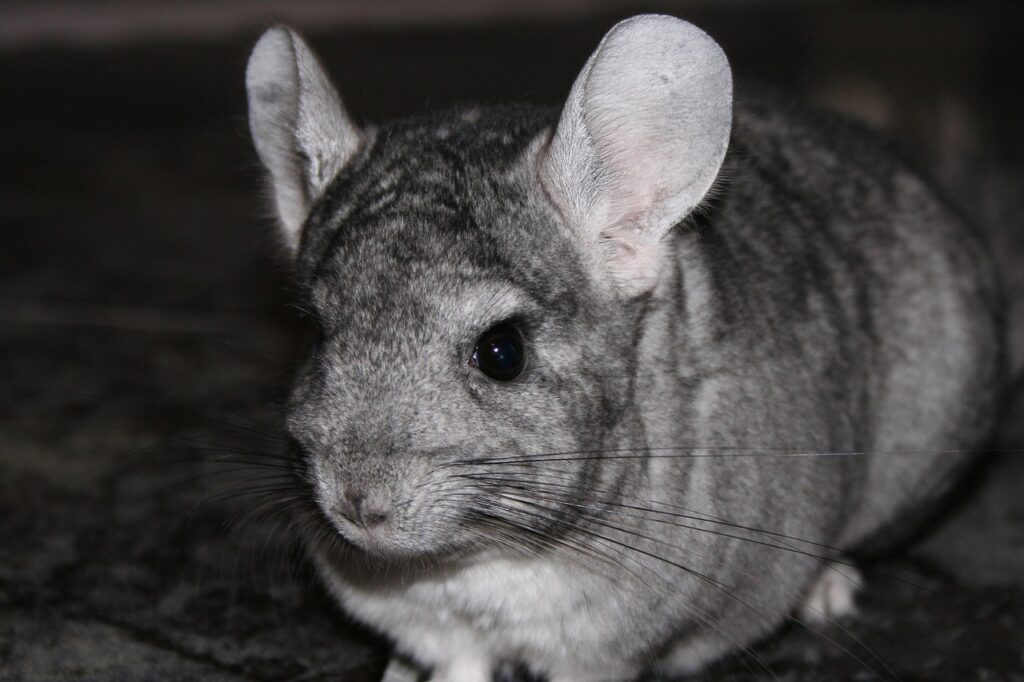
In 2025, the European Food Safety Authority (EFSA) published some of the needed evidence: a scientific opinion concluding that current fur-farming practices could not guarantee acceptable animal welfare. The EFSA report highlighted appalling conditions and practices: overcrowding, barren cages, behavioural restrictions, and the inability for animals to experience anything like natural behaviour or social interaction. Things like hunting, swimming, foraging. The outcome? High stress, abnormal behaviours, and injuries of farmed animals, which include mink, foxes, raccoon dogs, and chinchillas.
Will the Commission commit to proposing an EU-wide ban on fur farming? – Krzysztof Śmiszek (S&D/POL)
The Federation of Veterinarians of Europe (FVE), the Federation of Companion Animal Veterinary Associations (FECAVA), and the World Small Animal Veterinary Association (WSAVA) reinforced this assessment in November 2025, calling for a global phase-out of fur farming. In a timely press release, they argued that the practice is unsustainable, raises serious animal welfare concerns, and poses risks to public and environmental health, citing disease outbreaks including SARS-CoV-2 in mink farms, avian influenza spillovers, and ecological impacts from invasive American mink populations threatening native species.
Why so slow?
Yet, despite these concerns and the fact that 22 of the EU’s 27 member states have already implemented full or partial bans, the Commission has still not moved forward nearly as quickly. Fur farming remains legal under EU law, and any bloc-wide ban is, at best, years away. Not before careful coordination — including compensation and support for affected farmers and other trade implications — is in place.
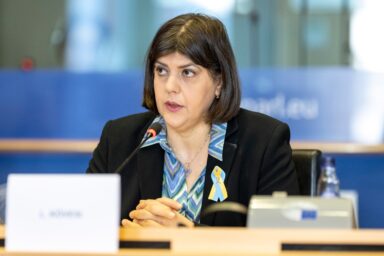
Still, for proponents of an eventual ban, Thursday’s debate was at least a small step forward. Krzysztof Śmiszek (S&D/POL), who tabled the parliamentary question prompting the debate, was the first to speak, stressing he had tabled the question on behalf of more than 40 MEPs across the political spectrum. He wasted no time taking aim at the practice of fur farming in Europe.
“The breeding of animals solely for the production of fur is outdated and grossly unethical,” he said without drama and without pathos. The aim to ban the practice, he explained, was related not just to animal welfare, but also environmental protection (due to the chemical process involved or produced in the keeping of fur farms), as well as public health.
You might be interested

Good example
The MEP also pointed to Switzerland, not an EU member, as a key example, saying the country had banned the import of any furs produced under “cruel conditions” and said that the EU Parliament recognised the issues with fur farming and public health risks, including zoonotic disease transmission. And he mentioned specifically EU citizens who had made themselves heard in the Fur Free Europe petition, and the results of scientific inquiry.
“In July 2025, the European Food Safety Authority confirmed that the welfare problems in fur farming were structural and could not be improved through tougher husbandry rules,” he said, underlining the conclusion that the animals’ needs could not be met.
“Will the Commission commit to proposing an EU-wide ban on fur farming?” he asked, underlining the need also for a commitment to not allow third countries to import furs into the EU produced under cruel conditions.
Communication in March
Maria Luís Albuquerque, the European Commissioner for Financial Services and the Savings and Investment Union, responded after the debate by saying that the Commission took careful note of both an EU-ban and a ban on cruel imports on the single market. She updated MEPs on the state of play, saying that the June scientific study had provided evidence for next steps, as would a call for evidence and further discussion within the industry to get a fuller picture both in the EU and non-EU countries. And she said that the Commission was looking at animal welfare, public health and socioeconomic impacts to arrive at the best possible approach.
“We intend to adopt a communication on the issue,” she said, “by March 2026,” reiterating that the Commission remained committed to high animal welfare standards which citizens have come to expect. “Well-kept healthy animals also support a more resilient and competitive farming sector,” she said.
Handle with care
The debate that followed saw numerous views with many supporting ending fur farming. Some made clear they were steering wide of ideologically-based views, saying simply that any ban required sufficient time and compensation for fur farmers losing their livelihoods.
My point is, that if you decide to ban a sector, you should do so the right way. – Jessika Van Leeuwen, MEP (EEP/NLD)
Jessika Van Leeuwen (EEP/NLD) explained crisply that her country had handled the national phase-out poorly. She said the COVID pandemic forced Dutch mink fur farms to close two years earlier than planned, abruptly ending the livelihoods of families who faced personal tragedy without proper compensation or preparation for next steps. The lesson? Not to repeat a similar mistake through any EU ban.
“I am not the one pointing a finger here or framing an industry with hard working family farmers as ‘unethical’. My point is, that if you decide to ban a sector, you should do so the right way. And the right way is with sufficient transmission time and a proportionate compensation. Something that was not done in the Netherlands,” she said.