
Brussels rarely stages morality plays as neatly as it did this week. Within twelve hours the European Parliament clinched a deal on its first directive to harmonise anti-corruption laws just as the bloc’s former foreign-policy chief, Federica Mogherini, was charged with suspected procurement fraud.
Negotiators from Parliament and the Council agreed late on December 2nd to create “EU-wide definitions, sanctions, and clearer operational rules” for crimes such as bribery, misappropriation and obstruction of justice. The rules fix common maximum prison terms yet let capitals impose tougher sentences. They also oblige every member state to publish an anti-corruption strategy written with civil-society input and to share comparable data each year.
The coincidence sharpened the political point: Europe now intends to police graft at home with new zeal—and its own grandees will not be spared. The text strengthens co-operation among OLAF, Europol, Eurojust and the European Public Prosecutor’s Office (EPPO), aligning the fight against graft with safeguards for the EU’s financial interests.
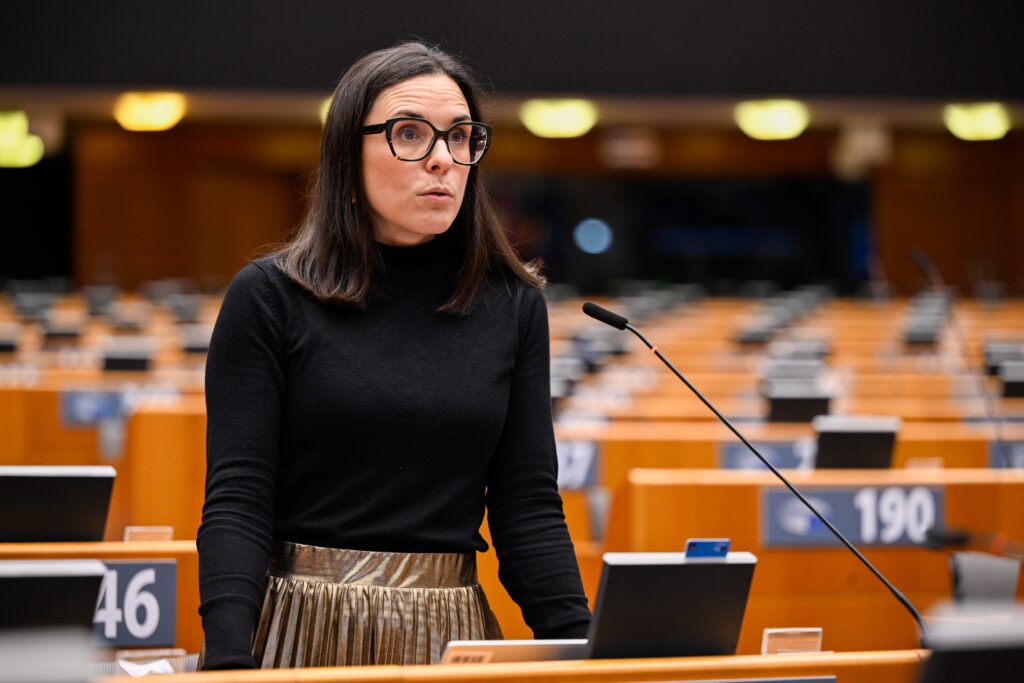
MEP Raquel García Hermida-van der Walle (Renew/NLD), who steered the file in Parliament as rapporteur, hailed the outcome. “Tonight we achieved a breakthrough for citizens expecting the EU to improve their lives, and the first significant step forward in years to strengthen the rule of law,” she said. “People and businesses will benefit from clearer, more consistent rules, regardless of where they are in our Union. Parliament entered these negotiations with ambition and got a win for Europe—and we will be prepared to go further when the member states are ready to take the next steps.”
You might be interested

A sharper toolkit
The directive springs from an anti-corruption package the Commission unveiled in May 2023. Because corruption sits on the treaty list of “particularly serious crime with a cross-border dimension”, Brussels may set minimum standards for offences and penalties. The draft ordered states to create specialist watchdogs and to punish legal as well as natural persons. Critics in several national parliaments questioned subsidiarity and proportionality.
MEPs toughened the proposal, broadening the roster of “persons of interest” to anyone “entrusted with tasks of public interest”. They insisted that EU officials—commissioners, MEPs and the like—count as “high-level”. They demanded national strategies and gave more detail on sanctions, victims’ rights and compensation. The civil-liberties committee backed the text in January 2024; plenary authorised talks a month later.
Governments dug in on three points: mandatory data collection, national strategies and whether to outlaw “abuse of functions”—a catch-all offence that some feared might overreach. Under the Danish Council presidency negotiators logged several trilogues before bridging the gaps this week. The final compromise leaves capitals free to stiffen penalties and keeps the offence list broad, including abuse of function, while providing definitions meant to survive constitutional lawyers’ scrutiny.
High drama in Bruges
Even as lawmakers congratulated themselves, Belgian police raided the College of Europe in Bruges, the European External Action Service in Brussels and the homes of Ms Mogherini, the college’s rector, and two senior officials. After questioning, the trio were charged with procurement fraud, corruption, conflict of interest and violation of professional secrecy relating to a nine-month training scheme for junior diplomats.
Prosecutors suspect that a leak of confidential tender information found its way to the college before it won the €EU-funded contract. All three were released pending investigation.
The timing underlines why officials want tougher, clearer law. The case also tests the very machinery the directive seeks to fortify. The EPPO, which brought the charges, will rely on national courts; under the new directive those courts should soon share data and follow harmonised definitions. Should the allegations lead to convictions, Brussels can claim that its system catches even its own.
Closing loopholes
One innovation in the directive is public data. Annual, accessible statistics should make it harder for offenders to exploit gaps between legal systems—long a bane of investigators. A business that bribes an official in one state and launders proceeds in another will face uniform rules and stiffer cross-border co-operation.
Another novelty is liability of legal persons, mirroring corporate-crime regimes elsewhere. Firms found guilty could face exclusion from public tenders, confiscation of assets and court-appointed monitors. That matters in sectors such as construction or defence, where public contracts abound and graft thrives.
Tonight we achieved a breakthrough for citizens expecting the EU to improve their lives, and the first significant step forward in years to strengthen the rule of law. — MEP Raquel García Hermida-van der Walle (Renew/NLD)
The directive also nods to public pressure. According to Eurobarometer, 69 % of Europeans believe corruption is rife, while two-thirds think high-profile cases go unpunished. The Mogherini affair will likely harden such views. By demanding national strategies drafted with activists, MEPs hope to spur scrutiny from below rather than leave policing to elites alone.
Hurdles abound
The provisional deal now returns to the Parliament’s civil-liberties committee and to ambassadors in Coreper before formal votes. Implementation will then fall to justice ministries already juggling cyber-crime, money-laundering and sanctions evasion. Some capitals may bridle at the workload or at Brussels’s intrusion. Yet the spectacle of a former EU foreign-policy boss in the dock gives ministers scant room to plead that existing rules suffice.
For Ms García Hermida-van der Walle, the breakthrough sets a floor, not a ceiling. Parliament failed to secure everything it wanted—greater minimum sentences, tougher corporate fines—but the rapporteur senses momentum. Member states, she predicts, will accept bolder steps once the new regime beds in and voters demand more.
Lawmakers sometimes tout legislation as a “game-changer”. The phrase risks cliché. Still, this directive arrives when European trust in institutions wobbles, and when scandals—from Qatari cash for MEPs to alleged rigging of training tenders—dominate headlines. If the rules bite, crooks who once shopped for lenient jurisdictions will find options shrinking. And if they do not, Ms Mogherini’s courtroom drama will remind citizens whom to blame.