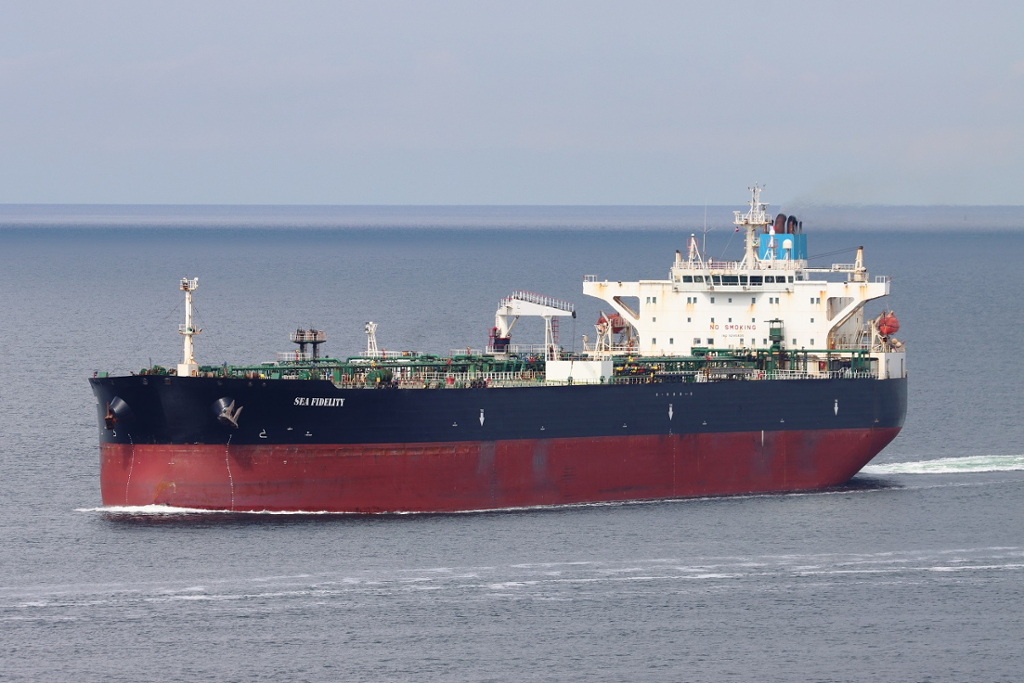

Five individuals and four entities responsible for supporting Russia’s shadow fleet and its value chain were sanctioned by the Council on Monday, 15 December. The listed individuals and companies control vessels transporting crude oil or petroleum products, originating in Russia or being exported from Russia. Sanctions were also imposed on individuals connected to Russia’s hybrid activities.
In case of the shadow fleet, the sanctioned entities are linked—directly or indirectly—to major Russian state-owned oil companies Rosneft and Lukoil. The shipping companies based in the United Arab Emirates, Vietnam and Russia own or manage tankers that are subject to restrictive measures imposed by the EU or by other countries for being part of Russia’s shadow fleet. The tankers transport crude oil or petroleum products while practicing irregular and high-risk shipping practices.
Those designated are subject to an asset freeze and EU citizens and companies are forbidden from making funds available to them. Individuals are additionally subject to a travel ban, which prevents them from entering or transiting through EU member states.
Russia earns significant revenues from oil exports, which it then uses to finance its aggressive war in Ukraine.
You might be interested
Foreign-policy analysts, influencers
The Council also decided to adopt restrictive measures against an additional twelve individuals and two entities, in light of Russia’s continued hybrid activities, including Foreign Information Manipulation and Interference (FIMI) and malicious cyber activities against the EU and its member states and partners.
The list of sanctioned individuals and entities include notable foreign-policy analysts embedded in institutions, think-tanks and universities closely linked to or affiliated with the Kremlin’s policy and messaging apparatus. Among them are also influencers promoting pro-Russian propaganda and conspiracy theories on Russia’s invasion of Ukraine, as well as anti-Ukraine and anti-NATO narratives. Some of these are Western European former military or police officers.
The Monday’s listings include members of the Russian Military Intelligence Agency GRU, unit 29155, as well as of cyber threat group Cadet Blizzard. They took part in cyber-attacks against government organisations in Ukraine and targeted EU member states and NATO allies to gain sensitive information and aiming to destabilise their political situation.