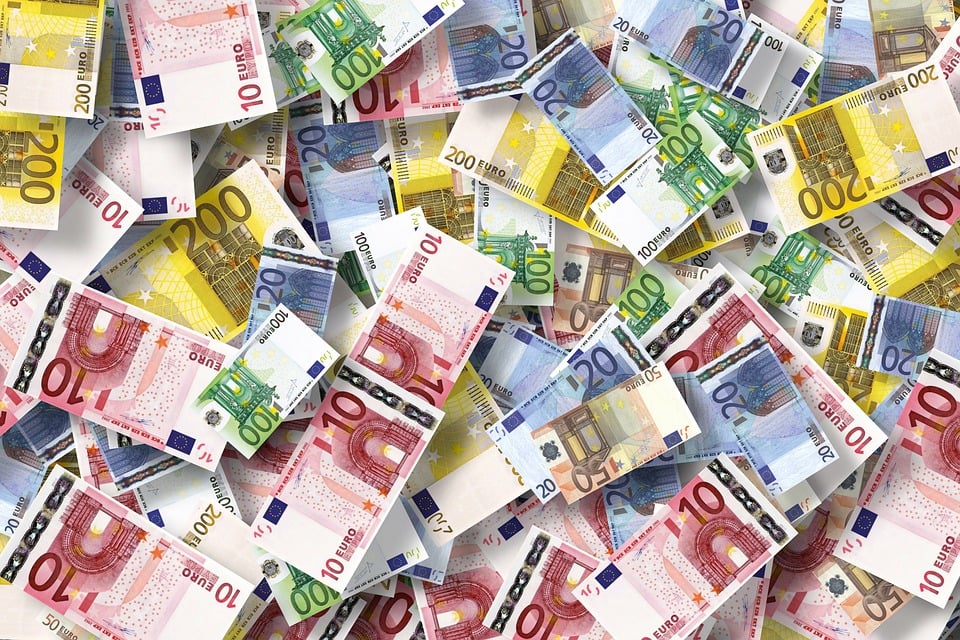

The economically weakest country in the European Union joins the eurozone as its 21st member on 1 January 2026. This is happening at a time when Bulgaria is experiencing one early election after another, the country is being repeatedly rocked by mass protests, and pro-Russian narratives are flourishing.
Nineteen years: that is how long it took between Bulgaria’s accession to the European Union (1 January 2007) and its adoption of the common European currency, the euro (1 January 2026). However, there are no plans for big celebrations, as this historic moment is overshadowed by long-term political instability and continued poor economic performance.
Step towards stronger economy?
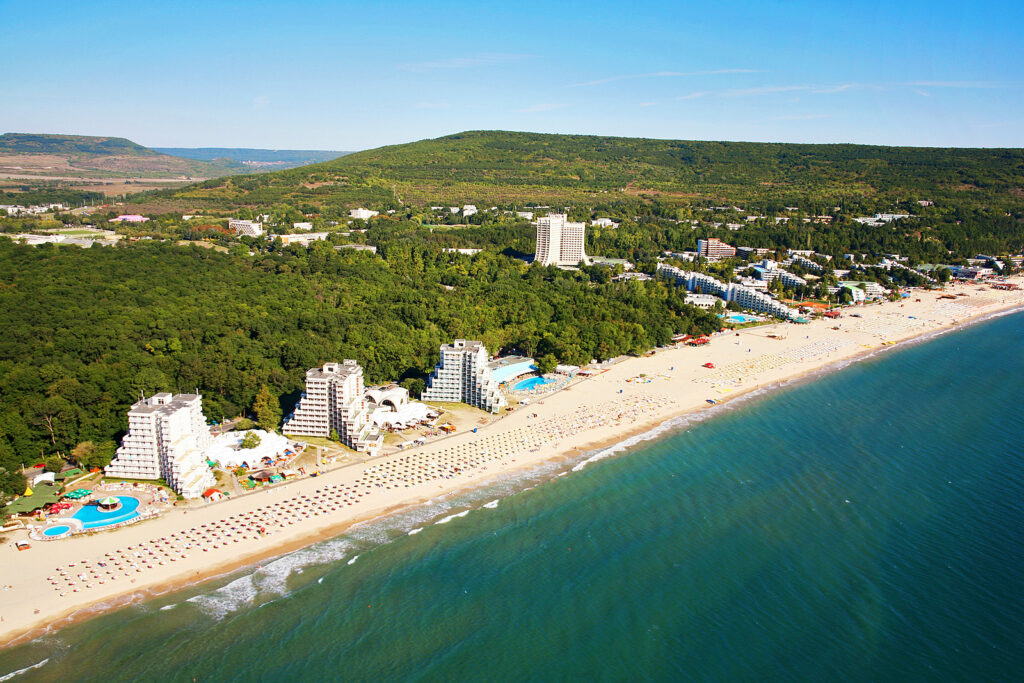
By joining the eurozone, Bulgaria will get the right to participate in decision-making on monetary policy in the eurozone. Companies will no longer have to bear transaction costs and exchange rate risks, and the adoption of the euro could boost inbound tourism, which is an important part of the Bulgarian economy.
Thanks to the euro, Bulgaria’s economy will become stronger, with more trade with euro area partners, foreign direct investment, access to finance, quality jobs and real incomes. – Ursula von der Leyen, Commission President
“Thanks to the euro, Bulgaria’s economy will become stronger, with more trade with euro area partners, foreign direct investment, access to finance, quality jobs and real incomes. And Bulgaria will take its rightful place in shaping the decisions at the heart of the euro area.” said Commission President Ursula von der Leyen shortly after Commission had concluded that Bulgaria is ready to adopt the euro.
However, miracles cannot be expected. Bulgaria will remain the economically weakest EU member for some time to come. According to Eurostat, despite steady growth in recent years, Bulgaria’s GDP per capita (measured by purchasing power parity) is now only about two-thirds of the EU average.
Elections after elections and Russia’s meddling
Since 2021, Bulgaria has organized a total of six early parliamentary elections, and that is not the end of the story. Following a series of street protests, which were among the largest in the country’s history, Prime Minister Rosen Zhelyazkov’s government resigned on December 11, 2025. Bulgaria is thus facing another vote in 2026.
The anger of most protesters during demonstrations organized in November/December was primarily directed at widespread corruption and nepotism. However, earlier during the year a different type of protests occurred throughout Bulgaria. The pro-Kremlin far right party Revival initiated several marches against Bulgaria’s adoption of the European single currency. Some demonstrations included vandalizing properties and led to clashes with police.
You might be interested
According to the Balkan Investigative Reporting Network’s analysis, the events showed that Bulgarian citizens are quite vulnerable to disinformation, especially those coming from Russia. This is probably also due to the relative cultural proximity of the two countries and the fact that a significant proportion of Bulgarians perceive Russia as a power that helped liberate Bulgaria from Ottoman Turkish rule in the 19th century. Thus, Russia is seen as an entity that significantly contributed to the creation of independent Bulgarian state.
Six more to go
Eurozone is a currency union of nation states that have adopted the euro as their primary currency and sole legal tender. Currently eurozone consists of 20 EU member states, with Bulgaria being the 21st.
Of the current EU-27, only six countries now remain outside the eurozone. That applies to two Scandinavian countries (Denmark, Sweden) and four Eastern European countries (Czechia, Hungary, Romania, and Slovakia). Denmark is the only country that have negotiated the right to opt out from participation in the eurozone under the Maastricht Treaty.
In Eastern European countries that still use their own currencies, the (non-)adoption of euro has become the subject of fierce political debate. Populist parties in particular have made the preservation of national currencies a matter of national pride, and a symbol of resistance against Brussels. Another frequent argument is that adopting the single currency would lead to consumer prices increase (although this has never been confirmed in previous cases). While the majority of population in Czechia, Hungary, Poland, and Romania is against adopting the euro, business representatives mostly support the single currency.