
Boosting innovation, productivity, sustainable growth, and economic security. These are among the core principles that should strengthen the EU’s digital sovereignty, according to member states’ ministers responsible for telecommunications. Ministers adopted Council conclusions on European competitiveness in the so-called digital decade.
The Council’s discussions were permeated by the idea that when it comes to security, Europe can not rely on anyone other than itself. This principle was also reflected in debates on competitiveness, digitalization, and cyberattacks.
Competitiveness in the digital age
Ministers adopted Council conclusions on European competitiveness in the so-called digital decade. According to the official release, digitalisation, data, and AI should be the key drivers for competitiveness. Innovation and uptake of digital technologies are another important points.
The Council’s conclusions reaffirm that boosting the EU’s global competitiveness while safeguarding fundamental rights and EU values remains a core strategic objective. Strengthening the EU’s digital sovereignty should be coherent, effective and bold, yet risk-based and open.
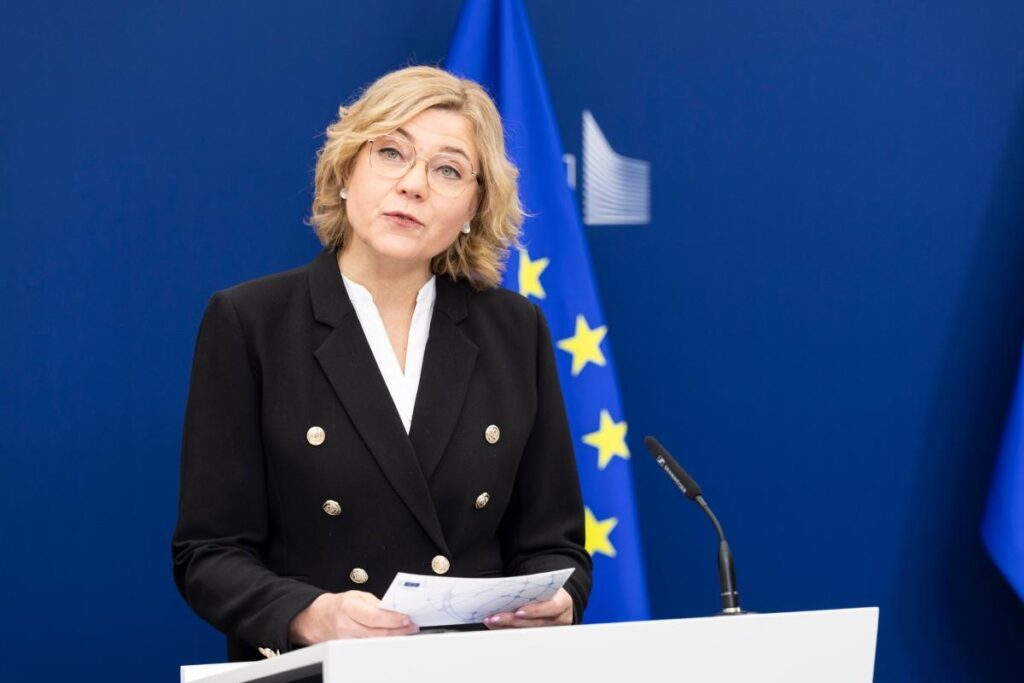
“These conclusions on digital decade are fully supported by the Commission,” assured Henna Virkkunen, Commissioner for Technological Sovereignty, Security and Democracy, during the press conference.
You might be interested

Cyberthreats are “growing in scale”
Much of the press conference held after the miniters’ meeting was devoted to the rising danger of various cyberthreats. “Cyberthreats are growing in scale and impact across the sectors and we must strengthen our combined resilience in the whole EU. That includes closer cooperation between civil sector and military,” said Torsten Schack Pedersen, Danish Minister of Resilience and Contingency. He also underlined that “Denmark has placed cybersecurity high on the agenda of the Council”.
Cyberthreats are growing in scale and impact across the sectors and we must strengthen our combined resilience in the whole EU. That includes closer cooperation between civil sector and military. – Torsten Schack Pedersen, Danish Minister of Resilience and Contingency
Earlier during the day, ministers exchanged views on how to incorporate cyber security in the further digital transformation, supporting the competitiveness of the Union, and how to build broader resilience against to cyberattacks and the impact they have on the daily life of citizens.
Enforcement of the Digital Services Act essential
Ministers held a discussion on the enforcement of the Digital Services Act (DSA) on online platforms and e-commerce.
Currently, the DSA sets out obligations for these very large online platforms, which include risk assessments or the vetting of vendors. However, these recent examples suggest that enforcement of the obligations under the DSA remains insufficiently effective. Ministers stressed the importance of ensuring that all online marketplaces comply with EU rules, especially concerning product safety, consumer protection and the sale of illicit goods.
The Council also highlighted that the current existing rules need to be fully implemented, with the DSA being the solid regulatory foundation. Stronger coordination between authorities and collaboration between member states are seen as crucial steps to tackle the challenges posed by online marketplaces.