
As Parliament on Wednesday 17 December prepared to vote on the European Union Deforestation Regulation (it would pass by 405 votes to 242 with 8 abstentions), we spoke to Fairtrade International’s EUDR programme lead Carmel Rawhani. She explained in her interview for EU Perspectives what the legislation aims to achieve, the challenges of implementation, and the real-world impact on producers worldwide.
Can you briefly explain what the EUDR aims to do?
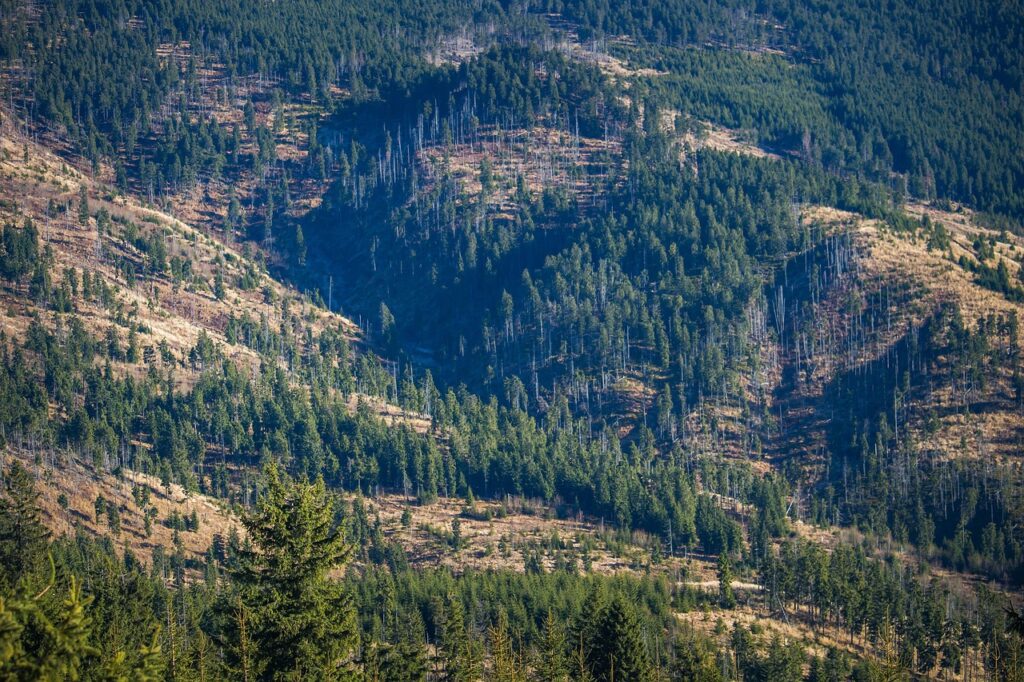
Primarily, the EUDR is an ambitious piece of legislation designed to tackle global climate change, biodiversity loss, and unethical deforestation. Its goal is to promote ethical, deforestation-free supply chains. Companies accessing the EU market will need to trace their supply chains all the way to the specific plot of land where raw materials are produced. The EU hopes that as one of the world’s largest consumer markets this will set a global standard for sustainable sourcing.
The regulation also addresses greenhouse gas emissions and biodiversity loss. It mainstreams traceability, turning transparency from a slogan into a concrete, measurable practice.
NGOs and the shifting policy landscape
Has the role of NGOs changed the policy landscape in this area?
We certainly hope so. At Fairtrade, one of our key efforts is through the Fairtrade Ambassador Programme, which create spaces for producers to speak for themselves, rather than having others speak on their behalf. We’ve seen these producers engage directly with the European Parliament, which is encouraging.
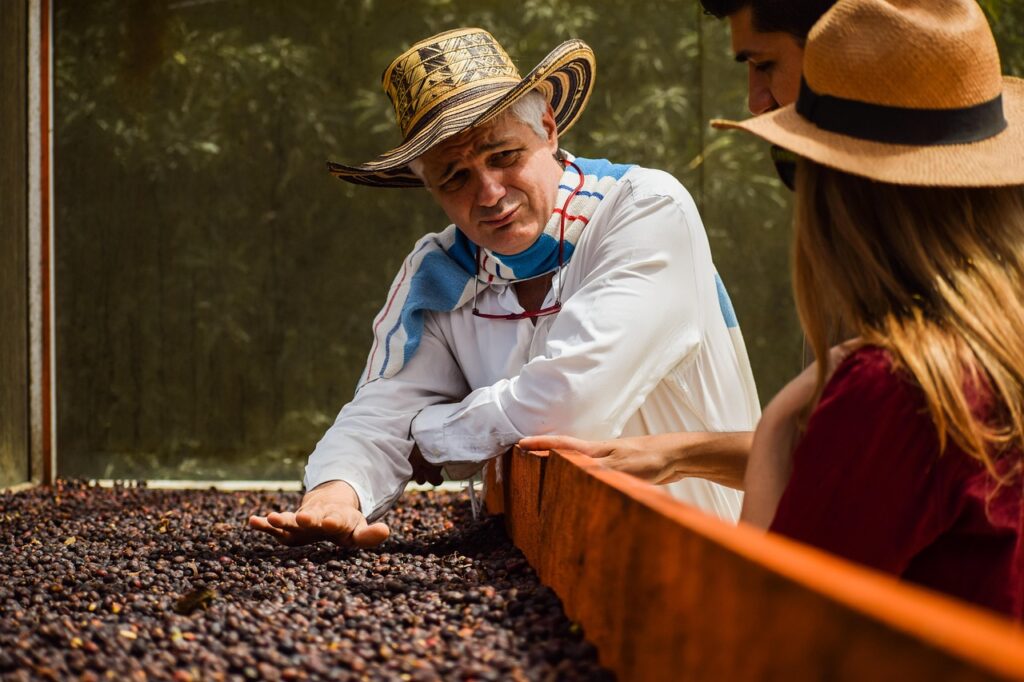
This shift reflects broader recognition that stakeholders beyond those with legal compliance obligations—such as smallholder farmers—should have a voice in policy-making. That’s a positive change and a move toward more direct participation from those affected by EU legislation.
Early inclusion of producers’ lived experience in policy discussions could make the EUDR much more workable and effective. — Carmel Rawhani, Fairtrade International EUDR Programme Lead
Do you think the EUDR can have a meaningful impact, rather than just symbolic effect?
Absolutely. If implemented properly, it’s far from cosmetic. It’s designed to drive real change, although the future will depend on how simplifications and political debates play out in Parliament.
Political challenges and risks
What hurdles do you see with the current divisions in the European Parliament?
We’re seeing partisan divisions that could shape two very different futures. If the EUDR remains meaningful, it could pave the way for broader environmental commitments. But if political divisions weaken it, short-term profitability could take precedence over long-term sustainability and fairness.
Is there a danger that the EU might compromise standards for high-risk commodities to secure trade deals? Mercosur, Indonesia, West Africa, not least give how much Trump tariffs have upended the old order?
Yes, that’s a concern. Risk benchmarking has already opened doors for potential deregulation, which is worrying because it shifts focus from science to politics. We hope upcoming discussions reinforce timelines that provide clarity and maintain strong protections rather than weakening them.
You might be interested
Are there areas or commodities that remain particularly high-risk?
Without naming countries, it’s concerning that some deforestation hotspots are classified as standard risk rather than high risk. This politicised approach undermines the EUDR’s potential and opens it to unnecessary critique.
Does it make sense that imported commodities should meet the same standards as European producers?
Absolutely. Standardisation is logical, but lack of clarity in the rules has sometimes been used to weaken the legislation rather than support compliance.
Implementation challenges for companies
How does the EUDR affect companies of different sizes, especially SMEs?
SMEs make up around 90 per cent of operators importing under the EUDR. They face uncertainty about whether the regulation applies to them and how to comply. They often lack the resources of larger companies, and compliance costs can be passed down the supply chain.
Even with guidance and simplifications, constant shifts and debates do add to the burden. While upcoming changes may ease administrative loads, smaller firms still struggle to keep up. Funding and support—like a grant that Fairtrade was awarded from the EU for the “LIFE FAIRTHRIVE: Empowering Businesses to Thrive Fairly Under the EUDR,” project, which will help bridge these gaps, providing training and resources to SMEs.
While legislation debates happen in Brussels, the day-to-day realities of smallholders show the stakes in sharp relief.
What challenges do producers themselves face in implementing the EUDR?
The difficulties are highly practical. For example, a coffee cooperative we work with in Colombia, Red Ecolsierra, has 250 members. Terrain can be steep and hard to map, GPS technology and drones are expensive, and there’s a gap in financial support.
There are many small, day-to-day hurdles that are hard to generalise but hugely impactful. Supporting producers with resources, training, and amplified voices is key to ensuring the legislation works in practice.
How are these costs and responsibilities shared?
It’s a mix. Some regions or industries pool resources, some countries provide funding, and third-party certification can help by creating opportunities for producers to build skills and capacities that allow them to take ownership of and benefit from the process of regulatory compliance readiness. But political will and early engagement are critical. Monitoring and transparency from industry and NGOs can bridge the gaps and make sure compliance responsibilities are met without overburdening producers.
Delays, simplifications, and the stakes
Do delays in implementing the EUDR that we have seen help or hurt?
Delays that open the door to deregulation are harmful. Time spent clarifying rules and strengthening monitoring and transparency is immensely beneficial to all of the EUDR’s stakeholders, but when delays they reduce protections for the forests on which supply chain sustainability depends, or divert resources away from producers, that’s a real concern.
Is there anything else important that’s often overlooked in policy discussions?
Yes, the human element. Smallholder farmers are the ones living the impact of these policies. They care about protecting forests because it’s their livelihood. Early inclusion of producers’ lived experience in policy discussions could make the EUDR much more workable and effective.
The bottom line
For Fairtrade and other NGOs, the EUDR is more than legislation on paper—it’s about people and ecosystems. Ms Rawhani emphasises that meaningful implementation requires clarity, resources, and the voices of producers themselves. Without these, even ambitious protections risk being undermined, and the EU’s promise of ethical, deforestation-free supply chains could fall short.