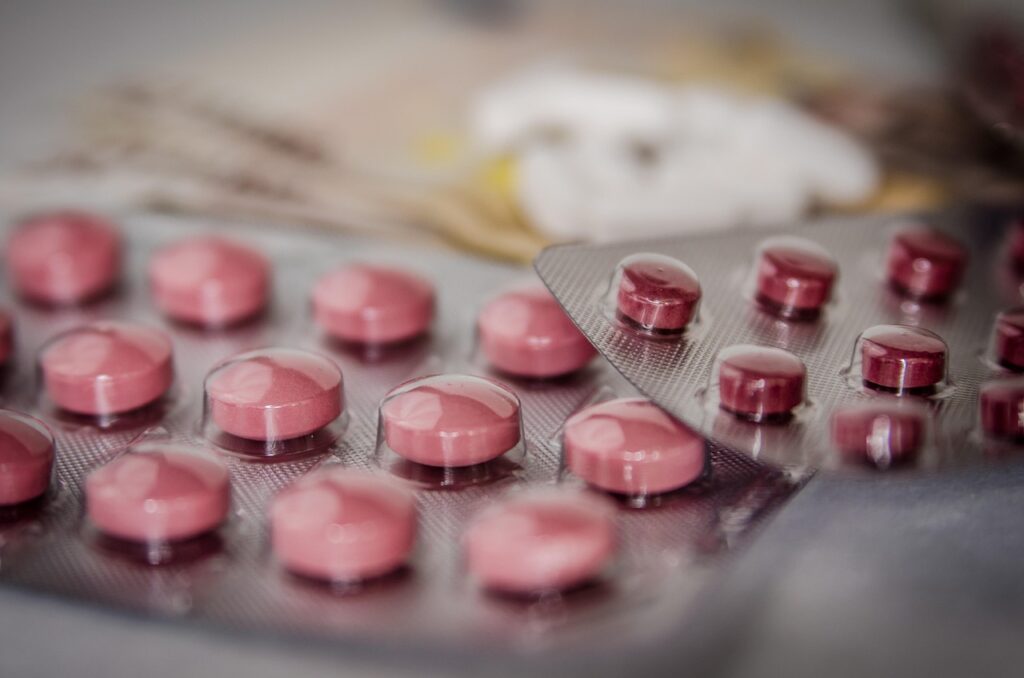

Geopolitical tensions, resurgent protectionism and pressure from the United States could push up medicine prices for millions of European patients. Yet the European Union is not defenceless, insists Health Commissioner Olivér Várhelyi.
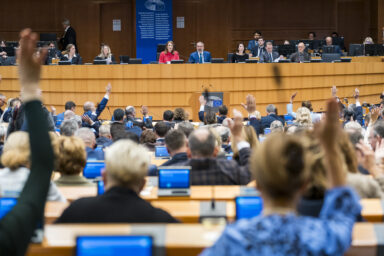
A debate in the European Parliament on geopolitics and health showed rare harmony across party lines. MEPs agreed that pharmaceuticals are strategic and that Europe cannot remain dependent on imported drugs and active ingredients — especially when America is openly promoting its own interests and seeking to tilt global prices in its favour.
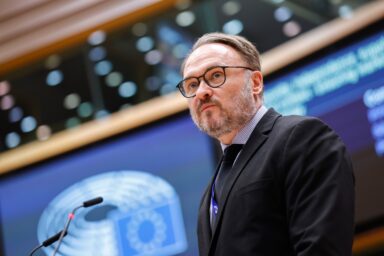
“We have a completely new situation here, a geopolitical situation where relations are very tense. And this, of course, also affects investment in the pharmaceutical sector,“ warned MEP Tomislav Sokol (EPP/HRV). He noted that roughly 75 per cent of active pharmaceutical ingredients are made outside the EU. “This makes us vulnerable, and our patients are equally vulnerable,“ Mr Sokol added.
‘The US pushes, Europe pays’
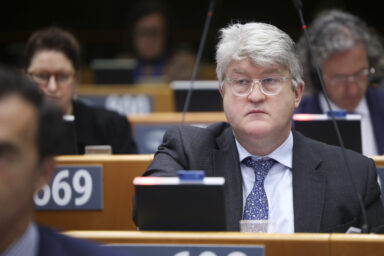
Spanish MEP Nicolás González Casares (S&D/ESP) was blunter. “Trump is standing at the door saying that prices in the United States are too high and that Europe is to blame. And we will pay for it,“ he said. Whereas American prices are largely set by the market, Europe relies on collective bargaining.
“Trump can impose sanctions, he can restrict vaccinations in the United States and then measles will spread further because of it, he can ban whatever he wants, but he will not set prices here, because here, where Europe begins, Trump ends, “ Mr Casares insisted. Europe, he concluded, must defend its interests more forcefully: “No one will force us to pay more for medicines just to satisfy our American partner. “
You might be interested
MEPs fear that American protectionism—through price pressure, relocation of production or trade barriers—could prompt firms to rewrite European price tags because of reference-pricing systems, leading to higher costs or limited supplies.
Risks for European patients
Access is already uneven. Innovative drugs reach Eastern and Southern Europe later than the richer North and West. “We should not have first- and second-class patients in Europe,“ said Mr Sokol, urging the EU to bolster domestic production capacities as “the right response to the level of protectionism coming from Washington“.
MEP Marie-Luce Brasier-Clain (PfE/FRA) echoed the warning. “The aggressive American strategy … makes access to medicines in our territory more difficult, “ she said, adding that it also leaves Europe “at the mercy of Chinese production“. Relocation of European firms to the United States, she argued, weakens the Union’s security just as in other strategic sectors.
We should not have first- and second-class patients in Europe. — MEP Tomislav Sokol (EPP/HRV)
Commissioner Várhelyi said Brussels is aware of the risks. Hence the planned Critical Medicines Act, designed to cut dependence on third countries and bring production of key medicines back to Europe. “The Critical Medicines Act will reduce our vulnerability in global supply chains,“ Mr Várhelyi said. The final legislative proposal should be ready in the first quarter of next year; it will include incentives for European firms to invest at home rather than abroad.
‘Let’s not be mere servants’
He also highlighted a forthcoming Biotechnology Act aimed at boosting Europe’s competitiveness by simplifying rules, accelerating development and drawing investment. “We must proceed in such a way that innovations reach people faster and in an even simpler way,“ Mr Várhelyi argued.
“The production of medicines is absolutely essential for the European Union to survive. We should therefore prioritise our own interests and not just serve someone else,“ summed up Mr Sokol. For many MEPs the core question is whether European patients will end up paying a higher price for global power politics in the years ahead.