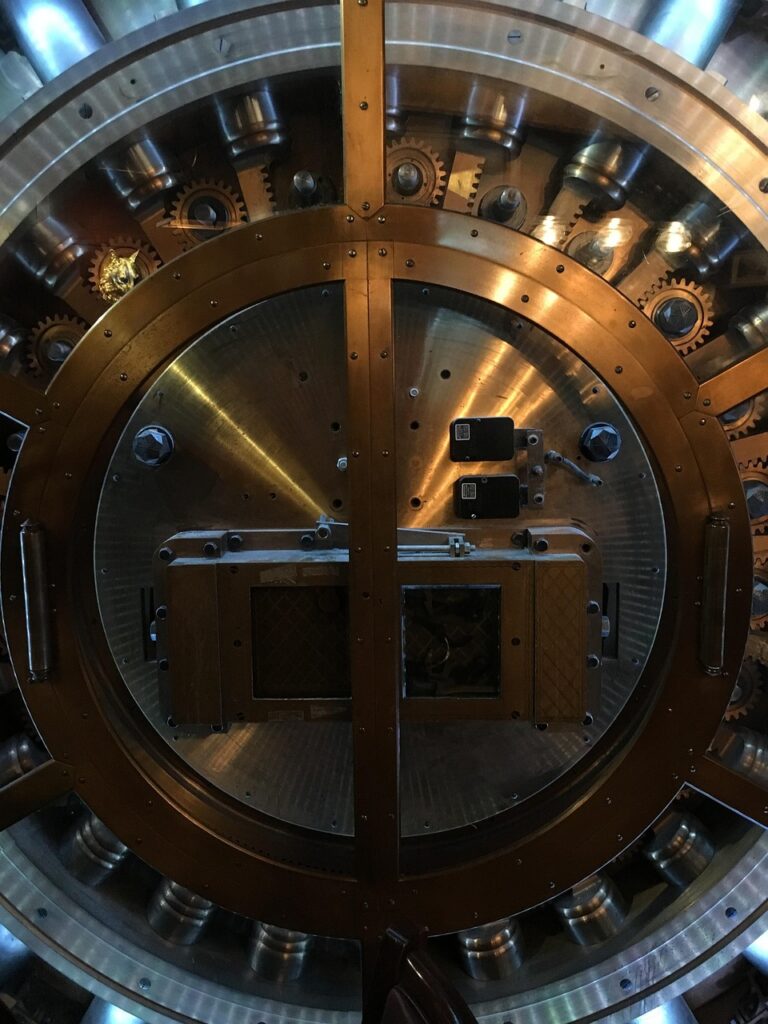

The European Union has opted to use emergency powers to lock up frozen Russian assets held in Europe. It did so to freeze them indefinitely as opposed to a ‘refreeze’ every six months by unanimous agreement of all EU member states. According to AFP, some €210bn in Russian state funds will only be released once Russia ends its war against Ukraine. Plus provides compensation for almost four years of mayhem and destruction.
The decision comes just before a key summit next week, where EU leaders will need to determine how to allocate the frozen funds while remaining within EU legal rules. The bloc plans to allocate roughly €90bn to support Ukraine over the next two years, down from an initial estimate of €140bn. Most of the assets—more than €190bn—are held in Belgium through the Euroclear financial clearing house.
EU must protect its interests
Friday’s anticipated decision is reportedly based on EU treaty provisions that allow the bloc to protect its economic interests in urgent situations, enabling it to bypass opposition from Hungary and Slovakia. The plan would rely on these treaty provisions to ensure that no single member state could block the use of the frozen assets, even as Hungary and Slovakia continue to oppose the measure.
Hungary has criticized the approach as an overreach that undermines European legal norms, while Slovakia has warned that allocating funds for military purposes could complicate broader international peace efforts. EU officials argue, however, that the measure is necessary to safeguard economic stability and continue providing financial support to Ukraine.
The damage done
The war has already imposed substantial costs on European economies, from higher energy prices to slower growth, highlighting the urgency of finding ways to support Ukraine without destabilizing the EU. By formally locking the assets, the Commission ensures they cannot be used without collective approval, signalling a more assertive EU role in shaping post-war recovery and financial oversight.
The move also highlights ongoing tensions in the EU between the priorities of individual member states and the bloc’s collective decision-making. While some countries prioritise legal and diplomatic caution, others emphasise the strategic importance of using all available tools to support Ukraine and maintain pressure on Russia. The outcome of the upcoming summit could set a significant precedent for how Europe manages frozen foreign assets in future conflicts. On Friday, even before a decision was taken, Russia’s central bank announced it would sue Euroclear over the planned move.
You might be interested
This story has been updated.