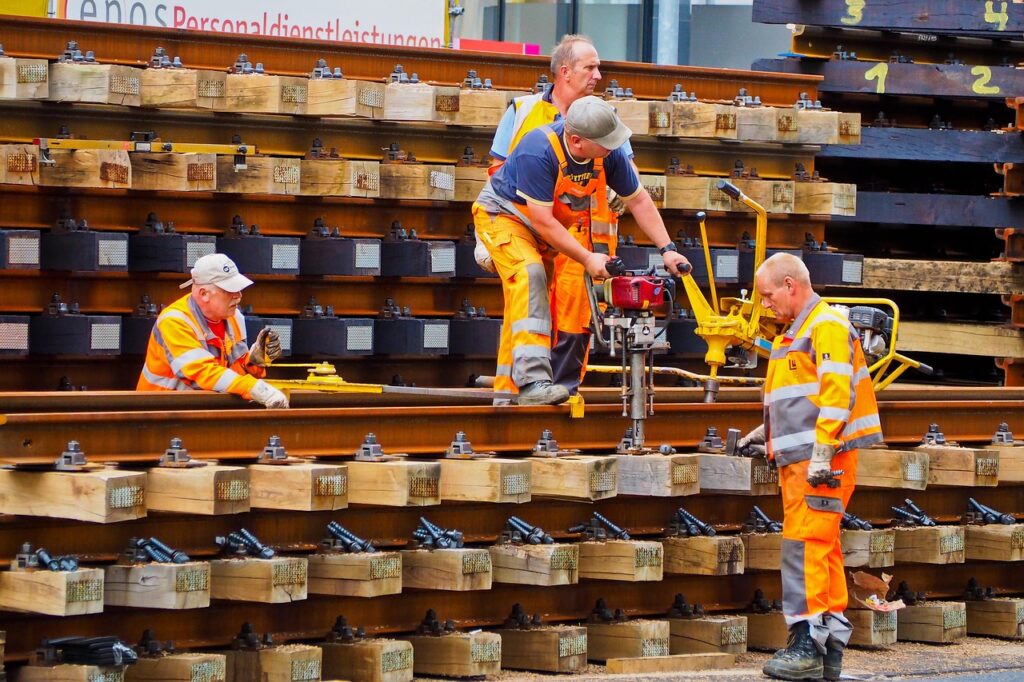

Europe is looking to the future—this time on steel, electricity, and transport corridors. On 15 December, Council adopted a partial negotiating mandate for the Connecting Europe Facility, the EU’s flagship programme funding cross border transport and energy infrastructure from 2028 to 2034 under the new MFF. While the full budget is still under negotiation, the council agreed on the rules for how projects will be selected and managed—a first step towards shaping the continent’s strategic backbone for the next decade.
Denmark’s Minister for Energy, Climate and Utilities, Lars Aagaard, described the decision as providing “the framework for new investments in Europe’s energy infrastructure,” and emphasised that it would support cross border projects and ensure that no member state was left alone and isolated. In the transport sphere, Thomas Danielsen, Denmark’s Minister for Transport, highlighted that the Connecting Europe Facility (CEF III) has been instrumental in building the Trans European Transport Network (TEN-T). He noted that the council’s compromise will help create a network that is “smart, safe, resilient, interoperable, and sustainable,” with particular attention to dual use military mobility. That term refers to infrastructure that supports both civilian use and military movement, not only in times of crisis but also during regular exercises and training. There is no time, even in peace, that efficient and capable transport corridors are not vital for readiness across the EU.
Strategic and dual-use
The war in Ukraine, however, rapidly dragged the EU into a brand, new world and put logistics in high relief. Roads, railways, and energy grids are no longer just economic tools but strategic assets. CEF’s framework now explicitly prioritises dual use transport corridors, which can serve both civilian traffic and military logistics, reflecting broader geopolitical realities.
Russia’s full-scale aggression against Ukraine in 2022 prompted the EU to accelerate efforts to adapt transport corridors, and the Union now defines military mobility as a key priority under its broader defence readiness plans. Official strategy documents identify dual use infrastructure as a critical enabler for achieving defence readiness by 2030. Energy interconnections, meanwhile, reduce isolation, stabilise prices, and facilitate the integration of renewable power, strengthening Europe’s resilience to both geopolitical shocks and market volatility.
Boost in funding, climate ready
Under the Commission’s proposal for the 2028–2034 MFF, CEF III could see funding rise to around 81.4bn—up from 33.71bn in the 2021–2027 period—with more than 50bn earmarked for transport and nearly 30bn for energy infrastructure. Compared with the current programme, this represents a substantial increase in support for cross border networks and dual use projects. The programme will continue to fund Projects of Common Interest (PCIs) and Projects of Mutual Interest (PMIs), which link national energy grids across borders and extend to neighbouring non EU countries, supporting renewable integration, market cohesion, and security of supply.
On the transport side, the council has signalled that it will strengthen the envelope for military mobility, reflecting that even in peacetime, roads, railways, and ports must accommodate military exercises, equipment movement, and preparedness, not just emergency deployments. These measures demonstrate the EU’s ambition to target CEF investments strategically, ensure they remain environmentally sustainable, and build resilient infrastructure that supports Europe’s connectivity, security, and green transition for the coming decade.
You might be interested
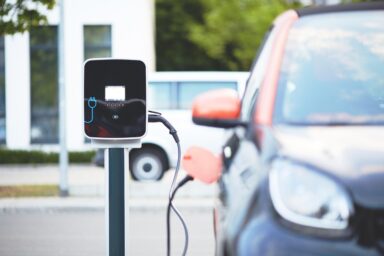
The council emphasises the environment and climate by requiring that cross border renewable energy projects remain cost effective, system integrated, and aligned with EU decarbonisation goals. Past CEF investments, from rail electrification to sustainable port upgrades, show that infrastructure can serve both climate and mobility objectives. NGOs such as Transport & Environment (T&E) have urged Europe to use CEF to accelerate decarbonisation and green energy integration.
Regional cohesion and economic competitiveness
Economics and regional cohesion are just as critical. By connecting remote areas, rural regions, and islands, CEF III ensures that the benefits of infrastructure reach beyond major capitals and industrial hubs. Efficient transport networks should, in the future, lower costs for businesses, speed up supply chains, and reinforce the EU’s single market, while investments in energy and digital grids support local economies and job creation. The International Union for Road Rail (UIRR) and the International Road Transport Union (IRU) have highlighted the importance of robust cross border networks, both for commercial logistics and emergency mobility, stressing that dual use corridors enhance resilience across the EU.
The council’s partial mandate strengthens the role of member states in project selection and programming, expanding the list of cross border transport projects of common interest while respecting national sovereignty. In energy, it clarifies objectives to enhance system resilience, integrate renewable energy, and protect critical infrastructure from cyber and hybrid threats. The text also emphasises completing the Energy Union, removing bottlenecks, and ending energy isolation, making the grid more interconnected and future ready.
Geopolitical reality: the war threatens not just Ukraine but EU
CEF III’s geopolitical dimension is particularly evident in countries neighbouring Ukraine. Already, funding has supported rail upgrades and energy connections to Poland, Slovakia, Hungary, and Romania, illustrating how EU infrastructure policy can reinforce both economic integration and strategic solidarity in neighbouring countries affected by conflict. Europe’s infrastructure strategy is no longer just about efficiency — it is a tool of resilience and support.
At the same time, Europe is watching how CEF III interacts with broader EU priorities. The programme touches on climate, security, innovation, and regional development all at once. Digital systems, smart grids, and advanced monitoring technologies are expected to play an increasing role, ensuring that transport and energy networks are not only more efficient but also more adaptable to future challenges. This is infrastructure that must last decades while remaining flexible to changing geopolitical, technological, and environmental realities.
Next steps and Parliament negotiations
Negotiations with the European Parliament will begin soon and the final budget and project list will depend on interinstitutional discussions, but Monday’s Council decision sets a forward looking trajectory. It signals that Europe sees strategic infrastructure as central to economic competitiveness, climate action, and geopolitical resilience — investments that will define the continent’s connectivity and energy security for years to come.
CEF III, in short, is a forward looking investment in Europe’s future, linking funding to the continent’s strategic priorities and ensuring that infrastructure plays a central role in addressing Europe’s most pressing challenges — from climate change and energy security to regional cohesion and cross border solidarity.