
Preliminary results of the parliamentary elections in Kosovo have brought success to the Vetëvendosje party of current Prime Minister Albin Kurti. The small Balkan country could soon see an influx of money from the EU, but its membership in the Union is still hampered by unresolved relations with Serbia and the unwillingness of some member states to recognize Kosovo as a sovereign state.
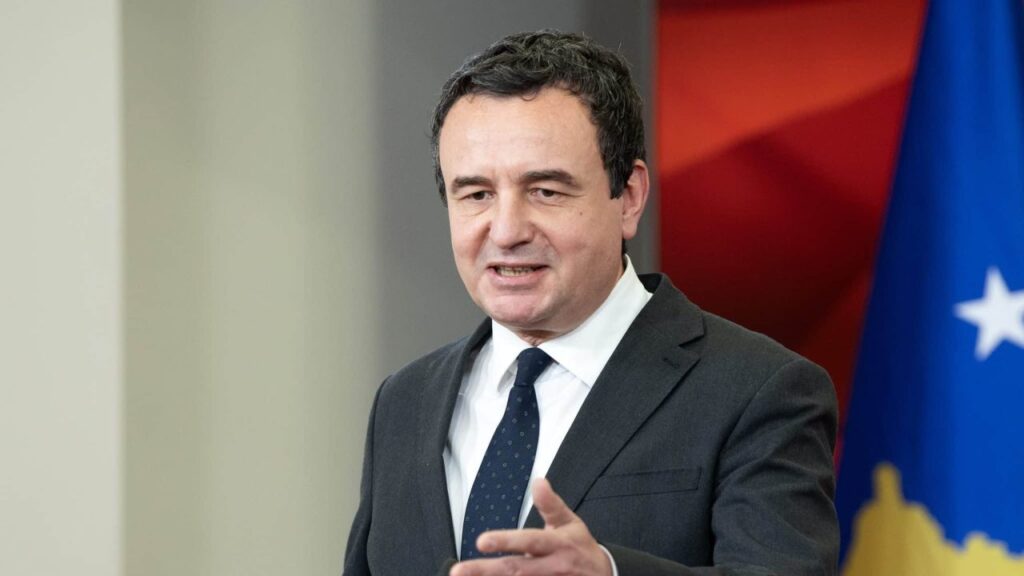
The face of Kosovo’s caretaker Prime Minister Albin Kurti showed relief and joy after the announcement of the first estimates of the parliamentary elections held on Sunday, 28 December. According to preliminary results—not yet officially confirmed—Kurti’s party Vetëvendosje (Self-Determination Movement) won almost 50 percent of the votes.
Today’s result made it clear to us that we have to move ahead without delays. – Albin Kurti, Prime Minister of Kosovo
“A lot of work is ahead of us. Today’s result made it clear to us that we have to move ahead without delays. Institutions will be created as soon as the election results are certified,” Albin Kurti said during his first appearance before the media after the polls closed.
End of deadlock, influx of money?
Kurti’s Vetëvendosje party had won previous elections held in February 2025, but without a majority, and Kosovo has been without a functioning government since then. Preliminary results of the December elections will probably not be enough for Mr Kurti to govern without coalition partners. But Prime Minister should not have difficulties to find support among the MPs from the ethnic minority parties. These are are guaranteed 20 of the 120 seats in the Kosovo’s National Assembly.
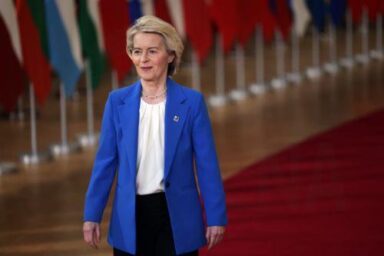
Hopes for a better future for Kosovo were also bolstered by a surprising statement from European Commission President Ursula von der Leyen made just before Christmas. Ms von der Leyen surprisingly announced the programming of €216m in financial assistance for Kosovo and the intention to release additional €205m “early next year” (i. e. in early 2026). The Commission President’s statement was made despite the opposition of some member states and some segments of EU institutions.
Ms von der Leyen emphasised that the decision to lift the EU’s punitive measures against Kosovo is closely tied to the peaceful transfer of local governance in northern Kosovo. Following the local elections on 12 October, newly appointed mayors took over from their Albanian predecessors in the Serb-majority municipalities. The measures have been in place for two and a half years and Kososvo lost some €600m—big money for a small and poor country.
Kosovo is a potential candidate for EU membership, but not yet an official candidate country. The EU provides substantial support, but political issues—including recent measures against Kosovo’s government—delay formal candidate status.
You might be interested
Small country, big troubles
The small country in the western Balkans, with a population of just 1.8 million, is one of the most troubled parts of Europe. Kosovo, inhabited mainly by ethnic Albanians, broke away from Serbia in the late 1990s, and its parliament declared independence in February 2008. However, only 110 countries, just over half of the UN member states, have recognized Kosovo as an independent state so far.
Five EU member states (Cyprus, Greece, Romania, Slovakia, and Spain) are among those that do not recognize Kosovo. Another problem is the tense relationship with Serbia, which also does not recognize Kosovo and accuses the government in Pristina of oppressing the Serbian ethnic minority. Ethnic Serbs inhabit a small contiguous area in northern Kosovo and make up about 3 percent of the country’s population.
Kosovo’s politics have been marked by high instability from the very beginning as parties have been unable to agree on cooperation. The country is one of the poorest in Europe and suffers from high emigration, especially among young people, who are leaving en masse in search of a better life, mainly in Western Europe.