
The Council and the European Parliament have moved to increase patients’ access to medicines and make the EU’s pharmaceutical sector fairer. Their agreement on pharmaceutical legislation overhaul seeks to set the new rules, introducing more competitiveness into the sector.
The package represents a far-reaching reform of the EU’s pharmaceutical legislation. It aims to ensure fair access to safe, effective and affordable medicines across the Union. In addition, the reform seeks to boost competitiveness by cutting regulatory burdens and strengthening security of supply. These measures aim to prevent shortages -— and to manage those that cannot be prevented.
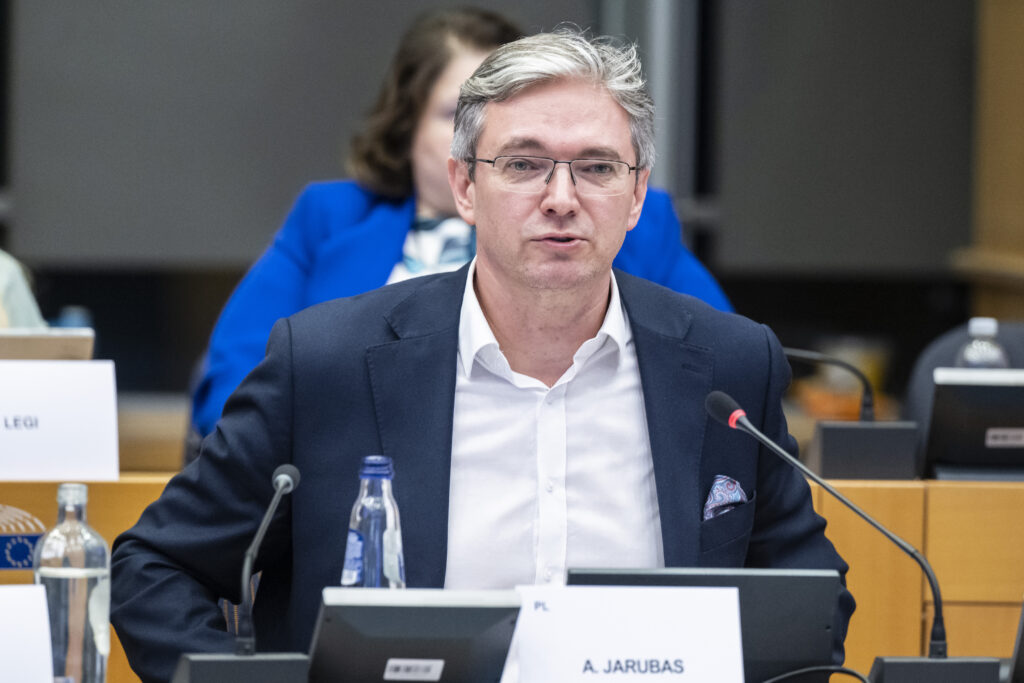
MEP Adam Jarubas (EPP/POL), Chair of the Parliament’s Public Health Committee, said the reform meets several urgent expectations. “We need new, innovative therapies for unmet medical needs, for conditions currently without treatment, rare diseases, paediatric medicines, new antibiotics. We need equal access to medicines in all Member States, without delays… But equally importantly, we need medicines we can afford.” He said the final text “achieves a balance” in the largest revision of EU pharmaceutical rules in two decades.
The Danes strike a deal
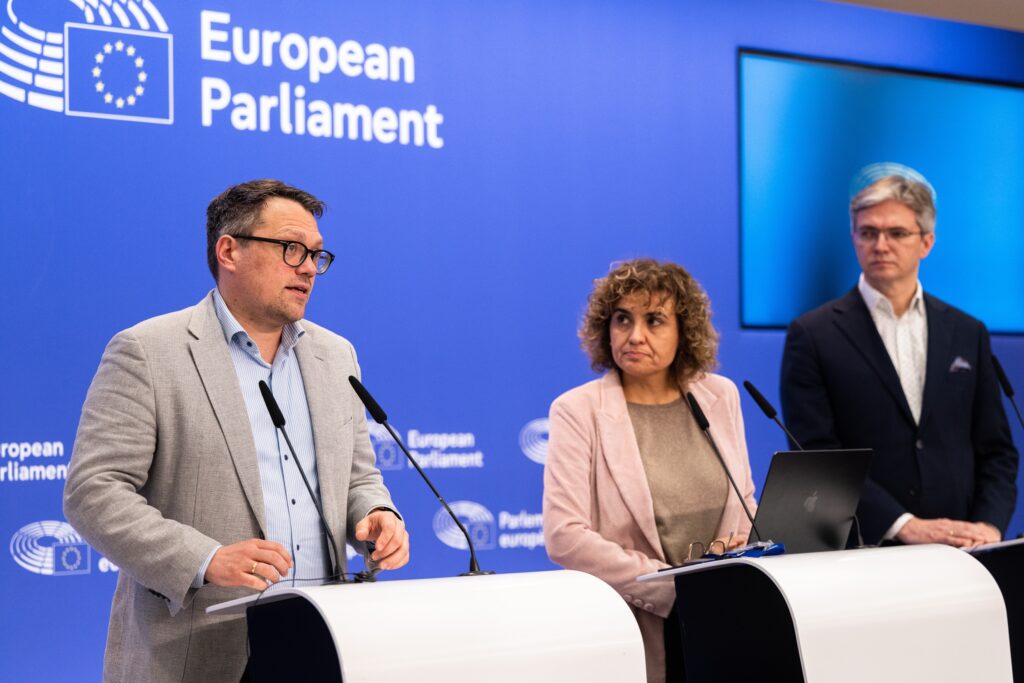
Speaking at a Thursday morning press conference after the all-night talks, Mr Jarubas also drew attention to the role of national leadership in unblocking the file. He noted that Parliament had been ready since April 2024 but could not begin talks. “Only Poland managed to prepare the Council, something that four previous presidencies did not manage to achieve,” he told reporters. He argued that it was his fellow Poles’ work what enabled the Danish Presidency to enter negotiations with Parliament and ultimately reach the deal.
He also underlined that facing shortages and unequal access was central to Parliament’s strategy, pointing to new obligations on companies and tighter monitoring as key wins in the final text.
You might be interested

Danish Minister for the Interior and Health Sophie Løhde welcomed the breakthrough. According to Ms Løhde, the deal reflects Europe’s ability to act decisively at a moment when both innovation and patient access are under pressure.
“I am pleased we have reached an agreement with the European Parliament on a new legislative framework for pharmaceuticals. The deal demonstrates the EU’s commitment to both innovation and to ensuring that patients in Europe have access to the medicines they need. We are strengthening incentives for priority antibiotics, reducing red tape for the life science industry, and safeguarding the availability of essential medicines. The package marks a crucial step towards making a more resilient and dynamic life science sector in Europe, and it shows that Europe is able to make the necessary decision to protect European interests.”
The political agreement concludes a long negotiation phase. Moreover, it is the first major revision of EU pharmaceutical legislation in 20 years.
Regulatory protection
Under the agreed text, companies placing a new medicine on the market will benefit from an eight-year data protection period and one additional year of market protection. In practice, this means generic or biosimilar competitors cannot enter the market during that time.
Parliament added several conditions that allow companies to gain extra protection, including incentives for new active substances, comparative trials and new therapeutic indications. The full protection period cannot exceed eleven years. Mr Jarubas highlighted this structure as essential for rewarding innovation while ensuring timely access to cheaper alternatives.
During the press conference, MEP Tiemo Wölken (S&D/DEU), rapporteur for the regulation, stressed that the final compromise reflects trade-offs between innovators and generics. “Generics lost some, but they also won some, and the same is for the innovative industry,” he told reporters. “I think we really struck the right balance.”
The package also introduces a new category for “breakthrough orphan medicinal products”. These products, which address diseases with no available treatments, may receive up to eleven years of exclusivity. MEP Dolors Montserrat (EPP/ESP), rapporteur for the directive, said this builds momentum for research in rare diseases and paediatric cancers. She noted that the directive “encourages investment in pharmaceutical innovation, especially in areas of unmet medical needs”, while still promoting fast entry of generics and biosimilars to support healthcare sustainability.
Early generic entry
The package updates the Bolar exemption. It allows manufacturers to conduct trials and studies needed to prepare generic or biosimilar products. As a result, lower-cost alternatives can enter the market on day one after exclusivity ends.
The Parliament clarified that Bolar now covers work needed for pricing and reimbursement decisions, HTAs and procurement tenders. According to Ms Montserrat, these updates help “promote the development and access to the market of generics and biosimilars”, which she links to long-term affordability.
Generics lost some, but they also won some, and the same is for the innovative industry. I think we really struck the right balance. — MEP Tiemo Wölken (S&D/DEU)
To promote innovation in priority antibiotics, the package introduces a transferable exclusivity voucher. The voucher grants companies one additional year of protection for a product of their choice. Parliament kept the “blockbuster clause”, which prevents the voucher from being used on products with high annual revenues.
Mr Wölken said this part of the agreement “paves the way to addressing critical challenges such as medicines shortages and antimicrobial resistance”. He added that the deal strengthens Europe’s resilience ahead of future crises and improves access to medicines while encouraging investment in unmet medical needs.
Modernised, simplified
Parliament also added several safeguards to promote careful use of antimicrobials. All antibiotics will require a prescription. Companies must provide additional patient information, include stewardship plans, and assess AMR-related risks as part of environmental evaluations. Ms Montserrat said these steps “tackle antimicrobial resistance, a major threat to public health”.

The agreement includes significant modernisation of the European Medicines Agency. Applications will move to a single electronic format, and authorisations will remain valid indefinitely unless safety concerns arise. The Commission may also create regulatory sandboxes for innovative therapies. Mr Wölken said these elements help create “a competitive regulatory framework” and support faster responses in health emergencies.
In the press conference, he emphasised that Parliament also secured a point that was “non-negotiable” for MEPs: full participation of patients and healthcare professionals in EMA committees, including their voting rights. “Voting rights are not a formality. They are a foundation of the inclusiveness that strengthens EMA’s credibility,” the German Socialist member said.
Availability of medicines
To ensure consistent access to critical medicines, the co-legislators kept Article 56a. It gives EU countries the power to require companies to supply protected medicines in quantities that meet patient needs. The negotiators added safeguards that clarify obligations for companies and member states and prevent parallel trade.
Parliament expanded these requirements by introducing shortage prevention plans for key medicines. EMA will also maintain an updated list of critical shortages across the EU. Mr Jarubas said addressing shortages was central to ensuring equal access across member states.
Speaking during the press conference, Mr Wölken acknowledged that Parliament did not secure everything it wanted. “For shortages, we would have preferred plans for all medicinal products. This was not possible, but we secured them for all prescription medicines,” he said.
(The updates) help promote the development and access to the market of generics and biosimilars. — MEP Dolors Montserrat (EPP/ESP)
Ms Montserrat also highlighted a further access tool aimed at smaller markets, explaining to journalists: “If a member state asks for a drug and the company does not bring it to the market, it will lose years of market protection in that country.” She argued this penalty would help avoid a ‘two-speed’ Europe where smaller states wait longer than larger ones.
Political reaction
Danish MEP Stine Bosse, who participated in the negotiations for Renew Europe, wrote on LinkedIn the agreement is essential for Europe’s long-term competitiveness. She said it is also crucial to ensure that patients across the EU benefit from the new framework.
“If we don’t want our life science industry to go the same way as the tech industry, which moved to the United States, we need to act fast. We have now secured a deal that strengthens competitiveness, ensures better access to medicines, and keeps Europe in the global lead. I allow myself to be proud of that,” Ms Bosse said.
The provisional agreement now awaits formal endorsement by both the Council of the European Union and the European Parliament. Once adopted, the legislation will take effect after its publication in the EU’s Official Journal. Parliament describes the outcome as an “early second reading agreement”, meaning the Council will adopt its position first, followed by Parliament’s confirmation.