
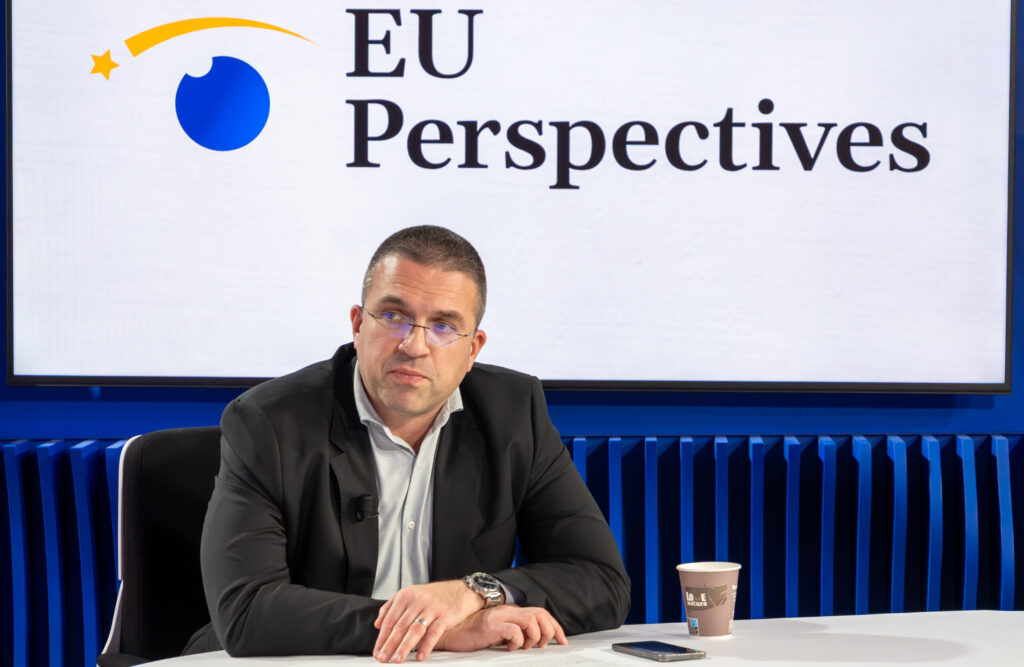
The EU is grappling with a surge in harmful behaviour — from addictions to the growing pressures of the digital world. Yet, its health systems are still built around treatment rather than prevention and harm reduction — leaving millions, especially young people, exposed to preventable risks, expert Ivan Duškov warns in the EU Perspectives podcast.
Two influential voices calling on Brussels to modernise its approach are Tomislav Sokol, a Croatian MEP from the EPP pushing for tougher EU health legislation, and Ivan Duškov, Deputy Director of Czechia’s General Health Insurance Company and member of the governmental mental health council. Both argue that EU health systems still rely on outdated assumptions about what drives health risks, focusing on treating illness long after it appears while overlooking the behavioral, social, and digital forces that trigger disease. Their message is blunt: unless the EU Europe adapts, the costs will continue to rise and young people will bear the brunt.
Overwhelming yet overlooked
Ivan Duškov says the overlap between mental-health problems and addiction is overwhelming, yet too often ignored in policy. “People who struggle with mental-health issues very often also struggle with addiction, whether it’s alcohol, smoking or other substances,” he explains. Czechia’s model treats these issues as interlinked, not separate: addiction services and mental-health care operate together, with social-policy ministries involved from the start. Mr Duškov argues that this integration is critical, and still missing in much of the EU.
He points to the EU’s Beating Cancer Plan and the forthcoming Cardiovascular Health Plan as key examples. Policies often focus on diagnosis and treatment, he says, but fail to address the behavioural risks that are interlinked and that drive the diseases in the first place. “Smoking, alcohol and poor diet are among the main causes of cancer and cardiovascular disease,” he notes. “But behavioural prevention and harm reduction of the root causes is largely missing from these documents.”
Supported by experts, controversial in Brussels
Harm reduction refers to practical measures that aim to reduce the negative consequences of risky or harmful behaviours, even when people cannot immediately stop those behaviours altogether. It encourages safer alternatives, earlier intervention and realistic support, rather than relying solely on abstinence or late-stage treatment.
Tomislav Sokol warns that harm reduction remains heavily contested in Brussels. “The European Commission is still very negative about harm reduction,” he says bluntly. Nicotine alternatives illustrate the dilemma: potentially helpful for smokers trying to quit, but dangerous when marketed to minors.“They can be useful for existing smokers,” Mr Sokol says, “but we must do everything we can to ensure they are not attractive, especially to young people, children and minors.”
You might be interested

Going beyond smoking and alcohol
Beyond traditional substances, MEP Sokol argues the next major battleground is digital harm, particularly for young people. He accuses some platforms of deliberately designing features to hook children. “They create addictive content on purpose to lure minors in, detach them from reality, and turn a profit. That is completely unacceptable.” New EU rules, potentially through a forthcoming Digital Fairness Act, should directly target manipulative digital design, especially when aimed at adolescents.
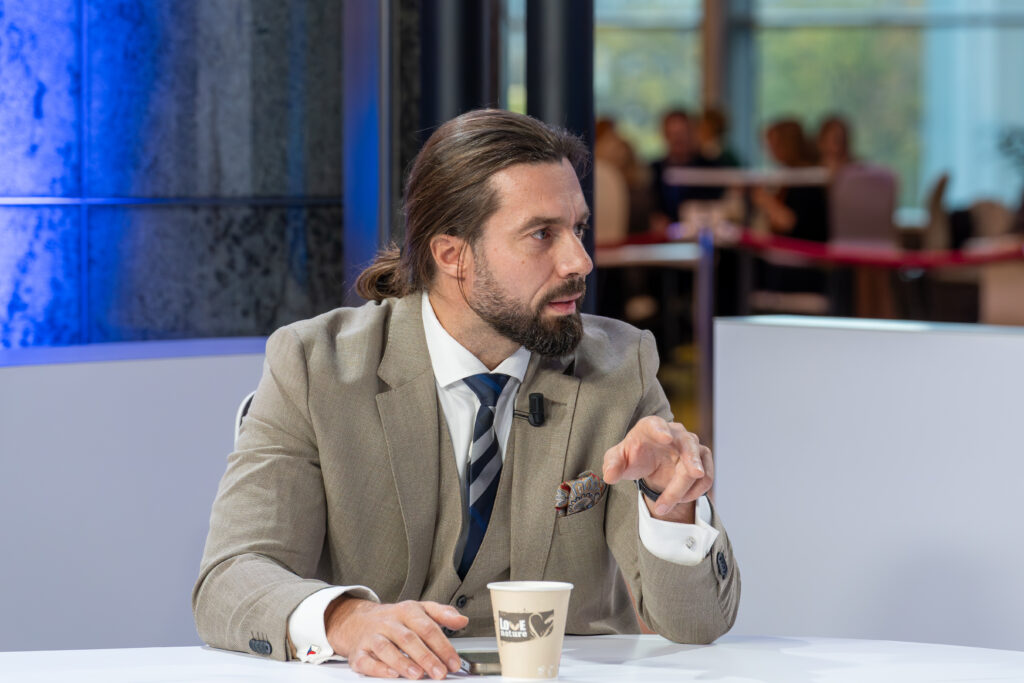
Lifestyle choices remain an area of fierce political debate, Mr Sokol predicts, especially with the EU’s upcoming cardiovascular plan. “Prevention and lifestyle are the most controversial parts of health policy,” he says. “They touch alcohol, diet, nutrition, labelling: areas where opinions differ strongly.” Front-of-pack food labels, in his view, are essential tools for consumer empowerment. “People must be clearly informed about what they are consuming,” he argues.
Abstinence not always realistic
Ivan Duškov stresses that prevention must reflect how people actually behave. For individuals dealing with depression, anxiety or dependency, expecting abstinence may not be realistic. “For many people with mental-health problems, safer alternatives can reduce risk more effectively than strict abstinence,” he says, suggesting harm-reduction approaches should be built into national strategies.
At stake, both experts agree, is the health of millions, especially vulnerable groups. Whether Europe opts for stronger regulation, more prevention, or more support for harm reduction, one conclusion is unavoidable: inaction is not an option.