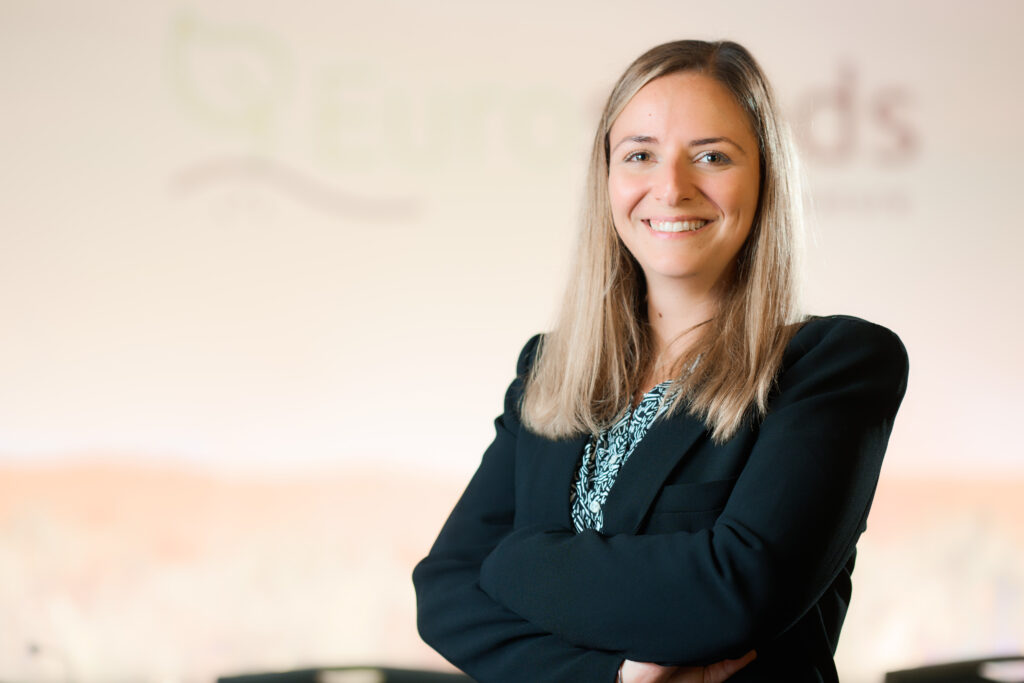

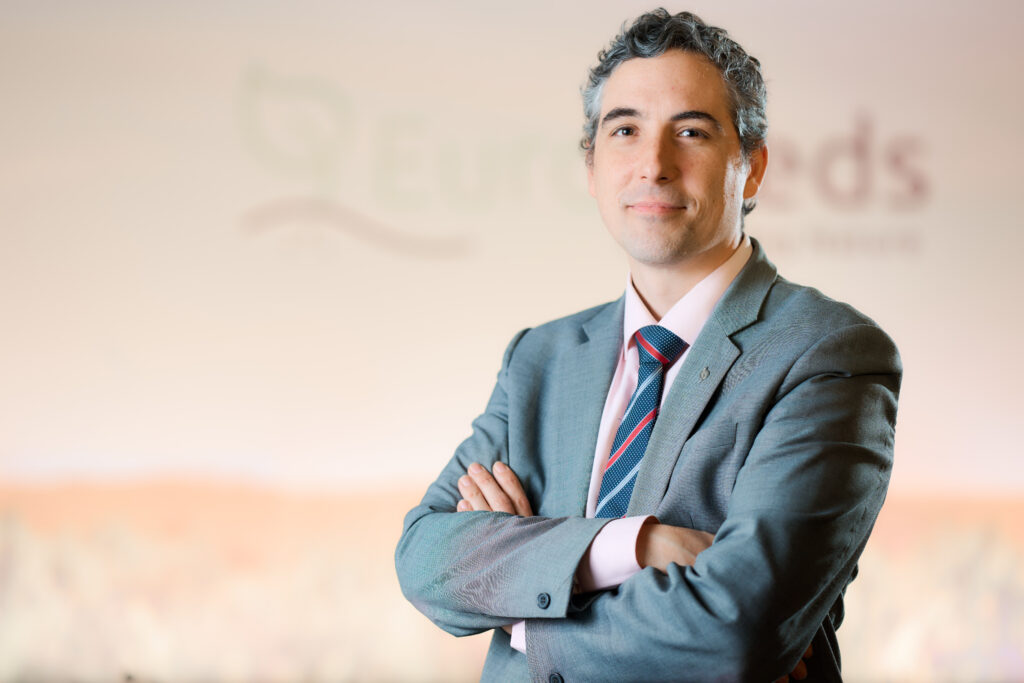
Europe is updating decades-old seed rules, with two key proposals moving through Brussels: the reform of the EU Seed Marketing Directives and new regulations for New Genomic Techniques (NGTs, i.e., gene editing). Both aim to modernise legislation, harmonise standards across member states, and give breeders the tools to innovate safely—topics at the heart of our interview with the Brussels-based seed industry association, Euroseeds. EU Perspectives spoke to the association’s Communications Manager Erika Maugeri and Public Affairs Manager César González.
Euroseeds has been around for a while? You’re no newcomers, right?
Erika Maugeri: Absolutely. Euroseeds was founded in 2001, originally known as ESA (European Seed Association). We are a trade association based in Brussels, born out of the need of four previous organisations, each focused on different crop types, to come together. The goal was to address regulatory issues and shared concerns like innovation, food security, and seed production—topics that remain central to our work today.
How many groups do you speak for currently?
EM: Today, our membership is broad and diverse, including 35 national associations, policymakers, national decision-makers, and individual company members. Our company members range from large and mid-sized businesses to very small companies, for example, those in the Czechia or the Balkans.
Smaller companies often have limited resources and no direct representation at the EU level. While some larger companies or associations may have advocacy managers, smaller players rely on us to make their voices heard in EU legislation. We support both our direct members and, indirectly, the members of our member associations, providing guidance on EU regulations and offering consultancy and advisory services when needed.
Representation is key
EM: Our mission is to represent seed associations and companies active across research, breeding, production, and marketing of agricultural, vegetable, and ornamental seeds. We engage with policies that affect seed innovation, including New Genomic Techniques (NGTs), plant reproductive material, intellectual property rights, and biotechnology.
We’re also active in research, participating in EU-funded projects that advance plant breeding, seed quality, sustainability, and digitalisation. Everything we do is focused on fostering innovation, supporting our members, and driving the seed sector forward.
You might be interested

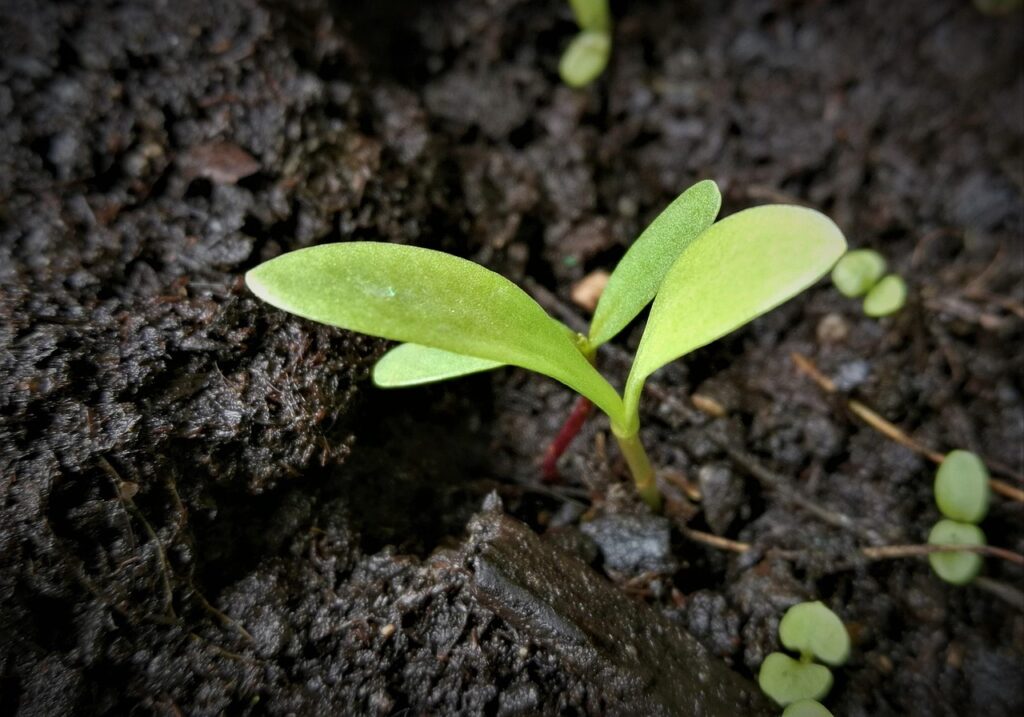
Your logo is a simple seedling. It really makes you realise how much is at stake with seeds: crops for feed, sustainability, or protection against disease. It’s a complex area, covering everything from hybrids to genetic modification. Is it hard to get the message out to the broader public?
EM: From a communication perspective, it’s incredibly challenging. Many people don’t spend all that much time thinking about what a seed “really” is. A lot of people get used to food just appearing in the supermarket without considering the process. Misunderstandings persist around GMOs (genetically modified organisms), biotechnology, and New Genomic Techniques (NGTs). That’s why we’ve been ramping up our efforts in communication and research, to help people grasp the scope and importance of our industry.
César González: From a policy perspective, seeds may be a small sector within agriculture, but they have an outsized impact. Every seedless watermelon, colourful grape, or perfectly shaped fruit is the result of plant breeding innovation. Even in longer value chains, like cereals, innovations in wheat or production methods affect the end products we consume, such as the cereal bar you have for a snack. Basically, seeds are fundamental in creating value for both farmers and consumers.
Understanding the seed sector
How do experienced farmers see the role of seeds in their operations?
CG: Experienced farmers—whether they’ve inherited the farm or spent decades working the land—understand the importance of choosing the right hybrids, rotating crops, and ensuring resilience to avoid yield losses of 30 to 40 per cent. The seed sector is highly international. Even medium-sized companies operate globally, and innovations benefit everyone along the chain. Breeders build on each other’s discoveries, farmers receive products tailored to their needs, and traders and other stakeholders also gain advantages.
In Europe, plant breeders increasingly focus on adapting crops to climate change, combating evolving pests, and making the most of shrinking productive land. Shorter production cycles for crops like wheat, higher yields on less land, and the development of new or improved crop varieties are all driven by these long-term trends. As fewer plant protection products come to market, genetics—through plant breeding and seed innovation—becomes one of the primary tools for farmers.
EU legislation and market harmonisation
CG: Regarding legislation, the current EU system for seeds and plant reproductive material works, but it’s based on some of the oldest directives in the EU—dating back 60 years! Over time, this has led to dis-harmonisation in how the rules are applied across different member states. The new legal proposals aim to modernise and harmonise these rules to better reflect today’s innovation and market needs.
Some proposals aim to bring certain types of material to market, though this isn’t what most of our companies currently deliver. Nor do we see these as the future of agriculture. But if they enter the market, it must be done carefully to protect plant health. Controls are essential to avoid creating problems that would require drastic measures for breeders and farmers. Legislation also needs to stay consistent with other areas of agriculture that have evolved over time, like official controls and organic standards. While alignment is important, the main pillars of seed legislation have proven effective and should remain. A coherent update could provide a stable framework for the next 15–20 years.
New Genomic Techniques: Europe’s second wave
How much are New Genomic Techniques (NGTs) a potential game changer?
CG: Europe missed out on the first generation of GM crops that involved adding foreign genes (transgenes). But with new gene-editing techniques (targeted mutagenesis) and safer forms of gene transfer within species (cisgenesis), Europe now has an opportunity to advance genetically improved crops and catch up with the rest of the world.. These tools were adapted to plant breeding, but didn’t originate from it. A clear, enabling regulatory framework in Europe is crucial. While GMOs are used elsewhere for feed, Europe currently lacks authorisation for them in production. Establishing this framework ensures breeders can continue innovating safely and effectively. [This week saw a key development in this regard, regarding a political agreement at the trilogue stage – ed. note]
What could enabling a proper regulatory framework allow us to achieve in terms of yield and innovation over the next 20 years?
CG: We see the two waves differently—first, the transgenic GMO wave Europe largely missed; second, the New Genomic Techniques (NGTs, gene editing) wave that could let Europe catch up.
Global competition and Europe’s lag
If the EU missed the first biotechnology wave, where is the global forefront for genomic techniques, and what factors have caused Europe to lag?
CG: I think, if I had to be fully honest, the forefront—the United States is enormously well and doing a good job. Argentina and Brazil are probably the best examples: sizeable countries with very pragmatic legislation, very clearly orientated. They know where this is going, what they are doing, and are very proud of that.
It’s a different size and weight, but the lighthouse or guiding star, if I may, would probably be Argentina or Brazil, and then the others—United States, Canada, and so on.
Why is Europe behind? There is a mixture of reasons. I don’t think there is one single explanation. Legislators in Europe follow lengthy procedures, which ensure checks and balances because everyone participates at some point. This approach has benefits, but it can also slow down processes. People initially considered this file controversial, although looking back at the GMO directive, it wasn’t that controversial. People who were not actively engaging 20 years ago are now more public in defending highly innovative plant varieties (HEDs), so things have evolved positively.
In Europe, plant breeding is increasingly focused on adapting to climate change, evolving pests, and shrinking productive land. – César González, Public Affairs manager at Euroseeds
The European Commission has taken a step-by-step approach—not rushing or cutting consultation. We’ve had multiple rounds of consultations, an appeal to the European Ombudsman, and numerous exchanges with the European Food Safety Authority (EFSA). All reasonable checks have been applied, and we’re pleased to see it may finally conclude.

Advantages of genomic techniques
How much of an improvement are genomic techniques compared to traditional plant breeding? Which traits or advantages are most significant?
CG: The first and most obvious advantage is that genomics saves time—probably two to three years to bring new varieties to market. You know exactly where to make a modification, and instead of crossing in and then crossing back to remove unwanted traits, you directly insert exactly what you want. You know where you’re putting a trait, and what it does. You’re not carrying over anything unwanted. This works best for well-studied crops, where many varieties are documented and you can select precise traits. For less-researched crops, it helps gain prior knowledge about what existing varieties can do. Not all crops develop at the same pace, so the impact varies.
Instead of experimenting blindly, you see the exact effect of each modification and can deliberately decide which traits to keep or discard. This precision saves time (and therefore also money) and allows breeders to explore more efficiently, creating variations quickly without unintended consequences. Tolerances or resistances to pests and diseases will likely be very prominent. With no new active substances or molecules for crop protection entering the market, there’s a strong need for genetic solutions. Every three, four, or five years, resistances or tolerances break down, so breeders must keep working—unless they can combine multiple traits at the same time.This is one of the most interesting areas of modern breeding.
Yield!
CG: Yield remains important—either through improved resistance or tolerance, which reduces stress on the plant, or by optimising crop structure, such as producing shorter maize with more grain and less stem. I don’t think you could, for example, alter soil composition or salinity—that would require more extensive modifications, pushing the limits of what is possible under Category 1 or 2 entities considered conventional. The potential exists, but what can be achieved depends on legislation. Other traits, like quality characteristics or herbicide tolerance, are also important, though likely secondary priorities.
From a communication perspective, it’s incredibly challenging. Misunderstandings persist around GMOs, biotechnology, and New Genomic Techniques (NGTs). – Erika Maugeri, Euroseeds Communications Manager
Intellectual Property and Patents
Is there a difference in intellectual property rights between traditional breeding and laboratory-modified seeds?
CG: No. It’s true there was a prominent debate about intellectual property, but today you have patented traits in the market alongside protection of varieties. That framework makes it possible. You’ve touched on what seems to be a very technical debate: if someone takes an existing variety and makes only a tiny modification, should that be patentable? That’s really the core issue. Whether a tiny change to someone else’s variety qualifies for patent protection is ultimately for Patent Authorities to decide, but it’s one of the sector’s most pressing discussions. We already have frameworks for patents and plant variety protection. They cover different things—but there’s an ongoing push for transparency so innovation isn’t blocked.
While companies rarely do this in practice, the principle is important: if you create a meaningful innovation, licensing it fairly allows everyone to benefit. For crops where it’s allowed, farmers should still be able to use farm-saved seed with royalties, as today. We want the framework to remain, but with fixes where it doesn’t work perfectly. Whether a small change qualifies for patent protection is a question. The framework should remain, with fixes where needed.
Beyond food: Feed, forestry, and biofuels
When the public thinks of seeds, food for humans gets much of the focus. But what about livestock feed, forestry, ornamentals, and biofuels?
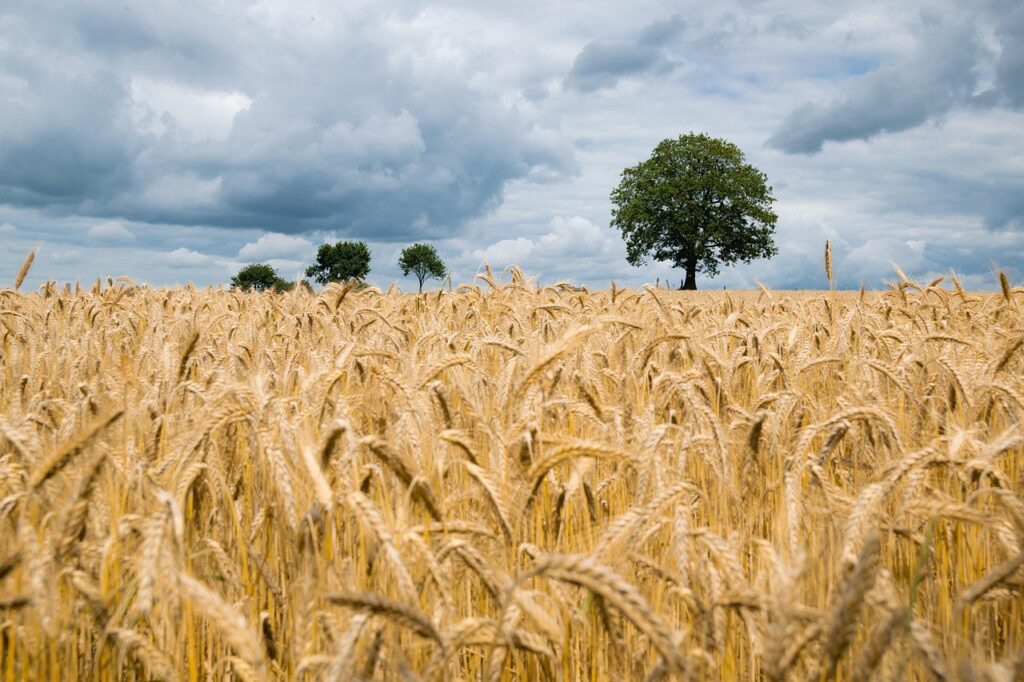
CG: There’s room for improvement. Europe is losing arable land, making the remaining productive land crucial. Biofuels helped introduce crops that fit rotations; oilseed rape is a prime example. Scaling up new crops without a secondary market rarely succeeds. There’s no competition between land uses—food, feed, biofuels, fibre, even turf—they’re all valid. The real question is whether the market creates value. Biofuels have helped farmers stay in business and invest in sustainability.
Seed treatment and farmer challenges
What have we not mentioned about seeds?
CG: Seed treatment, for example. Seed treatment is key. Treated seed, used in nearly 90% of sales in some segments, allows precise pesticide or fertiliser application, reducing further inputs. It’s widely demanded and proven, though EU discussions on the framework are ongoing.
Farmers complain about stricter European pesticide rules…
CG: It stems from a broader issue. Europe has diverged from international legislation, losing plant protection products faster than other regions. Rules are applied differently, sometimes fundamentally so. This accumulates, leaving farmers frustrated. Linking this to NGTs: if Europe doesn’t get regulation right, we risk repeating the same situation. Allowing technologies to work in Europe is the only way to avoid future disputes on imports and competitiveness.
Can genomic solutions help address this imbalance?
CG: Yes, but there’s a time gap. You need a regulatory framework, then years of research, and finally products reaching the market—a 10–15 year timeline. Meanwhile, political pressure continues. Solutions are needed, and state intervention alone won’t solve it. Genomics is absolutely part of the answer.
Favourite crops and leisure time
Over your career, can you drive past a field without thinking about yield or resistance? Do you have a favourite crop?
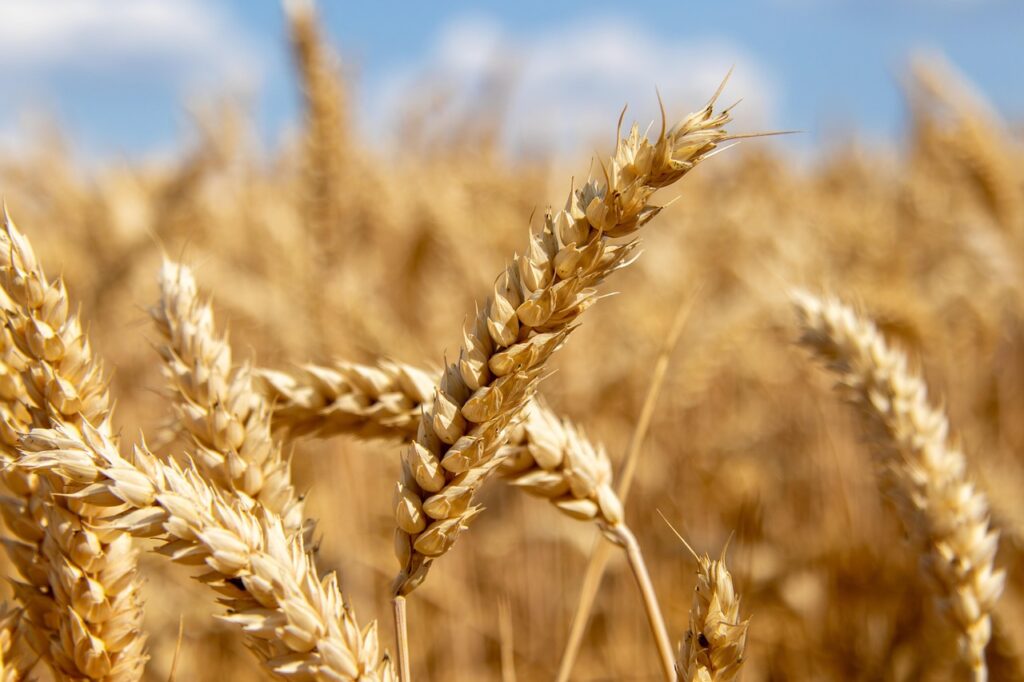
EM: Wheat—for both of us. It was very different before domestication and now supports many products. Gluten-free varieties and the EU’s focus on cereals make it crucial for competitiveness. Seeing big harvested piles in the village is lively—it’s one thing I miss about the job. Coming from a journalism background, I’m still curious about ecosystems and field-level work.
Do you ever feel disconnected from the field, given Brussels‑based policy work?
CG: Yes. I joined Euroseeds after the European Court of Justice ruling on entities; over seven years later, legislation is still being finalised. Even when files close, implementation takes years, and products reach the market later. It’s a drawn‑out process — over twenty years in this case — and seems common across sectors.
Public engagement and education
Are there projects to educate the public about the seed sector and its innovation cycle?
EM: Yes. The Euroseeds Congress is our flagship, changing location yearly and attracting over 1,000 participants, including industry, policymakers, MEPs, Commissioners, and international stakeholders. The Innovation Stage highlights seed innovations—breeding one year, production and quality another, then seed treatments. Innovators pitch their technologies, market value, and IP considerations. Winners and runner-ups receive awards and invitations for the next year.
We also run the NextGen Forum to engage late-stage students—Master’s and PhDs—raising awareness about plant breeding, seeds, and genomics, helping cultivate the next generation of leaders. We hosted a discussion event with board members, my colleague César, and a Brussels stakeholder. Students asked questions and learned directly from professionals, filling gaps left by standard education.