
Commission has fined three automotive starter battery manufacturers a total of €72 million for participating in a long-running cartel concerning automotive starter batteries. This cartel restricted competition and may have led to higher prices for the manufacturing of cars and trucks in Europe. The companies secretly coordinated to introduce ’surcharges’ as an industry-wide standard.
Companies Exide, FET (including its predecessor Elettra) and Rombat, plus the trade association EUROBAT together with Clarios were found to have breached the EU antitrust rules. The above mentioned companies have been concluding anticompetitive agreements for more than twelve years and engaged in concerted practices related to the sale of automotive starter batteries to automotive original equipment manufacturers.
Lead in the spotlight
The Commission found that the four manufacturers, helped by the trade association EUROBAT, agreed to create and publish premiums calculated based on their purchasing price of lead (the so-called EUROBAT premiums). They also agreed to use such premiums in the price negotiations with their respective customers, e.g. manufacturers of cars and trucks, to ensure that the resulting surcharge was kept at a level higher than it would have been without such agreement.
A surcharge is a legitimate tool suppliers use to reflect changes in raw material costs in product prices, allowing them to transfer this cost risk to the customers. However, it is clearly illegal for suppliers to secretly coordinate to introduce and use such a surcharge as an industry-wide standard.
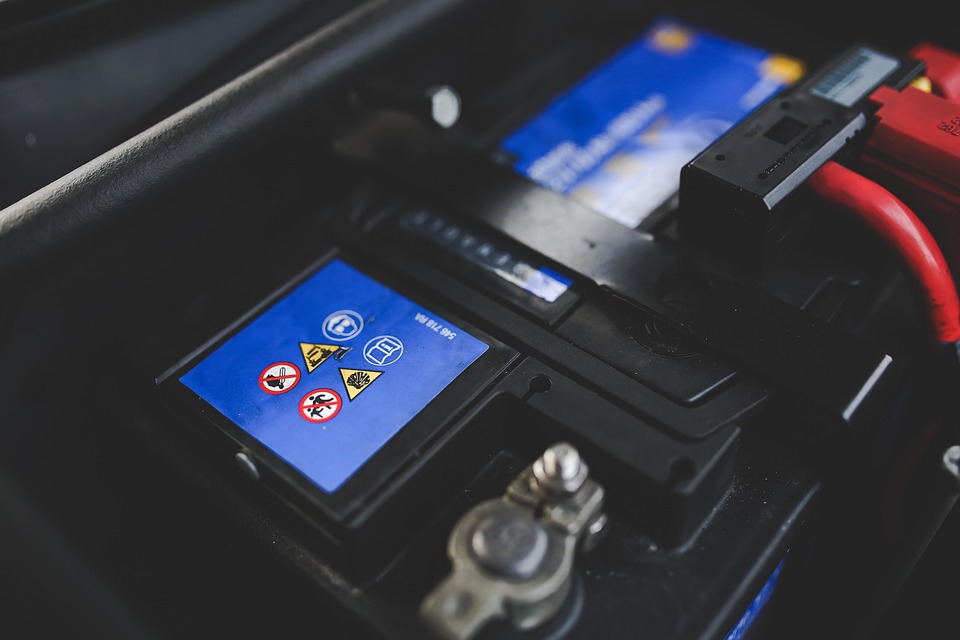
In all types of automotive starter batteries, lead is the most important input material and cost factor. To be suitable for use in automotive starter batteries, lead must be purer and have certain additives. Automotive starter battery manufacturers pay a premium to their lead suppliers for the procurement of lead with these qualities.
You might be interested

The case concerns automotive starter batteries sold to car producers in the EEA for use in new cars as well as replacements.
Fines go to the EU budget
Fines imposed on companies found in breach of EU antitrust rules are paid into the general EU budget. These proceeds are not earmarked for particular expenses, but member states’ contributions to the EU budget for the following year are reduced accordingly. The fines therefore help to finance the EU and reduce the burden for taxpayers.