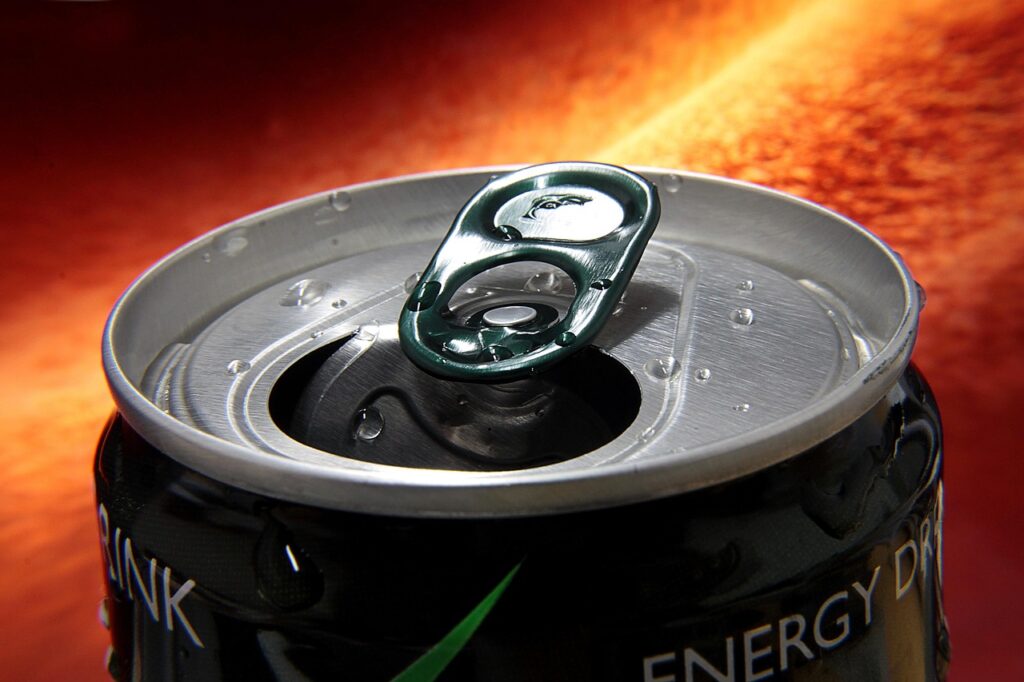

European lawmakers are examining tighter controls on energy drinks for children and teenagers, citing growing evidence of serious health risks. The European Parliamentary Research Service (EPRS) briefing shows that adolescents are the heaviest consumers, with about 12 per cent classified as high chronic users, drinking up to seven litres a month.
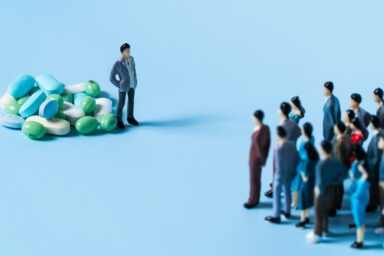
Energy drinks combine high sugar, caffeine, and stimulants such as taurine and guarana. They are widely marketed as performance boosters, often through sponsorships, social media campaigns, and partnerships with sports teams, targeting adolescents with images of action, adventure, and extreme sports. Each 250 ml can, can contain roughly 27 grams of sugar — almost a child’s full recommended daily limit — and significant levels of caffeine. Studies link consumption to cardiovascular stress, poor sleep, gastrointestinal issues, and risky behaviour. Adolescents face higher risks because lower body weight and heightened sensitivity amplify the effects of stimulants.
Easy to surpass safe caffeine intake?
According to the European Food Safety Authority (EFSA), safe caffeine intake for children and adolescents is about 3 mg per kilogramme of body weight per day. Exceeding this level, which can happen with energy drinks, may increase the risk of adverse health effects.
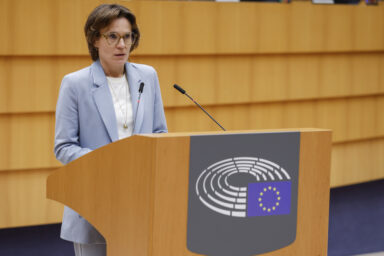
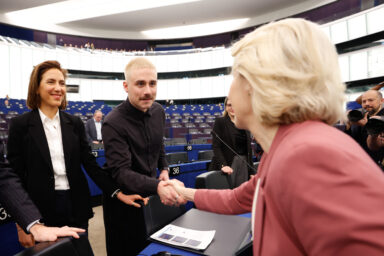
At a public hearing on 3 December, Members of the European Parliament reviewed the EPRS briefing and a report from Foodwatch Germany. Lawmakers debated whether voluntary industry codes and EU labelling rules are sufficient or if stricter age-based restrictions are necessary.
Some already have bans
While some EU countries — including Lithuania, Poland, and Hungary — already ban sales to minors, enforcement remains patchy, with less than one in five attempted purchases in shops blocked by proof-of-age checks. MEPs are now weighing options that could combine education, tighter retail rules, and potential EU-level measures to curb adolescent consumption.