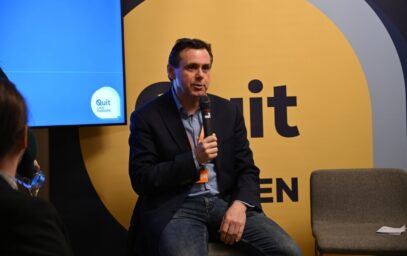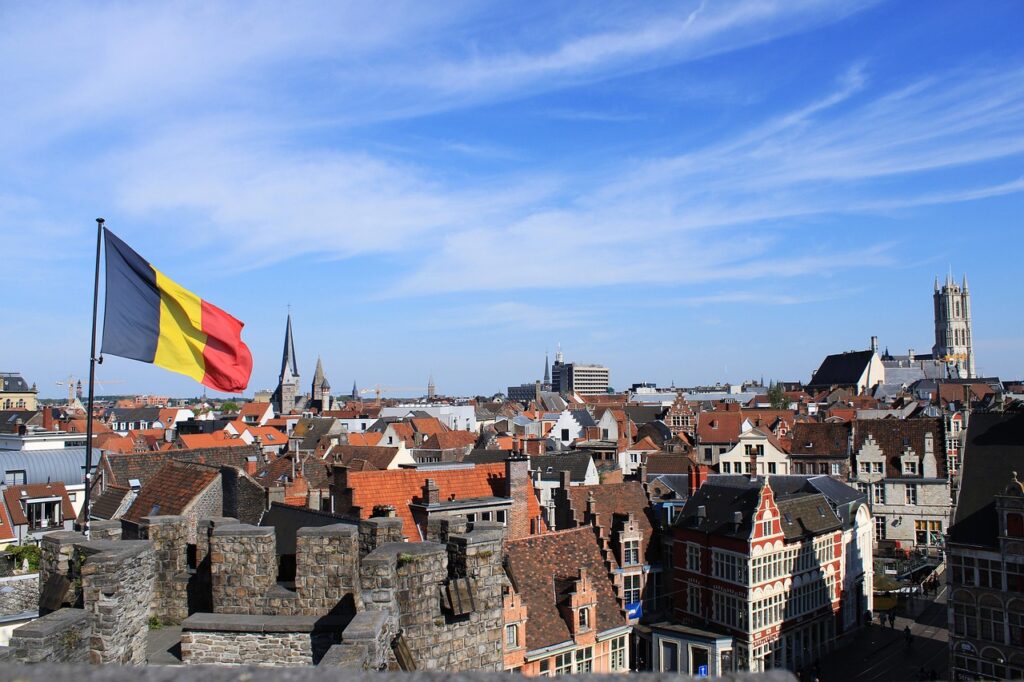

The European Commission’s newly adopted approach to cities took centre stage at a meeting of the European Parliament’s regional development (REGI) committee this Wednesday, as the mayor of Ghent and the head of the Eurocities network urged EU institutions to match growing expectations of cities with clearer governance and stronger backing in the next long-term budget.
The discussion reflected the Commission’s EU Agenda for Cities, adopted in December, which seeks to place cities more firmly at the heart of EU policymaking ahead of negotiations on the next multiannual financial framework. While not a funding instrument in itself, the agenda sets out how cities are to be better integrated into EU priorities ranging from climate action to social cohesion, and how EU policies and funding tools should be made more accessible, coherent and responsive to urban realities. Committee members and city leaders, however, warned that its success will hinge on whether it is translated into enforceable governance and predictable funding after 2027.
No Europe without all the people
Opening the debate, Mathias De Clercq, mayor of Ghent and head of the Eurocities network, framed cities in human terms, telling members that “without the people, there is no Europe”, noting that “75 per cent of the people live in the cities”, where EU policy ultimately takes shape. De Clercq described the agenda as “a lever, not an end point” and cautioned that “today the agenda does not yet guarantee an enforceable role for cities”, pointing to a risk of re-nationalisation if key decisions and funding flows remain concentrated at national level.
“The real test of the EU agenda for cities is the post-2027 budget,” he said, arguing that cities are ready to deliver on climate, housing, mobility and inclusion, but only with “direct and predictable funding” and “simpler governance with real partnership”. He warned that without clearer guarantees, cities risk being treated as implementers rather than partners under the next generation of national and regional plans.
Not just a bunch of buildings
Several committee members, many with experience as mayors, echoed those concerns, stressing that cities are more than infrastructure and are where EU policies are felt most directly by citizens. One warned that cities often feel “consulted but not actually participating” in the design of programmes, while others cautioned that overly complex rules and centrally defined priorities could weaken the place-based approach underpinning cohesion policy.
Representing the Commission, DG REGIO official Kadri Uustal struck a more reassuring tone, saying that “we worked very hard on preparing the city’s agenda” and that feedback from cities, member states and the Council working party shows “we got the contents right”. She stressed that implementation is already under way, noting that “everything that’s in the city’s agenda is already on train and being prepared”, including structured political and technical dialogue and the gradual rollout of a cities platform. While acknowledging that negotiations on the next MFF fall outside her mandate, she said existing rules already provide “all the possibilities and all the flexibility” to direct significant funding to cities.
You might be interested

Not completely reassured
In closing, De Clercq welcomed the support voiced in the room but returned to his central warning, saying he was “a bit afraid” that funding remains too vague and that an urban chapter is still not mandatory in national and regional plans. With budget talks approaching, he urged the committee to act, warning that “what now is at stake is very important”. “It is money time,” he concluded, “literally and figuratively — the time is now to act.”