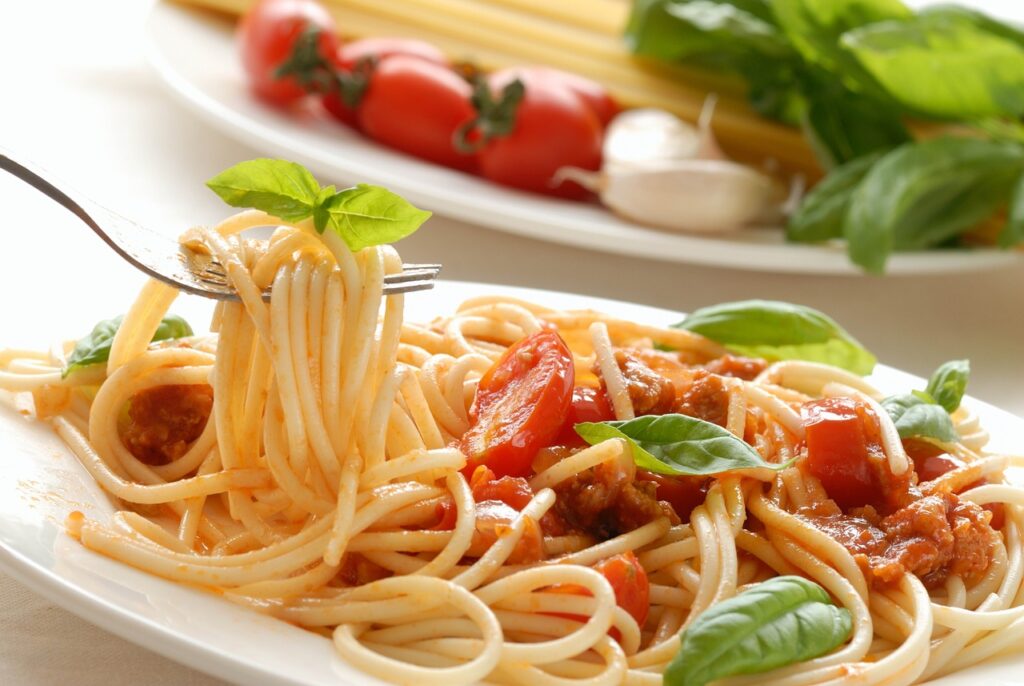

The US has dialled back its threatened tariffs on Italian pasta, striking a balance between enforcement and restraint. The revised duties are “al dente”: firm enough for the country to signal its new trade discipline but soft enough to avoid crushing exporters or shocking consumers — a rare example of measured diplomacy in a tough trade environment.
The US Department of Commerce reduced preliminary anti-dumping duties on 13 Italian pasta producers from a previously proposed high of roughly 92 per cent to a range of 2 per cent to 14 per cent. La Molisana will face a 2.26 per cent duty, Garofalo about 14 per cent, and the other producers approximately 9 per cent. These companies account for roughly 16 per cent of Italy’s pasta exports to the US. Italy’s foreign ministry said that exporters addressed US concerns, demonstrating that cooperation can influence tariff calculations. According to the US Department of Commerce’s post-preliminary analysis of Italian pasta, the final ruling is expected in March 2026.
Tariffs recalibrated
The revised duties add to the existing 15 per cent tariff on most EU imports. While still significant, the proposed reductions spare Italian pasta makers the harshest penalties and prevent dramatic price spikes for US consumers.
The US administration delayed planned increases on kitchen cabinets, vanities, and upholstered furniture for a year, highlighting its selective recalibration of trade policy.
Diplomatic relief for Italy and the EU
The tariff reduction provides cautious relief for Italy and the European Union. The EU had warned it would intervene if the US imposed punitive tariffs, but the narrower duty range may reduce the risk of escalation, taking the issue off the boil, so to speak.
Trade experts say the episode underscores the delicate balance of US anti-dumping enforcement — protecting domestic producers while avoiding excessive disruption to consumers and international relations.
You might be interested

Looking ahead
Italian pasta exporters have emerged largely intact, US shoppers avoid a price shock, and diplomatic tensions eased — at least until March’s final ruling. The case could also signal a broader lesson: in a hardline trade environment, early cooperation and transparency can turn a potential crisis into a manageable compromise.