
As the EU prepares to phase out Russian liquified natural gas imports by 2027, recent data shows that significant volumes of Russian LNG are still reaching EU markets, raising concerns about the bloc’s ongoing financial contribution to Moscow’s war chest as it continues its daily assaults on Ukraine.
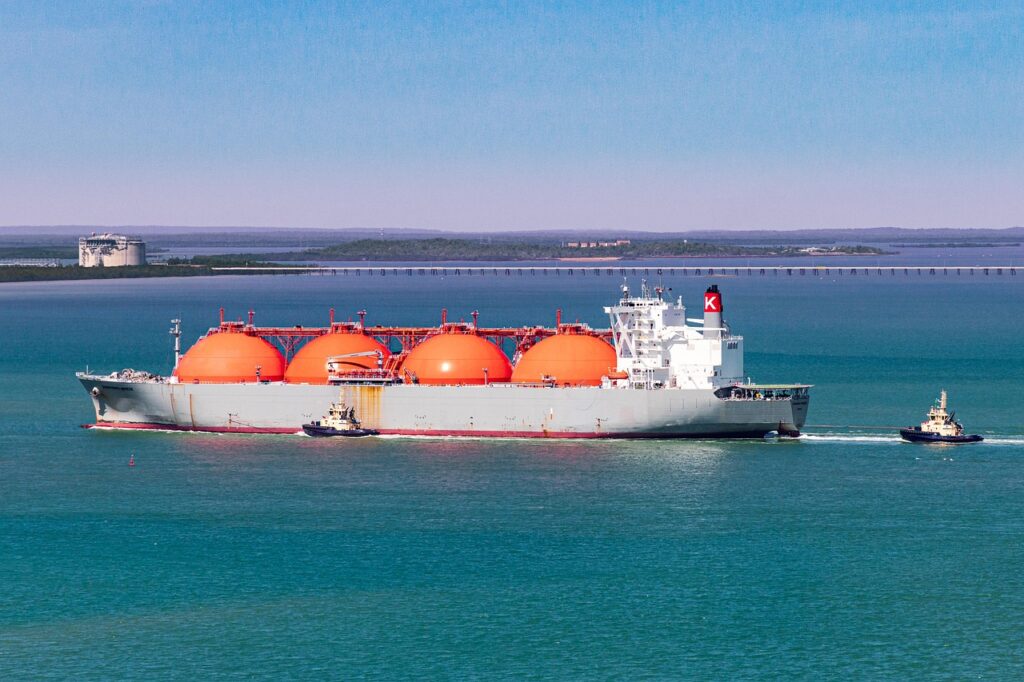
The German environmental NGO Urgewald, drawing on trade analytics from Kpler, reports that EU countries imported more than 15 million tonnes of LNG from Russia’s Yamal terminal in Siberia in 2025, generating approximately €7.2 bn in revenue for the Kremlin. The EU slightly increased its share of Yamal exports last year, taking more than 76 per cent of global shipments, with France and Belgium receiving the largest portions: 6.3 million tonnes to France and 4.2 million tonnes to the latter.
The Guardian was one of several news sites reporting the findings, which have intensified scrutiny of the EU’s energy policy during the transition period ahead of the planned ban.
Urgewald campaigner Sebastian Rötters warned that EU ports acted as the “logistical lifeline” for Russia’s largest LNG facility. “While Brussels celebrates the upcoming phase-out, our ports still enable Yamal’s operations. Every cargo that offloads at an EU terminal directly feeds a war chest that fuels the conflict in Ukraine,” Mr Rötters said in a statement accompanying the report.
You might be interested
Imports fall sharply, still substantial
According to available information, Russian gas imports have fallen sharply since the 2022 invasion of Ukraine—from 45 per cent of EU gas imports before the war to 12 per cent as of October 2025—but they remain significant. Analysis from the Centre for Research on Energy and Clean Air (CREA) shows that EU member states, led by Hungary, France, and Belgium, continue importing both pipeline gas and LNG, with the bloc taking nearly half of Russia’s global LNG exports in November 2025.
These findings highlight a stark policy challenge: although the EU has legally committed to phasing out Russian LNG, contractual obligations and infrastructure realities allow substantial revenue to keep flowing to Moscow. Urgewald warns in its analysis that legislation alone will not stop the bloc from indirectly funding the Kremlin’s war machine. Without swift enforcement, coordinated oversight, and practical measures to close the so-called Yamal loophole, the EU risks sending mixed signals—publicly supporting Ukraine while letting billions to continue reaching Russia.
According to Urgewald, the 2027 phase-out must come with action. Fully closing the gap will require coordinated steps, from targeted enforcement to increased investment in alternative energy supplies, backed by the political will needed to genuinely reduce Moscow’s leverage. Only a full shut-off of remaining energy revenue streams might dampen Moscow’s appetite for destruction and the continuation of the war.