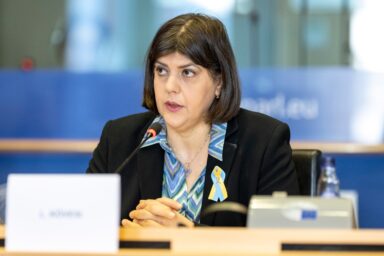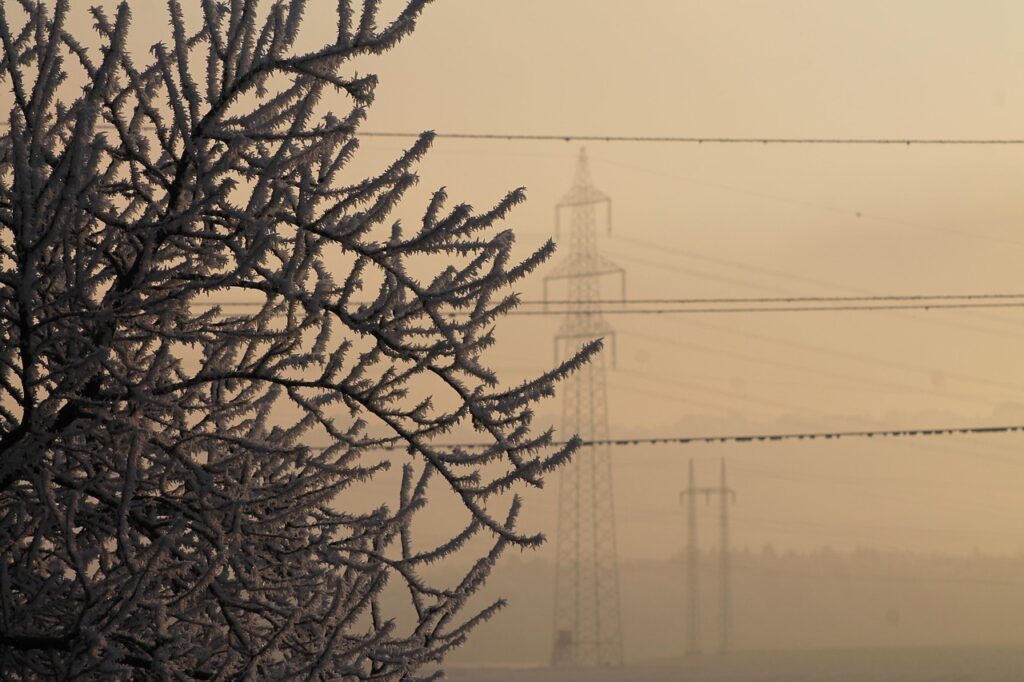

The European Union is deploying just under 450 emergency generators to Ukraine after Russian strikes left over one million people without electricity, water or heating amid temperatures around –20°C. In a statement, EU Commissioner for Preparedness and Crisis Management Hadja Lahbib said attacks on the energy grid, aimed at exposing Ukrainians to extreme cold and breaking their spirit, “would fail.” The EU made the statement as Ukrainian, American and Russian representatives prepared to meet in Abu Dhabi for the first trilateral talks since Russia launched its war in 2022.
The generators, worth €3.7m and drawn from EU strategic reserves in Poland, will be distributed to hospitals, shelters and the communities most affected with support from Ukraine’s Ministry for Development of Communities and Territories and the Ukrainian Red Cross. The deployment builds on ongoing EU assistance, which includes nearly 10,000 generators sent through the EU Civil Protection Mechanism, the relocation of a thermal power plant donated by Lithuania, and hundreds of millions in emergency funding to keep electricity and heating running across the country.
Russia’s continued attacks on Ukraine’s energy infrastructure are (…) designed to break Ukrainian spirit. They will fail. – EU Commissioner for Preparedness and Crisis Management Hadja Lahbib
Ukrainian civilians are enduring some of the harshest winter conditions of the war, with temperatures below –20°C, daily missile and drone strikes, and widespread damage to energy infrastructure.
Underhanded and calculated
European officials condemned the attacks as deliberate attempts to deprive civilians of essential services, emphasizing that continued support including solid fuels, heaters and emergency heating points is critical to keeping hospitals and shelters operational and maintaining Ukraine’s resilience. Ms Lahbib made clear the attacks would not be allowed to succeed.
“Russia’s continued attacks on Ukraine’s energy infrastructure are deliberately depriving civilians of heat, light and basic services in the middle of harsh winter. They are designed to break Ukrainian spirit.”
Toughest conditions since start of the war
Oleksii Kuleba, Vice Prime Minister for Restoration of Ukraine and Minister for Communities and Territories Development, described the winter conditions as the most difficult since the war began. He highlighted the role of EU assistance, including the European Commission and the Emergency Response Coordination Centre, in protecting millions of people and strengthening Ukraine’s resilience amid ongoing attacks on its energy infrastructure.
“Ukraine is currently going through the most difficult winter since the beginning of the war. The Russian Federation continues to deliberately destroy our energy infrastructure and utility facilities in an attempt to deprive Ukrainian citizens of access to electricity, heat, and water. Thanks to the extraordinary efforts of our specialists and the timely aid of our partners, these risks are being minimised.”
You might be interested

Davos and Abu Dhabi
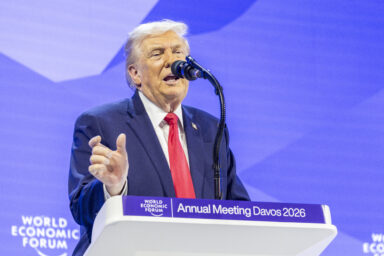
Earlier this week at the World Economic Forum in Davos, Ukrainian President Volodymyr Zelenskyy criticised European leaders for responding too slowly to emergent threats as evidenced by Mr Trump’s recent attempt to ‘acquire’ Greenland, too slow to help Ukraine against Russia, or even to act in their own defence. He said that when he spoke in Davos last year he had ended his remarks by saying “Europe needs to know how to defend itself,” and a year later he found himself repeating the same appeal because “nothing has changed.” He urged Europe to act with unity and resolve rather than repeating past patterns of hesitation.
On Friday, Ukrainian, US, and Russian representatives were set to meet for the first trilateral talks since the start of the war. Ahead of the meeting, Russian officials reiterated their demand that Ukraine cede the entire Donbas region, showing no shift in their position. For weeks, European leaders, together with the presidents of the US and Ukraine, have met to hammer out peace agreement details. Though representatives said repeatedly they were close, it is notable that Russia has not once participated directly at the table. Nor have they they indicated any shift in their demands, such as pushing for territory. The Donbas is considered by military experts to be strategically critical for the defence of the country.