
The European Parliament’s international trade committee pushed the EU’s GSP imports towards more stability, as well as to greener and more ethical suppliers. The committee approved the overhaul of the Generalised Scheme of Preferences on 27 January.
Twenty-eight INTA members backed the draft regulation, thirteen opposed it and one anstained, pushing the four-year procedural slog closer to an end. The vote gives new life to the European Union’s oldest development-trade tool, first launched in 1971 and last fully rewritten in 2012. The scheme doles out lower tariffs to poor and lower-middle-income countries. It is now set for a ten-year run starting in 2027.
The outgoing regulation had been due to lapse in 2023. A stop-gap extension kept duty breaks flowing, but officials fretted that predictability was eroding. The fresh text—officially Regulation (EU) No 978/2012—delivers that certainty. It also sharpens the EU’s insistence that partners respect human rights, labour standards and the Paris climate agreement. The reforms mirror Brussels’s wider ambition to turn trade policy into an enforcement arm of the European Green Deal.
Trade with a conscience
The measure retains the existing three-tier architecture of Standard GSP, GSP+ and the ultra-generous Everything-but-Arms facility. Yet the thresholds that determine product graduation are lowered. Competitive exporters will lose their margin of preference sooner, giving poorer rivals a chance to capture new orders. China, Russia, Hong Kong and Macao are struck off the eligibility list for good, on both income and governance grounds.
Conditionality grows teeth. To stay in the GSP+ club, countries must now “effectively implement” 32 international conventions, up from 27. New requirements cover climate change, environmental crime and the rights of persons with disabilities. A rapid-reaction clause allows Brussels to whip away preferences in cases of “exceptionally grave” breaches such as coups or mass atrocities. Civil-society groups gain a formal complaints channel, and Commission monitoring cycles shrink from three years to two.
You might be interested

Least-developed countries, meanwhile, get a softer landing. When the United Nations finally graduates a country out of LDC status, full duty-free access will continue for three years before the state slides automatically into GSP+—provided it signs up to the conventions. The tweak recognises that structural change takes time and cushions investors against sudden tariff shocks.
The regulation’s backers claim the package will push the EU’s €80-billion GSP imports towards greener and more ethical suppliers. Lower graduation thresholds may elbow India out of preferences for some industrial goods and squeeze Indonesia’s footwear edge, redirecting orders towards Bangladesh or Cambodia. Importers, armed with a twelve-month adjustment window, can rejig supply chains or swallow higher duties where necessary.
Politics and procedure
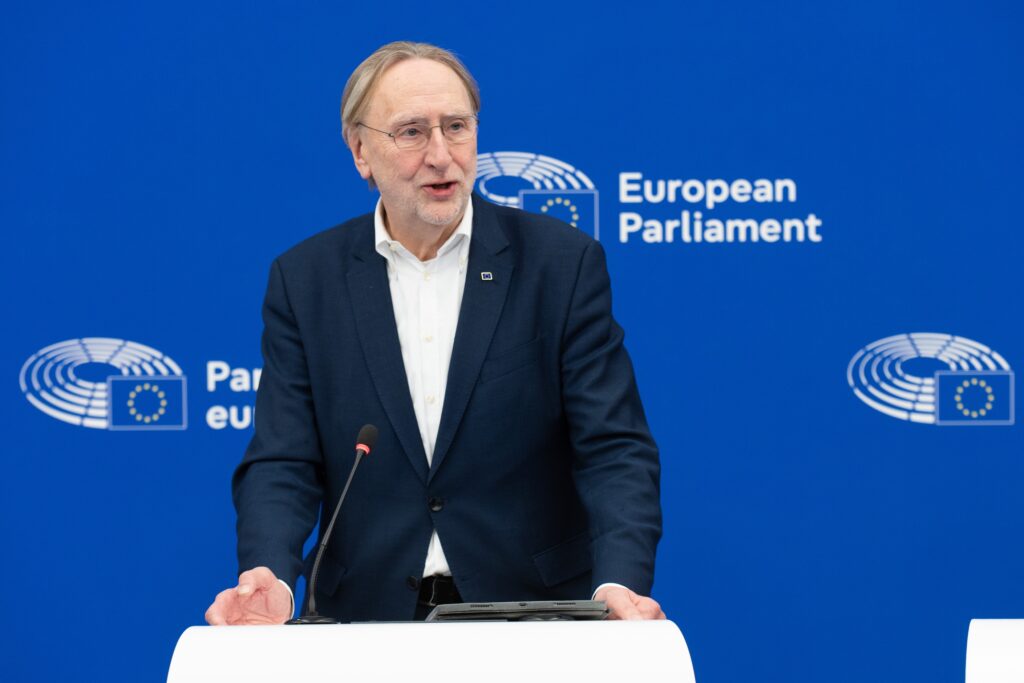
The committee’s decision is not the finish line. Rapporteur Bernd Lange (S&D/DEU) will shepherd the file to plenary in February or March. Council ambassadors have already signalled support, so a final seal could arrive by the summer. That timetable leaves businesses roughly eighteen months to prepare for the new thresholds and compliance demands before the rules bite on January 1st 2027.
For Brussels, the GSP revamp dovetails with a clutch of trade-and-values instruments. A carbon border adjustment on steel and other heavy emitters is rolling out. An anti-coercion regulation is almost inked. By welding tariff perks to green benchmarks and human-rights obligations, the Union amplifies its leverage without resorting to blunt sanctions. Critics mutter that small firms in beneficiary countries may struggle to shoulder compliance costs, yet the Commission argues that clear incentives will spur reforms rather than stifle growth.
Ripples will travel far beyond the EU’s borders. Washington is still mulling renewal of its own lapsed GSP. London, free of Brussels since 2020, has launched a Developing Countries Trading Scheme that borrows heavily from the EU blueprint. Both will watch how swiftly Brussels yanks preferences when rules are flouted—and how reliably it rewards good behaviour.
Endgame in sight
After years of haggling, the margin of victory in committee suggests momentum is now on the side of the reformers. Trade diplomats expect few tweaks in plenary. Should the numbers hold, the European Official Journal will soon carry a text that binds tariff relief ever tighter to climate and human-rights performance. Developing-country exporters must take note: from 2027, access to the world’s second-largest import market will hinge not just on price or quality, but on the quality of governance at home.