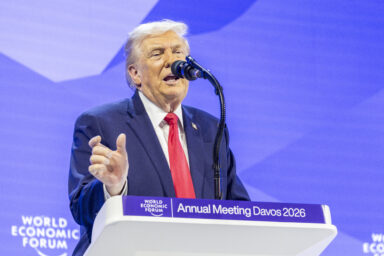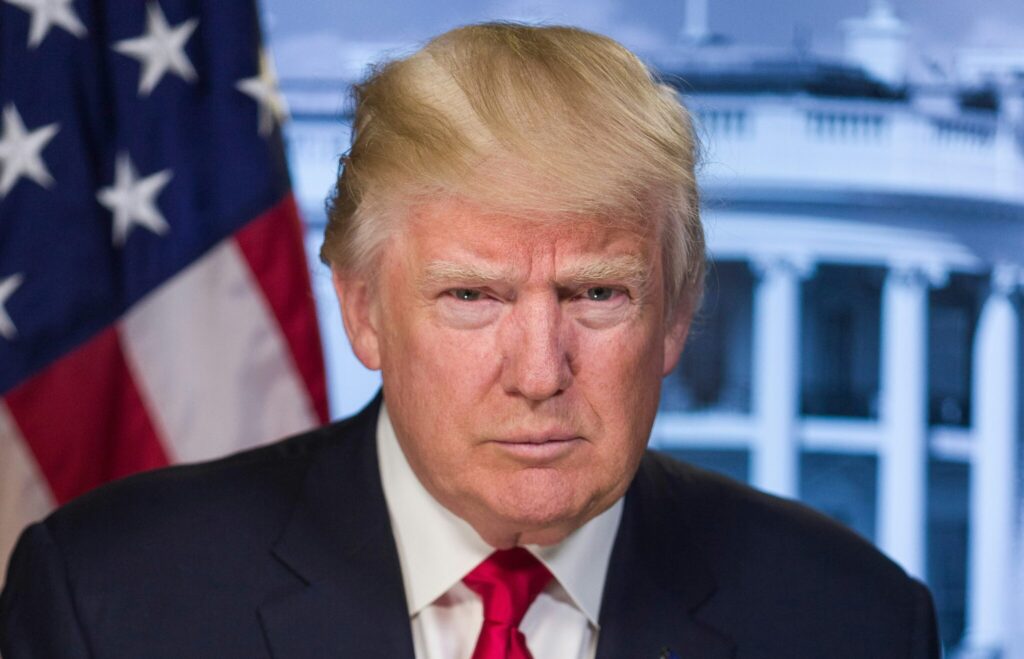

Greenland’s icy vastness dominated the European Parliament on Tuesday as MEPs gathered in Strasbourg to weigh US President Donald Trump’s threat to annex the territory. MEP Anders Vistisen (PfE/DNK) earned himself a rebuke for using some distinctly unparliamentary language. As a matter of policy, however, the blunt message to Trump seemed to resonate through the plenary session nontheless.
The mood was somber from the outset. Kaja Kallas, the Commission’s vice-president and foreign-policy chief, set the pitch: “Let me be abundantly clear. Direct threats will not pressure Denmark into handing over Greenland.” She reminded lawmakers that the island “belongs to its people” and that Europe “stands without doubt with Greenland and the Kingdom of Denmark in defence of their territorial integrity”.
Ms Kallas rattled off tools at the Union’s disposal—tariff defences, Arctic investment, military presence under NATO—and warned that economic coercion would “only risk making both Europe and the United States poorer”. She closed by urging calm unity. Her appeal framed two hours of unusually raw debate.
MEP Henrik Dahl (EPP/DNK), thanked colleagues for their backing. “I think I’m speaking for almost all Danes when I say that we’re very thankful for the support that we’re getting from the European Parliament and the EU institutions at the moment in defending the sovereignty of Greenland and Denmark.” He likened the moment to the philosophical crossroads described by Immanuel Kant: power politics or mutual respect.
You might be interested

Guarding an ice frontier
His fellow Dane Christel Schaldemose (S&D/DNK) tightened the screws. “Whatever you threaten us with, Greenland is not for sale,” she said to address Mr Trump, adding that “Europe has tools, powerful tools, to respond if necessary—and they will work if we use them together.” Her words drew nods from across the chamber.
Yet anger flared too. MEP Jordan Bardella (PfE/FRA), called for a hard economic line: “We should not give in to this kind of blackmail which would affect our prosperity.” He demanded an immediate suspension of the EU-US trade pact and instant activation of the anti-coercion instrument.
We are becoming softies. — MEP Urmas Paet (Renew/EST)
MEP Kristoffer Storm (ECR/DNK) evoked recent military sacrifices. “At no time in EU’s history has a member state been threatened to the extent and the way in which Denmark is now,” he said, recalling Danish troops lost in Afghanistan “from loyalty, responsibility and collectiveness”. The threats, he argued, mocked that shared history.
Tariffs, tantrums and tirades
Tempers soon spilled over. MEP Anders Vistisen (PfE/DNK) earned a formal reprimand after dropping and f-bomb, saying, “Mr President, f*** off.” Vice-president Nicolae Ștefănuță, chair of the debate, halted proceedings to remind colleagues that the chamber was “a house of dignity”. Minutes later Urmas Paet (Renew/EST), lamented Europe’s military shortcomings. “We are becoming softies,” he complained. “For 30 years members of the EU did not invest enough in their security and defence.”
MEP Sergey Lagodinsky (Greens-EFA/DEU) proposed a remedy: “Europe needs a new foreign-policy doctrine. Europe…needs a security council.” His call for swifter decisions and greater capacities won scattered applause, though some bristled at the implied rebuke to national governments.
MEP Heléne Fritzon (S&D/SWE) then re-centred the debate on commerce. “Greenland is not for sale. We in the EU should freeze the trade agreement, look at counter-measures. That is the language that Trump understands.” MEP Alexander Vondra (ECR/CZE) faulted the American president’s style: “This way of handling by Trump is absolutely unacceptable and intolerable.”
Trading blows
Many speakers reached for Europe’s market clout. MEP Eero Heinäluoma (S&D/SUO) urged resolve. “The EU must now act decisively, firmly and with dignity so that future generations can say that today was a day of honour for the Union.” MEP Barry Andrews (Renew/IRL) tasked with negotiating future funding for Greenland, jabbed at Washington’s shifting justifications. America’s national-security strategy, he noted, “doesn’t even mention the Arctic whatsoever”.
Others mocked the White House’s bluster. MEP Reinier van Lanschot (Greens-EFA/NLD) said Europe had cajoled for too long. “We are their largest trading partner. The big tech relies on our massive markets…The costs that the U.S. would pay if they take Greenland must be higher than the benefits.” His prescription: deploy the anti-coercion instrument and push on with a “United States of Europe with a European army”.
Greenlanders do not want to be Americans. They want to be Greenlanders. — MEP Stine Bosse (Renew/DNK)
The chamber also heard gloomier voices. MEP Milan Uhrík (ESN/SVK) derided Europe as “subject of jokes throughout the world”, while his Lithuanian fellow nationalst Petras Gražulis suggested Greenland might be safer under American wings than under Europe’s “increasingly Islamised” defence. Such interventions reminded listeners that the Union’s unity remains imperfect.
Testing the transatlantic bond
Even among Atlanticists, faith wobbled. MEP Niels Flemming Hansen (EPP/DNK), scolded Washington for bullying. “If that is the standard we expect from our children, it’s also the standard we should expect from those who lead powerful nations.” Jaume Asens Llodrà (Greens-EFA/ESP) demanded heftier retaliation: “We need to suspend the trade agreement…Look at the tariffs that Trump threatens.”
Yet few wished to sever the transatlantic link. MEP Alberico Gambino (ECR/ITA) warned against “useless escalation that will just weaken the West”. He argued that the real strategic challenge in the Arctic “doesn’t come from allies, but from the military pressure by Russia and the economic and geopolitical penetration of China”.
MEP Stine Bosse (Renew/DNK) sought to reassure Americans while defending her compatriots. Greenlanders, she said, “are proud, peace-loving people, but the 56,000 people of Greenland are scared.” They “do not want to be Americans. They want to be Greenlanders.” She reminded the House that America once maintained 10,000 troops on the island and still enjoys wide military freedom there under a 1951 agreement.
Solidarity, and spreadsheets
As debate wound down Ms Kallas returned to the lectern. “EU’s firm support for Greenland and the Kingdom of Denmark is beyond discussion,” she declared. She dismissed talk of imminent Russian or Chinese moves, but insisted Europe must prepare for the future Arctic. The Commission, she promised, would update its Arctic policy, “strengthening preparedness, societal resilience and economic security”.
Let me be abundantly clear. Direct threats will not pressure Denmark into handing over Greenland. — Kaja Kallas, top EU diplomat
Whether the tools she brandished—a bigger EU budget line for Greenland, NATO patrols, trade defences—can deter a determined White House remains uncertain. But the day left one clear message. As Ms Fritzon put it, “Trump’s threats should not divide us. We need to show unity.” Strasbourg’s many accents echoed the sentiment, if not always the same solutions.
In a union where market power and moral purpose often collide, Greenland has become an unexpected test. Europe’s lawmakers are betting that spreadsheets—tariff schedules, investment lines and defence budgets—can anchor lofty sermons about sovereignty. Mr Trump may yet call that bluff, but after this fractious debate he knows Europe is at least counting its chips.
“You don’t have an easy job,“ Mr Ștefănuță told Ms Kallas as she was about to close the debate. “Who does today?“ Ms Kallas quipped back. Hardly anyone could disagree.