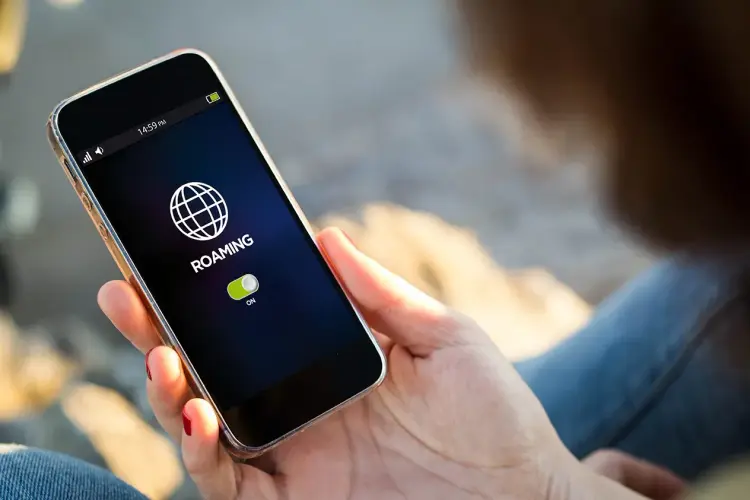

Commission President wants to include Albania and Montenegro into the EU’s roaming area as early as 2026. While EU citizens would further benefit from surcharge-free roaming in these popular holiday destinations, some mobile operators may face higher costs. Moldova and Ukraine entered the “Roam Like at Home” system only after years of negotiations.
Of the nine EU candidate countries, only two are currently part of the so-called Roam Like at Home system. Holders of Ukrainian and Moldovan SIM cards can make telephone calls, text, and use mobile data within the European Union without additional charges commencing January 1, 2026.
That may, however, change soon—to the surprise of many. European Commission President Ursula von der Leyen actively pushes to include two Balkan candidate countries, Albania and Montenegro into the EU’s roaming area. Though both countries are relatively modest in terms of size and population, Albania and Montenegro present popular summer holiday destinations and are visited by millions of tourists every year. Most are coming from the European Union.
North pays for the South
Although many holidaymakers would undoubtedly welcome such step, the situation is different for telephone operators who continue to pay wholesale fees to each other when their clients roam abroad. And though these fees are capped, inclusion of Albania and Montenegro into the EU’s roaming area—given the millions of incoming tourists—would mean increased costs for operators from outgoing countries.
At the moment, operators in southern Europe like Italy, Greece, or Spain in general benefit from the wholesale roaming fees. On the contrary, operators based in Central and Northern Europe like Germany, Scandinavia, or Baltic countries pay—and with inclusion of more southern European countries like Albania or Montenegro would pay even more.
You might be interested
The Commission is expected to present its roaming expansion strategy in spring 2026. Some operators have already warned that such a step would bring less investment in mobile networks.
International calls, messages remain expensive
The hasty efforts to expand the EU roaming zone to the Balkans contrast with the fact that international calls and text messages, even within the EU, are still subject to charges if made from the home country. As an example, if a holder of Spanish SIM card calls from Spain a friend to Germany, he/she can be charged up to €0.19 per minute.
EU plans that these surcharges will be eventually scrapped, too, but not sooner than 2029. This should mean that international intra-EU calls would cost no more than the price of a domestic call.