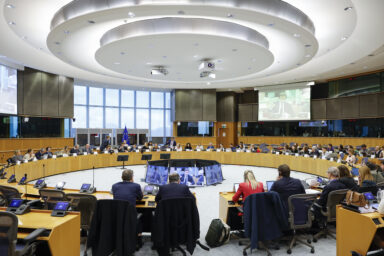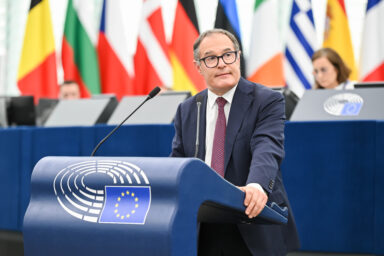

Commissioners Maroš Šefčovič and Christophe Hansen on Friday, 13 February met in Brussels with Australia’s Minister for Trade and Tourism Donald Farrell to drive further progress on the EU-Australia Free Trade Agreement negotiations. The high-level meeting precedes the planned Commission President’s trip to Canberra where the landmark trade deal should be signed.
Mr Šefčovič (Commissioner for Trade and Economic Security) and Mr Hansen (Commissioner for Agriculture and Food) in negotiations with Australia’s Minister Donald Farrell attempted to remove the final obstacles standing in the way of a landmark trade agreement between the EU and Australia. Minister Farrell also discussed other trade-related issues of common interest, notably WTO reform.
Talks between the two sides on removing or easing trade barriers have been going on for many years. Negotiations, however, reached an impasse in 2023 due to disagreements over quotas on beef and lamb.
Though Commission President Ursula Von der Leyen has yet to confirm a visit to Australia to seal the deal, the agreement seems closer than ever before. Tense geopolitical situation drives both parties to diversify their trading partners in the wake of US President Donald Trump’s assault on the global trading system.
You might be interested
Cars, critical minerals, labour mobility
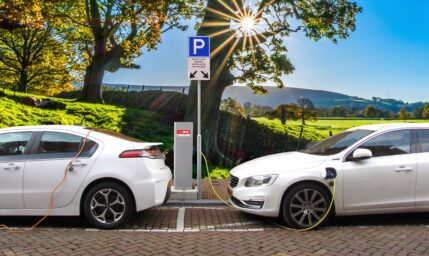
If the deal is signed, one of the most visible changes would be the removal of the tariff levied on European cars, which could cut the price of a BMW, Audi, Alfa Romeo or Renault on Australian market. Other benefits would unlock opportunities across critical minerals, worker mobility, investment, carbon market cooperation, and digital trade.
That includes a proposed labour mobility scheme that would allow EU citizens to live and work in Australia and vice versa. This is designed for genuine career moves, mutual recognition of professional qualifications, and long-term economic integration.
Trade modest so far
According to Commission’s official data, the trade relations between the EU and Australia remain relatively modest so far. At least from the European perspective. In 2024, Australia ranked as the EU’s 20th biggest partner for trade in goods, accounting for just 1 per cent of the EU’s total trade. Seen from Australia, however, the picture looks differently: the EU was Australia’s third-largest trading partner after China and Japan (with 8.6 per cent of the total).
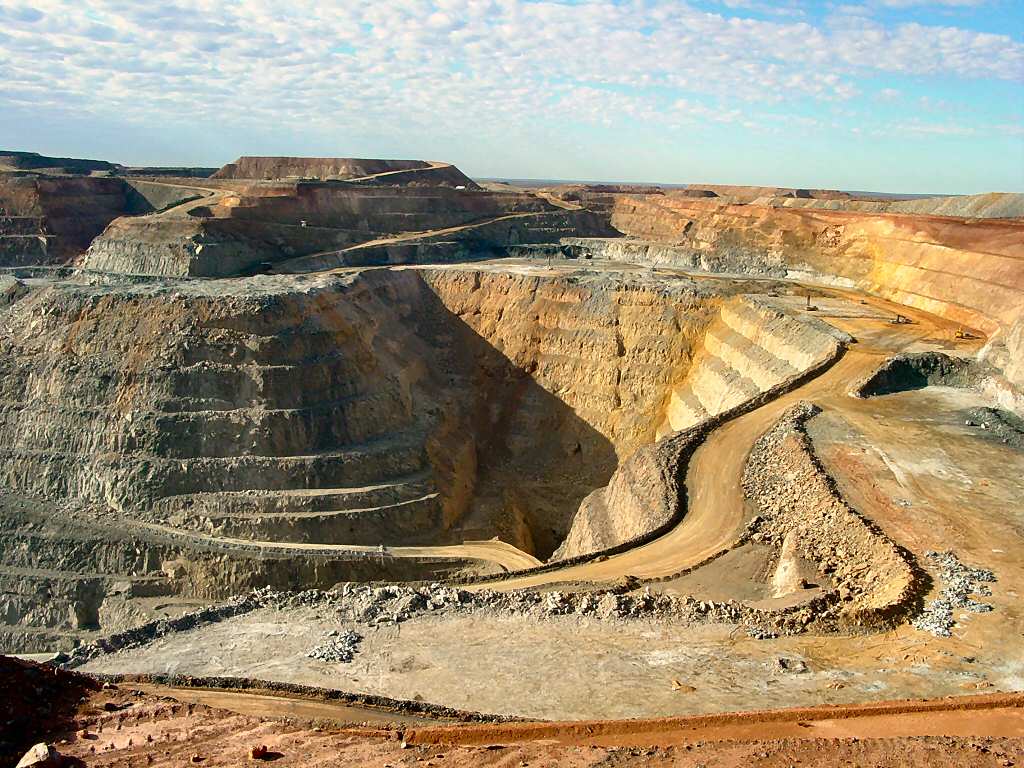
The EU’s goods imports from Australia mainly comprised mineral products and vegetable products. Its main exports to Australia consisted of machinery and appliances, transport equipment, and chemicals.
In 2024, the stock of EU foreign direct investment in Australia amounted to €122.8bn and the stock of Australia’s investment in the EU was €25.2bn.