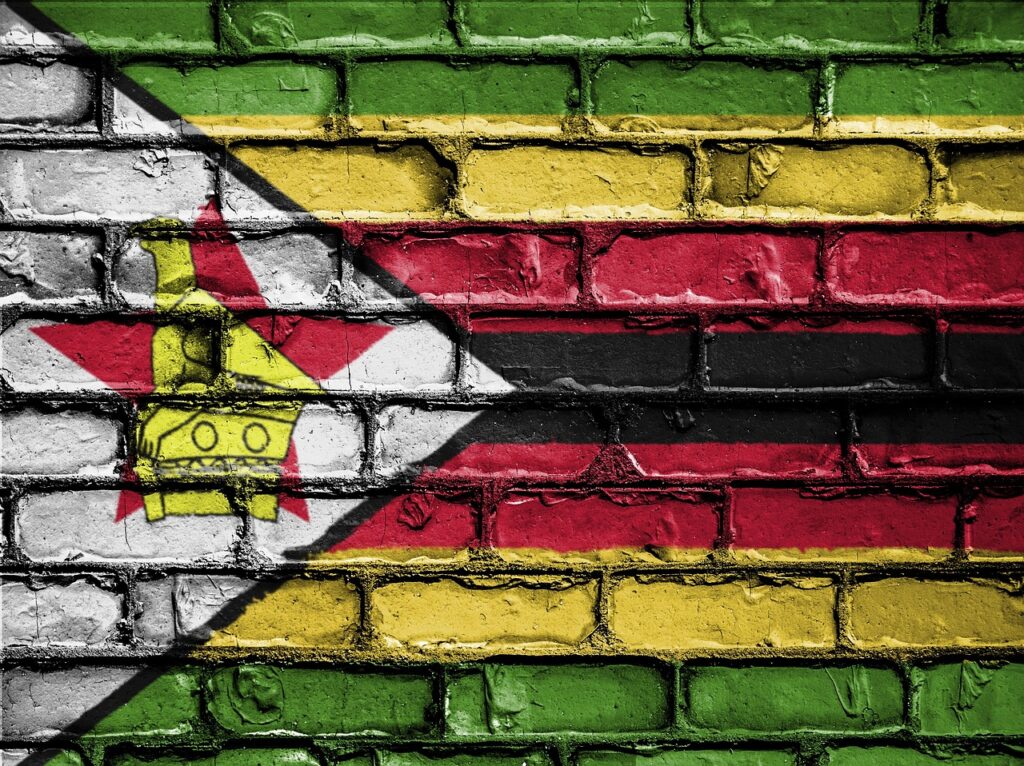

The European Union has decided to thin the thicket of its restrictions on Zimbabwe. The Council of the EU announced the bloc will maintain its arms embargo for another year. It has, however, moved to scrap the remaining travel bans and asset freezes that once targeted the country’s elite.
The decision, announced on 17 February after an annual review, marks a pivot toward re-engagement. According to the Council, “The EU remains constructively engaged with Zimbabwe and looks forward to deepening the bilateral relations across a broad range of areas of mutual interest, including on trade and investment.” This softening suggests that the days of the broad, targeted blacklist are fading into history, even if the weapons ban remains in place until at least 20 February 2027.
Brussels first reached for these tools more than two decades ago. In February 2002, the EU responded to a deteriorating situation on the ground. Between 2000 and 2002, fast-track land seizures and state-sponsored violence triggered an economic collapse. Subsequent elections were marred by systematic intimidation. A presidential run-off in June 2008 saw hundreds of people killed or injured, eventually forcing the opposition MDC-T to withdraw from the race.
A legacy of friction
A power-sharing deal in 2009, known as the Government of National Unity, managed to stop the bleeding of hyper-inflation. However, progress on the rule of law and the reform of the security sector remained sluggish. By 2011, the EU judged that improvements were insufficient and reversible. Officials pointed to the continued harassment of activists and the selective application of justice by the authorities in Harare.
On February 15th 2011, the Council adopted a new legal framework that formalised these frustrations. These restrictive measures included a ban on the sale or transit of arms and equipment that the government could use for internal repression. It also hit hard at the individuals behind the abuses. At its peak, the EU froze the assets of 163 people and 31 entities linked to the undermining of democracy.
You might be interested

Listed individuals also faced a travel ban—preventing them from entering or transiting through the EU—while most direct government-to-government development aid stayed suspended. Yet the regime was never static. From 2013 onwards, following constitutional reforms, the EU began a process of large-scale delisting. By removing most individuals from the blacklist, the bloc demonstrated its preference for a graduated approach to diplomacy.
Graduated pressure
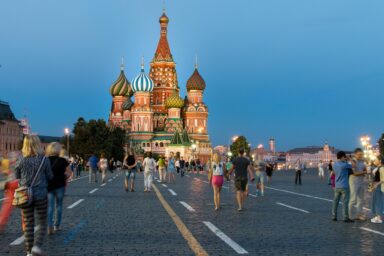
The light touch applied to Zimbabwe stands in sharp contrast to the economic war currently being waged against Russia. While the Zimbabwe sanctions were targeted and largely symbolic, the measures against Russia are comprehensive. They span finance, energy, and technology. The EU escalated those sanctions to defend core security interests in Europe, whereas the measures in Zimbabwe aimed primarily to pressure the regime for better governance.
The EU will continue to monitor the effectiveness of these measures in light of any future developments. — EU Council
The evolution of these two regimes has followed different paths. The list of sanctioned Russian and Myanmar entities has grown rapidly in response to war and coups. Zimbabwe’s list has shrunk. This reflects the EU’s practice of tailoring the depth and duration of its measures to the perceived gravity of the situation. While Myanmar faces widening sector-selective measures, Zimbabwe is being welcomed back into the fold of trade and investment.
The Council is not, however, looking away entirely. Officials noted that “The EU will continue to monitor the effectiveness of these measures in light of any future developments.” For now, the arms embargo serves as a final, lingering reminder of a violent past. But the lifting of financial and travel restrictions signals that, in the eyes of Brussels, the era of treating Zimbabwe as a total pariah has come to an end.