
Energy security, the war in Ukraine and mounting pressure on electricity systems dominated discussions at the International Energy Agency’s annual ministerial meeting in Paris, as governments warned that rapid electrification and geopolitical tensions are reshaping the global energy landscape.
French President Emmanuel Macron opened the meeting by underlining the IEA’s role in navigating both energy security and the clean transition.
“Through this in-depth analysis and the technical expertise of its team,” he said, “the IEA plays an essential role. It enlightens us to help us guarantee our energy security and steer the energy transition.”
And President Macron underlined access to affordable energy remaining central to economic stability and social cohesion.
You might be interested
“Access for our citizens, our businesses, to clean, reliable, sovereign energy at an affordable price (…) is essential for a just and balanced development.”
The IEA ministerial brings together energy ministers, regulators and industry leaders from around the world to shape policy direction on energy markets, security and the transition to low-carbon systems. This year’s meeting comes as governments grapple with rising electricity demand, geopolitical risks and concerns over industrial competitiveness — particularly in Europe.
Ukraine and the vulnerability of energy systems
The war in Ukraine framed much of the early discussion, with ministers pointing to repeated Russian attacks on energy infrastructure and the broader implications for European and global energy security.
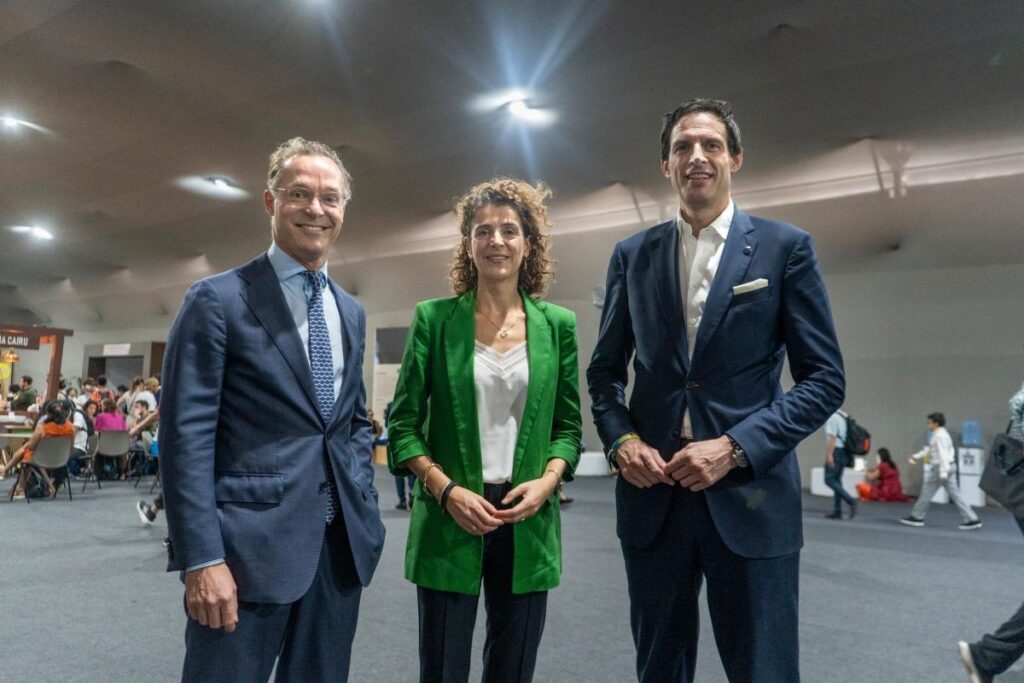
Dutch Deputy Prime Minister Sophie Hermans, chairing the meeting, drew a direct link between the conflict and Europe’s energy outlook.
“Ukraine’s energy security is our energy security.”
She referenced ongoing efforts to stabilise Ukraine’s system and stressed the importance of cooperation between governments and international institutions to protect supply, rebuild infrastructure and maintain resilience under sustained pressure.
Participants described the conflict as a turning point that has reshaped how governments think about strategic dependencies — not only on fossil fuels but also on electricity systems, technology supply chains and critical raw materials. The vulnerability of power networks, and the need for diversification and resilience, were repeatedly cited as central lessons from the war.
Grids, electrification and infrastructure strain
Ms Hermans warned that electrification and decentralised energy production are already creating structural strains in European energy systems, particularly electricity networks.
“In the Netherlands, this combination has led to severe grid congestion problems. Currently, it has become virtually impossible to acquire a new grid connection for either production or consumption in a decent amount of time.”
She said surging demand from artificial intelligence, data centres, electric vehicles and industry was accelerating what the IEA calls the “age of electricity”, forcing governments to rethink infrastructure planning, supply chains and innovation policy.
The discussion also highlighted the growing mismatch between rapid clean-energy deployment and slower grid expansion, with officials warning that permitting delays, infrastructure bottlenecks and rising demand risk constraining both economic growth and the energy transition.
Geopolitics and the global energy order
IEA Executive Director Fatih Birol said the meeting was taking place at a moment of heightened geopolitical pressure on energy markets.
“Geopolitics (…) dominate the decisions on the energy sector. They are casting a long and dark shadow on energy.”
He described the gathering as unusually consequential in both scale and timing.
“This is perhaps the most consequential ministerial meeting of the IEA (…) almost 60 governments, over 50 executives across the energy sector, and over 1,100 participants.”
Mr Birol also highlighted the agency’s expanding global reach, announcing Colombia would join as a member and that Brazil and India were moving closer to full accession, reflecting the shifting centre of gravity in global energy demand.
EU competitiveness and investment pressure
For European policymakers, the themes discussed in Paris —grid congestion, electrification, investment needs and strategic dependencies— are increasingly tied to competitiveness and industrial policy. Rapid growth in electricity demand from AI and heavy industry is colliding with slow infrastructure rollout and permitting delays, raising concerns about supply constraints and higher costs.
The debate comes as the EU seeks to accelerate clean energy deployment while maintaining affordable prices for households and businesses. Industry groups have warned that grid bottlenecks and energy costs risk undermining investment and manufacturing capacity in Europe if infrastructure fails to keep pace with demand.
European Commission Executive Vice-President Teresa Ribera attended the ministerial, as Brussels weighs how to balance the clean transition with competitiveness, energy security and infrastructure investment — themes repeatedly raised throughout the opening session.
Across the discussions, speakers returned to the same tension: how to secure reliable and affordable energy while electrification accelerates and geopolitical risks continue to shape markets. With electricity demand rising sharply and supply chains under strain, energy policy is increasingly being treated not only as a climate question, but as one of economic security and strategic resilience.