
On Wednesday, the European Commission proposed opening negotiations with Albania, Bosnia and Herzegovina, Kosovo, Montenegro, North Macedonia and Serbia to integrate them into the EU’s “Roaming like at home” regime.
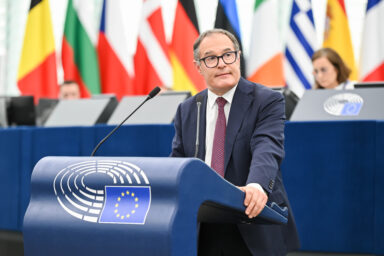
The idea is for both EU and Western Balkan citizens to be able to travel, make calls, send text messages, and use mobile data without additional roaming costs,” said European Commission spokesperson Ricardo Cardoso, answering journalists’ questions during the daily press briefing.
Negotiations opened
“Roaming like at home” is the European Union program that allows EU citizens to use their phones abroad in other EU/EEA countries under the same conditions as in their own country, without additional costs for calls, text messages, and data. It has been in force since June 15, 2017, and has been renewed until 2032.
Getting on board requires a number of steps: it begins with the proposed negotiating mandate, adopted Wednesday, with which the Commission requests the Council’s authorisation to open negotiations with Western Balkans partners, the spokesperson explained. Once adopted by the Council, the Commission will negotiate bilateral agreements with each of the Western Balkan partners. “Naturally, the prerequisite for accessing the EU roaming area and participating in the Roam like at home regime is full alignment with the relevant roaming legislation. This part is quite complex, and the timing depends on the willingness of each Western Balkan partner to conclude bilateral agreements with the EU and ensure full alignment with the relevant legislation,” he concluded.
The effects on the people, waiting the Enlargement
“Roaming charges are a problem for people across the Western Balkans. They affect workers crossing borders or families who simply want to stay in touch. Surprise bills or higher charges when traveling are something we no longer know inside the EU,” said Commissioner for Enlargement, Marta Kos. These voluntary initiatives allow travelers to already benefit from reduced roaming charges when moving between the two regions. In addition, citizens of the Western Balkans benefit from reduced tariffs when traveling within the region, under the Western Balkans regional roaming agreement.
As the European Commission stated, the proposal is a concrete example of the EU’s approach to gradual integration ahead of EU accession, as set out in the 2023 Growth Plan for the Western Balkans. “This phased approach delivers tangible benefits for citizens and businesses already before full membership, while remaining firmly anchored in the enlargement process”.