
EU lawmakers are moving to lock in long-term protection for the steel industry as global overcapacity continues to rise and existing WTO safeguards approach their expiry next summer. Last week, the European Parliament’s International Trade Committee (INTA) adopted its position on a new regulation designed to shield the EU market from sustained import pressure, backing deeper quota cuts, higher duties, stricter traceability rules and a full ban on Russian and Belarusian steel.
The proposal was approved by 36 votes in favour, two against and five abstentions, giving EU Parliament a mandate to begin negotiations with member states.
It is intended to replace the global steel safeguards introduced in 2018 under World Trade Organisation rules, which will lapse on 30 June 2026 after reaching their eight-year time limit. Lawmakers maintain that letting those safeguards expire without a successor would leave EU producers exposed to structural global overcapacity that has increased rather than eased in recent years.
Sharp reduction
Under the committee’s position, tariff-free steel import quotas would be sharply reduced to 18.3 million tonnes a year, a cut of 47 per cent compared with 2024 levels. Imports above that threshold, as well as steel products falling outside the quota system, would be subject to a 50 per cent customs duty, significantly raising the cost of excess volumes entering the EU market.
The measures reflect concern that sustained low-priced imports have squeezed margins across the sector, contributing to job losses, low-capacity utilisation and weak investment at a time when steelmakers are expected to finance costly decarbonisation and modernisation efforts.
You might be interested

Trade defence tightened alongside monitoring and WTO compliance
MEPs also endorsed tighter traceability requirements for imported steel, clarifying the documentation importers must provide to demonstrate the origin of their products. The aim is to prevent circumvention of quotas through complex supply chains or trans-shipment practices, while ensuring the new regime remains fully compatible with WTO rules. The committee asked the European Commission to closely monitor the impact of the measures and assess whether the scope of covered products may need adjustment over time.
In a further geopolitical signal, the draft regulation would ban all steel imports from Russia and Belarus, extending existing EU import restrictions on the two countries to cover steel comprehensively and beyond current sanctions carve-outs. At the same time, the committee backed continued tariff-free trade with Ukraine.
Steel policy framed as part of Europe’s strategic resilience agenda
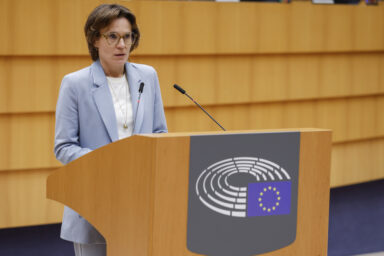
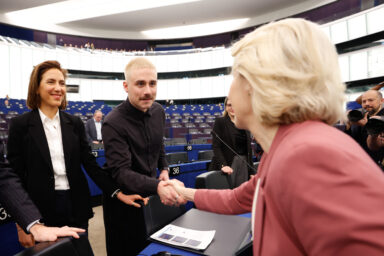
Following the vote, rapporteur Karin Karlsbro described the package as both an industrial and strategic response to mounting global uncertainty. “Steel production is a strategic priority for Europe. In times of geopolitical uncertainty, the strength of our steel industry is central to Europe’s resilience. Today, we have said yes to continued tariff-free trade with Ukraine and no to Russian steel imports into the EU. This is a clear demonstration of European resolve,” she said.
With the committee also approving the launch of negotiations with the council, lawmakers are aiming to reach agreement on the final shape of the regulation in the spring. The push reflects a broader effort to avoid a sudden and destabilising exposure of the EU steel sector once WTO safeguards expire, and to replace temporary emergency measures with a more durable trade defence framework.