
The EU’s main programme for promoting innovation in agriculture is underperforming even after almost €1bn in public investment. So says a special report from the European Court of Auditors (ECA). The EIP-AGRI initiative, the auditors say, has failed to deliver on its promise of producing farm innovation with widespread practical use.
The EIP-AGRI programme originated as part of the 2014–2022 CAP programmes. It has provided funding for more than 4,000 projects that brought farmers, scientists, advisers and agrifood businesses together. The aim was to boost their productivity and sustainability.
The programme remains a central element in the European Commission’s innovation strategy for agriculture. However, the Court of Auditors has found flaws in its design and implementation that limited its effectiveness.
Not enough focus on farmers
The first main finding is a familiar one. The EIP-AGRI programme has not focused enough on the needs of farmers. More than 25 per cent of the 70 projects the ECA probed related only indirectly (or not at all) to the role of farmers. In several cases, the projects concerned issues of downstream food processing or branding rather than the primary production.
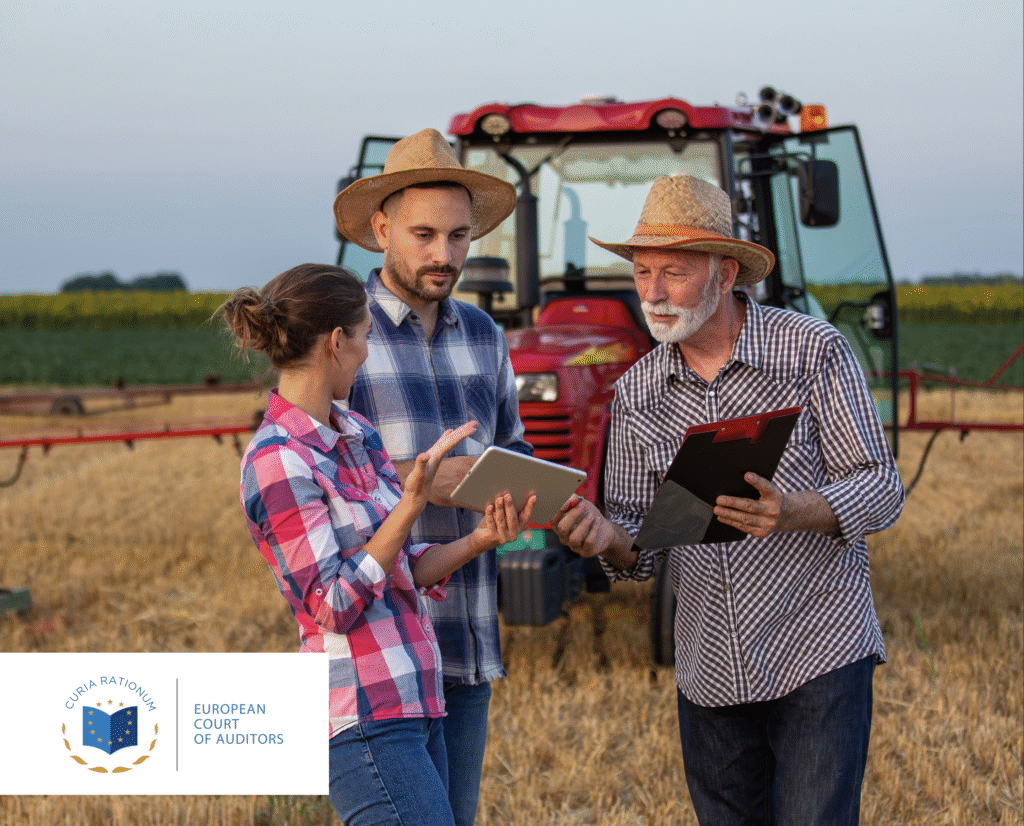
The EIP-AGRI was to be a bottom-up approach to addressing practical challenges on farms. The auditors found, however, that farmers did not play an active role in more than half of the examined projects. In the cases of their involvement from beginning to end, the projects generated much better innovation.
You might be interested

The press release on the report mentions missed opportunities. Farmers’ needs were not systematically the focal points of the projects, even though “the chances of success were far greater” with the farmers’ direct involvement.
Selection and quality
The auditors’ second main observation is related to the robustness of project selection procedures. Only 18 of the 70 projects examined by the auditors satisfied all four criteria a successful innovation requires. According to the criteria, the project is to test a new or context specific idea, put it into practice, demonstrate its utility and achieve a level of uptake across the relevant population.
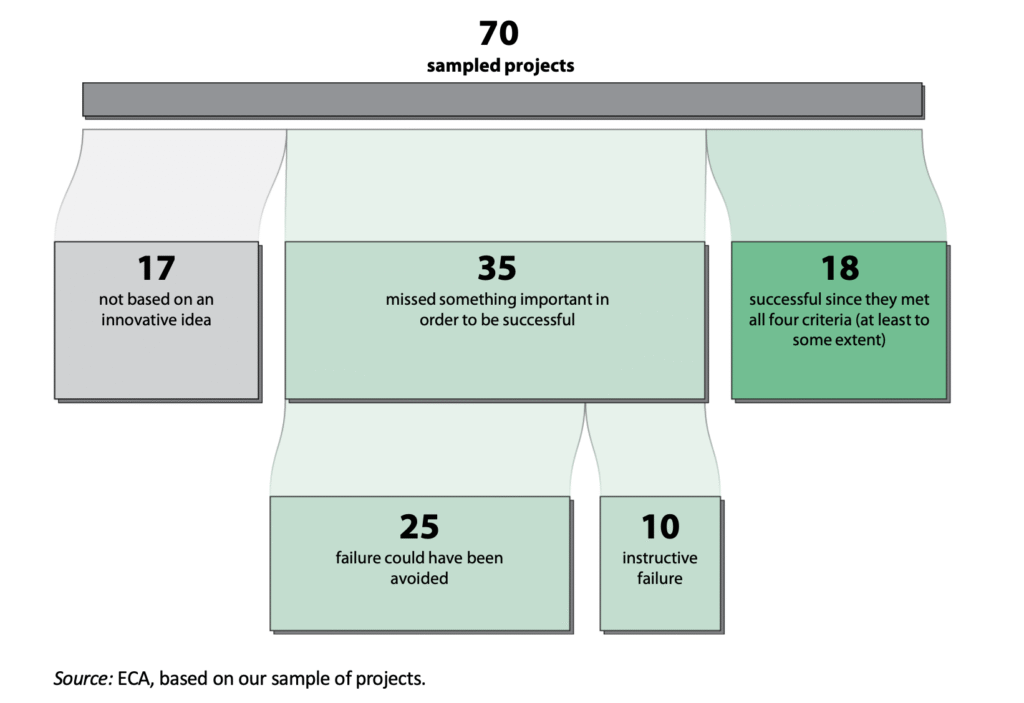
The ECA says project selection processes often did not use innovativeness as a relevant criterion for funding the projects. The auditors also found no competitive pressure for financial assistance among the six member states sampled for the study (Belgium, Bulgaria, France, Germany, Greece, and Ireland). In some instances, a large amount of project funding went to activities that did not represent an innovation at all.
Dissemination, synergy gaps
Another finding of the auditors indicates that members of research teams did not adequately share the results of their projects. Most of the projects did incur costs for communicating their findings, but of those which were based on an innovative idea only around half made its results and knowledge publicly available. Only six of the eighteen projects that satisfied all four requirements for a successful project, however, managed to inspire others.
This missed-opportunity issue was further exacerbated by other facts. “Member states rarely promoted promising innovations using training, advisory services or educational measures even though this type of expenditure is eligible under CAP funding rules,” the ECA report reads.
The role of innovation in the agriculture sector will increase under the policy framework of whatever remains of the CAP programme for 2023–2027. The European Commission has already identified EIP-AGRI as a key building block in the agricultural knowledge and innovation systems of member states under this programme.
Possible implications for CAP programmes
The auditors recommend, in light of this finding, that efforts be made to re-focus the instrument on practical challenges in agriculture within this programme period. They also recommend improvements to project selection procedures and recommendations for dissemination of results should be clarified.
For policymakers and stakeholders in EU agriculture, however, there is one overarching challenge. The issue at hand is, how to turn project funding that requires the cooperation and participation of farmers into benefits that can be observed not just by those who participated but also by their fellow farmers?
Without focusing on the challenges that face EU farmers today, without improving project selection procedures and without systematic sharing of knowledge gained and lessons learned, say the auditors, public funding will only succeed in producing isolated success stories for a few —rather than transforming EU agriculture into something useful for farmers who need better solutions.