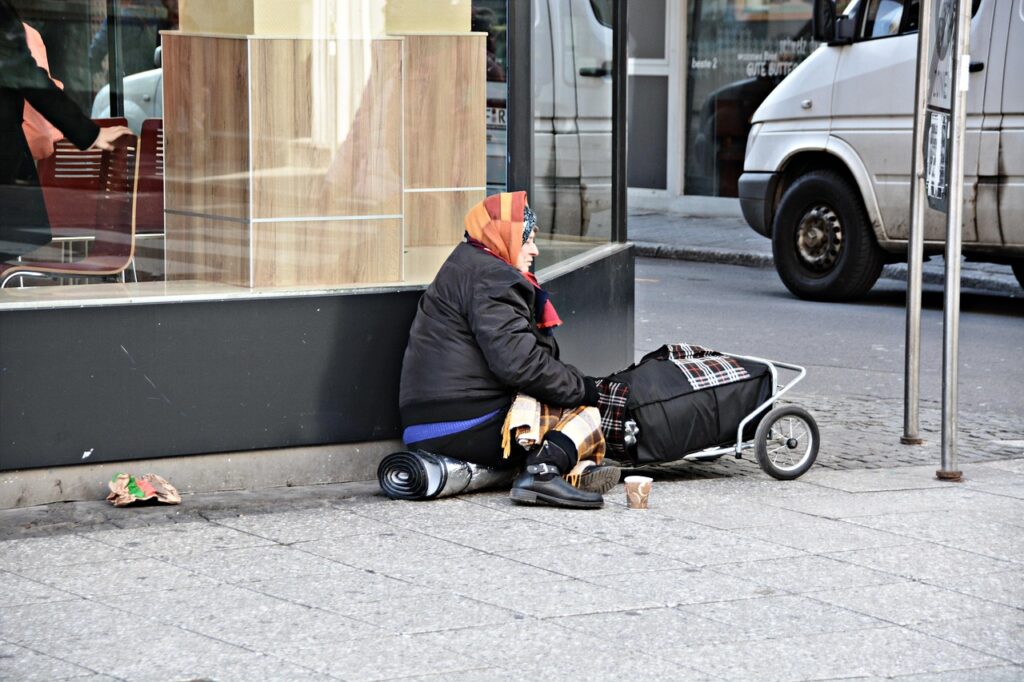

MEPs want the Commission to recognise poverty as a violation of human dignity in its upcoming Anti-Poverty Strategy and want to see it work urgently to eradicate poverty in the Union by 2035. Parliamentarians also call for adequate budgetary resources for anti-poverty measures in the EU’s long-term budget and for proper coordination between the EU and its member states.
A vast majority of MEPs voted in favour of Parliament’s own-initiative report on poverty and social exclusion. The text was adopted by 385 votes in favour and 141 against, with 53 abstentions. Focus must be on fighting child poverty, which affects one in four European children, the document says. Employment and access to housing and public services are seen as key to reducing poverty.
In July 2025, Commission has called on citizens, experts and organisations to help shape the EU’s first Anti-Poverty Strategy. The strategy aims to provide essential protection to people that need it the most and tackle the root causes of poverty. It will also play a pivotal role in implementing the European Pillar of Social Rights.
Minimum wage, reduction of inequalitis
EU action to address poverty has so far mainly relied on policy coordination, targets and recommendations, occasionally complemented by EU legislation to tackle in-work poverty, such as the Minimum Wage Directive. In recent years, Parliament has adopted several relevant resolutions, including on topics such as the European Child Guarantee, homelessness and reducing inequalities, with a particular focus on in-work poverty.
Parliament has also adopted a resolution on adequate minimum income in follow-up to a Council recommendation, which guides member states on improving the adequacy and coverage of minimum income schemes and is monitored by the European Commission.
You might be interested

Modest decline since 2019
Currently, EU-level data indicate a modest decline in the number of people at risk of poverty since 2019. In total, however, progress has remained limited, and recent increases have been recorded among certain population groups, including children.
The Anti-Poverty Strategy must address the structural causes of poverty, promote a fairer distribution of wealth, improve working conditions, and guarantee access to decent housing. – Rapporteur João Oliveira (The Left, PRT)
“The Anti-Poverty Strategy must be ambitious. It must address the structural causes of poverty, promote a fairer distribution of wealth, improve working conditions, ensure robust investment in public services, and guarantee access to decent housing for all. The active participation of people experiencing poverty in the design of the policies, as well as an adequate budget, are essential to achieve this,” said Rapporteur João Oliveira (The Left, PRT).