
Ukraine cautiously welcomed Abu Dhabi ceasefire talks with Moscow on Wednesday night. Meanwhile, Russian ballistic missiles flew in unprecedented numbers and the EU sped up the delivery of its €90bn loan agreed in December.
Russian and Ukrainian negotiators slipped into the marble halls of Abu Dhabi’s foreign-ministry compound on 4 February. The United States, represented by special envoy Steve Witkoff and presidential adviser Jared Kushner, occupied the central seats at a U-shaped table. Rustem Umerov, head of Ukraine’s National Security and Defence Council, emerged after the first session sounding guardedly upbeat. “The work was substantive and productive, focused on concrete steps and practical solutions,” he said. Behind the diplomatic choreography, Russian missiles kept falling on Ukrainian cities.
As leaders shook hands, however, cluster munitions tore through a market in the Donetsk region, killing at least seven people and wounding many more, according to Governor Vadym Filashkin. President Volodymyr Zelenskyy, who had accused Moscow of using a recent American-brokered energy truce to reload its launchers, now faces a record tempo of ballistic strikes. Russian forces have already fired more missiles this year than during the same period in 2025.
Glimmers in the Gulf
Moscow’s public position remains unchanged. The Kremlin insists that Kyiv must cede the remaining parts of Donetsk and relinquish any claim to the Zaporizhzhia nuclear plant. Ukraine rejects surrender. Andrii Sybiha, Ukraine’s foreign minister, punched out the official line. “Russia is not winning its war against Ukraine,” he told Liga, an online outlet. He argued that Moscow pays dearly in soldiers and roubles for every metre gained.
Even so, pragmatists in Kyiv spy potential advantages in talking. The Abu Dhabi format, with Americans at the table but out of the spotlight, spares Ukraine the optics of direct bilateral bargaining. It also forces Russia to engage publicly rather than hide behind intermediaries. A source close to the organisers says the delegations will reconvene on 5 February, after Mr Umerov reports to Mr Zelenskyy.
You might be interested
Washington craves movement. President Donald Trump, busy courting swing voters ahead of November’s midterm election, wants a foreign-policy trophy. A ceasefire—however fragile—could qualify. Yet his envoys, mindful of past failures, try not to overpromise. American officials frame their task as ‘shuttle engineering‘, welding narrow agreements on prisoner exchanges, energy infrastructure and grain exports into something sturdier. Mr Trump will bless any arrangement only if it looks like victory.
Money for the front line
Europe hopes for more than headlines. EU leaders fret that another winter of bombardment will drive refugees westward and shake energy markets anew. They also fear that America’s attention could drift. Hence a new loan package, hammered out by ambassadors in Brussels on 4 February.
Russia is not winning its war against Ukraine. — Andrii Sybiha, Ukraine’s foreign minister
The deal promises €90bn for Kyiv in 2026-27, two-thirds earmarked for weapons. The Council of the EU spelled out strict rules. “Defence products should in principle only be procured from companies in the EU, Ukraine, or EEA-EFTA countries. Should Ukraine’s military needs require the urgent delivery of a defence product which happens not to be available in the EU, Ukraine or an EEA-EFTA country, a set of targeted derogations would apply,” it said. The loan still needs approval from the European Parliament, but officials hope to release the first tranche in April.
That cash cannot stop Russian drones. It can, though, keep Ukrainian factories running and reassure creditors. Kyiv’s budget, stretched by falling tax receipts and rising military pay, needs €3-4bn a month. The International Monetary Fund says the government avoided default last year only because partners wired €37bn.
Stakes at the table
On the battlefield, Russia holds roughly a fifth of Ukrainian territory. Analysts calculate that since January 2024 Moscow has advanced by just 1.5 per cent of Ukraine’s landmass—a costly crawl achieved with human-wave assaults and artillery barrages. Western spies believe the Kremlin will press harder before spring mud stalls tanks.
The Abu Dhabi talks therefore circle three immediate issues. First, both sides want reliable humanitarian corridors to swap prisoners and retrieve bodies. Second, engineers require safe access to Zaporizhzhia’s reactors. Third, traders plead for protected shipping lanes through the Black Sea. Progress on any point could build trust; failure could doom the dialogue.
Public opinion tugs at the negotiators. Polls show most Ukrainians oppose granting Moscow more land. In Kyiv, citizens doubt that words alone will halt cruise missiles. Serhii, a 38-year-old taxi driver, voiced the street mood. “Let’s hope that it will change something, of course. But I don’t believe it will change anything now. We will not give in, and they will not give in either.”
Russia, for its part, trumpets resolve. Dmitry Peskov, the Kremlin’s spokesman, vows that troops will fight until Kyiv makes what he calls “decisions”. Yet Russia’s budget groans. Economists whisper that the deficit could triple official targets by 2026. Oil revenues sag under price caps, while military outlays climb.
Gulf calculus
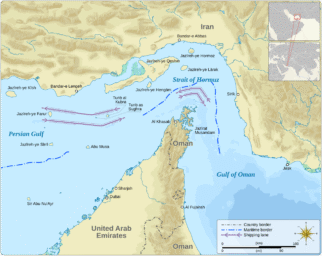
The United Arab Emirates, keen to polish its mediator credentials, offers neutral ground and deep pockets. Abu Dhabi handles Russian oil trades and Ukrainian grain swaps with equal discretion. For the hosts, brokering even a partial lull would crown years of soft-power investment. Success, however, depends on Moscow’s readiness to freeze the front and Washington’s readiness to guarantee security.
Defence products should in principle only be procured from companies in the EU, Ukraine, or EEA-EFTA countries. — the EU Council
The Kremlin confirmed there were ongoing technical discussions between Russia and France after French president Emmanuel Macron suggested Europe should re-engage with Vladimir Putin. The Kremlin did not indicate any current dialogue between Putin and Macron. The European Commission indicated during Wednesday’s midday press meeting that it was not aware of any talks, even as its spokesperson ducked a direct question on the topic.
For now the war grinds on. Each Russian missile that slams into an apartment block reminds Ukrainians why they fight. Each EU loan document reminds them who pays. The Abu Dhabi round may end with nothing more than a joint statement. Yet even that could matter.