
Uruguay and Argentina have ratified the long-awaited trade agreement between the European Union and the Mercosur bloc, pushing the 25-year-old accord a decisive step closer to implementation and shifting the political burden squarely onto Brussels.
The Mercosur states have made clear they want the process to move forward: both chambers of Uruguay’s parliament approved the pact by overwhelming margins. In Argentina, the Senate endorsed it by 69 votes to 3 after earlier backing in the Chamber of Deputies. The scale of those majorities reflects a clear political choice to conclude a negotiation that has stretched across a generation.
Brazil and Paraguay, Mercosur’s other founding members, are expected to complete their ratification processes in the coming weeks. Once they do, the South American bloc will have formally cleared its side of the agreement, leaving Europe as the only remaining area of uncertainty, where approval by EU institutions and potentially national parliaments is still required.
Historic vote
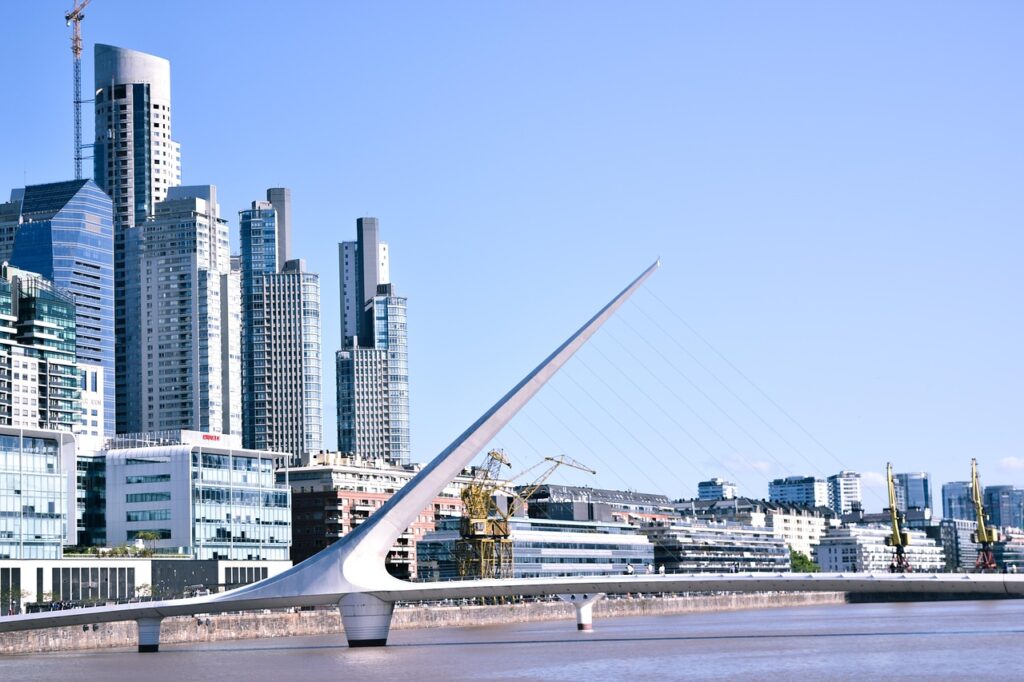
Argentine media framed the ratification as a move to secure export growth and embed the country within one of the world’s largest trading blocs at a time of shifting global alignments. Speaking on behalf of the governing coalition, Senator Francisco Paoltroni was quoted by the Buenos Aires Times as saying the agreement would boost Argentina’s export potential in key sectors including minerals, hydrocarbons and regional industries. He described the vote as the culmination of a 25-year process and framed it as a turning point for parts of the country he said had long been overlooked.
“It is a historic day,” Paoltroni told the Senate during the debate, adding that the EU–Mercosur accord “opens a path to development for our republic and for the interior that has waited decades for this opportunity.”
You might be interested

What will be affected
Formally signed in January 2026, the agreement is on track to create one of the world’s largest free trade areas, linking economies representing more than 700 million people and roughly a quarter of global GDP. It provides for the gradual reduction or elimination of tariffs across a broad range of goods, from European vehicles and machinery to South American agricultural exports.
Under the terms of the agreement, tariffs would be reduced or phased out on industrial goods, offering European exporters improved access to Mercosur markets. In return, Mercosur producers would gain preferential quotas and access for agricultural products including beef, poultry and soy, subject to EU standards and regulatory safeguards – although some critics have not been allayed by even additional safety promises. They remain a point of contention, especially in the agrifood sector, which fears lower-quality products will flood their market at a distinct advantage.
European resistance
Despite Mercosur’s progress, the agreement continues to encounter resistance inside the EU. Farm organisations in France and other member states have mounted sustained opposition, warning that increased agricultural imports could undercut European producers operating under stricter environmental and labour rules. In December, many took part in protest convoys in France to make themselves heard.
Institutional questions add further complexity. A razor-thin vote (a difference of just 10 votes) in European Parliament in January sent the deal to the European Court of Justice for examination. The court is looking into aspects of the agreement’s legal basis, a move that is expected to delay implementation by months.
European Commission President Ursula von der Leyen has said there is “a clear interest” in ensuring the benefits of the agreement apply “as soon as possible”, and Commission officials have indicated the EU would be ready to proceed once Mercosur countries complete ratification, potentially through provisional application of trade elements, even as the court review continues.
The agreement may be signed, but it is not yet politically settled.
Current political and trade climate
The timing sharpens the stakes. Global trade policy has entered a period of renewed volatility, not least after the US Supreme Court struck down the sweeping tariffs imposed under emergency powers.
Against that backdrop, the EU–Mercosur agreement represents an effort to anchor trade relations in long-term rules rather than short-term leverage, its proponents argue. Whether Europe proceeds will signal how confident it remains in large-scale trade agreements at a time when political caution often outweighs commercial ambition.
After 25 years of negotiation, the deal is moving forward. But the next move —in Europe, not South America— will determine how quickly, if all obstacles are cleared — the final tumblers fall into place.