
The EU-Mercosur trade deal has barely been signed, and trouble is already gathering. Political resistance, legal scrutiny and new external pressures are converging just as Brussels tries to turn one of its most ambitious trade agreements into reality.
Now a new risk is emerging. Reporting suggests a simmering arrangement between Argentina and the US could allow American versions of European-branded foods onto the Argentine market. If a deal were struck between Donald Trump and what Politico describes as his “populist fellow traveller” Javier Milei, it would undermine one of the most consequential elements of the EU-Mercosur agreement: preventing the use of established European food names by producers with no connection to the regions where those products originate.
The names that matter
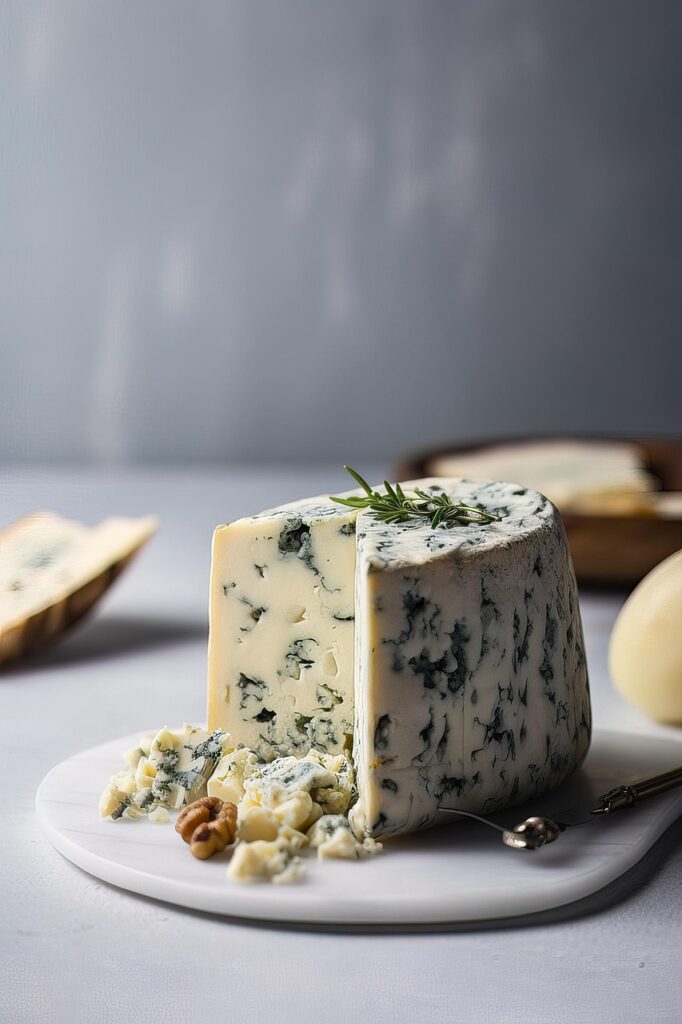
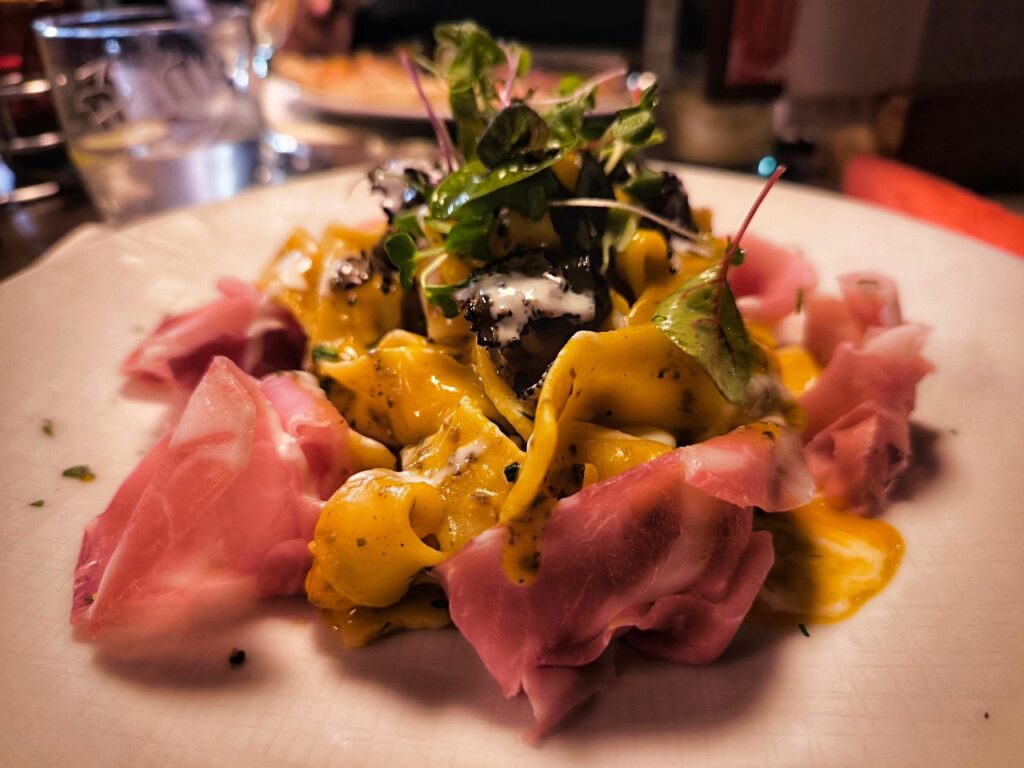
Even casual shoppers recognise that Parmigiano Reggiano or feta are not just products but names tied to origin and quality. Brussels aimed to extend that protection across South America to roughly 300 products through the Mercosur deal. But as ratification drags and lawmakers await a court assessment, there are growing worries Washington could move faster with Buenos Aires, complicating Europe’s push to lock in its geographical-indication system.
Mercosur, if ratified first, would shield European food and drink names from imitation across Argentina, Brazil, Paraguay and Uruguay, tying them legally to origin and production standards. Geographical indications are not just agricultural policy but a core export strategy and a means of projecting EU regulatory influence abroad. But what if it isn’t?
A success story at risk
In Brussels, Mercosur had been framed as a rare success for EU trade policy in an era shaped by Mr Trump’s spiralling tariff policies and economic nationalism. After more than two decades of negotiations, it was meant to show the EU could still get a big trade deal over the line when it mattered, while embedding its standards in global supply chains.. Protecting food names sat at the centre of that effort.
Timing now threatens that narrative. Ratification in Europe faces political resistance and legal review, while Mercosur countries move ahead with their own approval processes. At the same time, Washington’s engagement with Buenos Aires raises the prospect that bilateral commitments could take shape before the EU’s GI protections are operational. Reuters has reported that Brazil is examining whether the emerging US–Argentina arrangement could conflict with Mercosur rules — a sign of how quickly overlapping trade obligations are colliding.
You might be interested

Why Brussels cares
For the EU, the stakes go beyond a single agreement. Geographical indications anchor agricultural competitiveness, support premium pricing and reinforce Europe’s food-quality model abroad. If alternative trade arrangements allow look-alike products to gain a foothold before protections take effect, the EU risks weakening both the commercial value and the legal clarity of one of its most distinctive trade instruments.
The Mercosur agreement was meant to entrench those protections across a major export destination. The question now is whether Brussels can secure them in time.