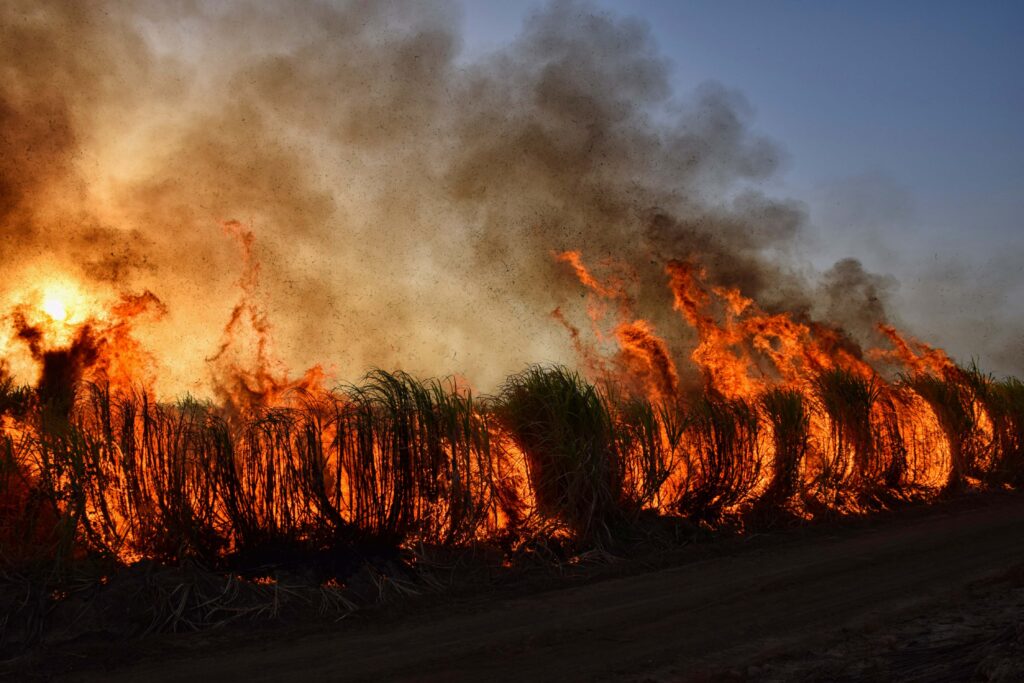

Europe’s fastest-warming regions stretch well beyond the south; Sweden now fears the same megafires once confined to Greece. The European Commission has presented a plan to minimise the damage through the use of more data, stricter risk assessments and a bigger fleet of shared water-bombers.
Wildfires, once marking the Mediterranean summer season, menace almost every corner of Europe. On 25 March the Commission outlined a continent-wide plan pitching ‘integrated wildfire risk management’ as the only way to cope with hotter, longer burning seasons. The blueprint links prevention, preparedness, response and recovery in one chain.
The communication sits under last year’s Preparedness Union Strategy, which tries to shift Europe from reacting to disasters towards anticipating them. Officials promise earlier warnings, tighter land-use rules and a Council Recommendation to keep capitals on the hook. No new money falls on treasuries, they say. Instead, the plan plugs into existing pots, such as the Union Civil Protection Mechanism and the Common Agricultural Policy, to pay for woodland thinning or volunteer training.
Facing the flames
Climate change forces the pace. In 2025 fires charred more than one million hectares of EU territory, the worst season on record. The Copernicus satellite service shows four of the past five years above average for burnt area. Damage to crops, homes and infrastructure already costs about €2.5bn a year.
Prevention leads the new doctrine. Brussels will publish updated risk-assessment guidelines that governments may fold into national plans, and it has released advice on managing Natura 2000 protected sites under a warming climate. “Our strategy is based on the age-old idea that prevention is better than cure,” said Environment Commissioner Jessika Roswall at Wednesday’s press conference.
You might be interested
Ms Roswall recalled that simple measures—grazing to cut undergrowth, wetland restoration to dampen soils—cut fire intensity while boosting rural economies. “Recovery is therefore an opportunity to modernise and invest in more resilient land use and local economies, including through nature-based solutions,” she added.
Nature alone cannot do the work. Most ignitions still start with people. “The truth is that up to 96 per cent are caused by us, through negligence or behaviour,” said Commission Executive Vice-President Roxana Mînzatu. Officials will widen public-awareness drives, feed fire-safety modules into youth programmes and encourage volunteer brigades. Ms Mînzatu underlined the civic duty: “If 96 per cent of wildfires are caused by us, it means we are all part of the solution.”
Tools at the ready
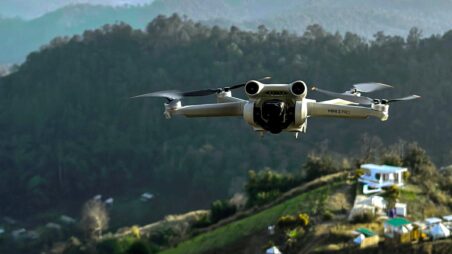
The Commission promises new guidance on using drones, sensors and artificial intelligence to spot trouble early. Member states will gain real-time feeds from an upgraded European Forest Fire Information System, fed by Copernicus satellites and partner agencies.
Preparedness means boots and rotors in the right place before sparks fly. The rescEU strategic reserve will add 12 fixed-wing water bombers and five helicopters. Bases will stretch from Portugal to Greece; the first helicopter arrived in Romania in January. Brussels will also pre-position firefighters in high-risk zones each summer and bankroll exchanges of crew chiefs and meteorologists.
Digital foresight joins the arsenal. “Our European Forest Fire Information System, based on our Copernicus satellite system, already helps us detect and map fires in real time,” noted Hadja Lahbib, EU commissioner for crisis management. Artificial-intelligence models will simulate fire spread, helping commanders decide when to evacuate villages or bulldoze firebreaks. Equipment matters too. “We are adding 12 firefighting planes and 5 helicopters to our rescEU fleet,” Ms Lahbib told reporters, promising seamless cross-border deployment when national assets tire.
Counting the cost
Citizens must help themselves. The Commission will design a toolkit for communities that straddle the wildland-urban interface, where suburban gardens touch pine needles. Pilot schools will test wildfire lessons for pupils; town halls will drill evacuation routes. A European Citizens Panel has started drafting ideas on funding volunteer brigades and mapping vulnerable elderly residents.
Recovery is therefore an opportunity to modernise and invest in more resilient land use and local economies, including through nature-based solutions. — Jessika Roswall, EU environment commissioner
Brussels insists the package will save money. Suppression flights gulp fuel and foam, and rebuilding torched vineyards drags on for years. Prevention, by contrast, relies on cheaper chores such as clearing deadwood or teaching tourists to snuff barbecues. The communication sets no price tag for member states but flags “sustained, long-term investments” as the only way to dodge rising bills. Officials hint that climate funds in the next Multi-annual Financial Framework, due from 2028, could bankroll more ecosystem-based projects.
The Preparedness Union ethos binds the many strands. Departments that rarely talk much—forestry, public health, infrastructure—should share risk maps and pool drills, says Brussels. National plans must mesh with EU satellites and aircraft, or gaps will gape as fires leap borders. Ms Mînzatu framed the shift starkly: the age of isolated interventions is over, solidarity pays.
Hectares versus euros
Europe also looks outward. Fire seasons now overlap with those of North Africa and the Balkans, raising the odds of simultaneous crises. The new firefighting hub in Cyprus will run joint drills with Southern Neighbourhood crews and house a ‘centre of excellence’ for hot-weather tactics. Expert swaps already send Czech teams to Greece; more will follow.
The Commission wants member states to endorse a Council Recommendation later this year. Progress reports will flow to the European Parliament, the Council, and two advisory committees. Officials promise to track hectares saved and response times shaved, not just euros spent.
For rural mayors, delivery cannot come soon enough. Longer dry spells stretch volunteer brigades, and insurance premiums climb. Yet the plan’s success rests on politics as much as meteorology. Thinning forests can anger conservationists; banning summer campfires can irk holidaymakers. Brussels supplies the framework, but town halls enforce firebreaks and fine rogue barbecuers.