
Europe’s electric vehicle transition is starting to wobble — and not by accident. After years of aggressive electrification targets, carmakers are now openly retreating, extending the life of combustion engines and hybrid models as demand softens and political pressure mounts.
The shift follows a pivotal moment in December, when the European Commission softened its stance under sustained pressure from the automotive industry, reopening the balance between climate ambition and industrial competitiveness. Campaigners had long warned this would happen. In an interview with EU Perspectives in December, Lucien Mathieu of Transport & Environment said the move sent “a damaging signal about Europe’s commitment to its climate targets.”
Industry recalibrates
Carmakers across Europe and beyond are now reassessing their electrification timelines, as weaker-than-expected demand and shifting policy signals complicate the transition.
Several major manufacturers have already softened or delayed their targets. Companies including Ford, Stellantis and Volvo have adjusted their timelines for going fully electric, while Honda has stepped back from plans to fully phase out combustion engines by 2040. Mercedes-Benz has also signalled a more gradual approach than previously outlined.
Luxury segment slows the shift
The shift is particularly visible in the luxury segment, where brands have begun extending the lifespan of petrol and hybrid models. Bentley has pushed back its all-electric ambitions and plans to continue offering plug-in hybrids beyond 2035, while Rolls-Royce has indicated it will continue producing petrol-engine cars into the next decade, Financial Times reports.
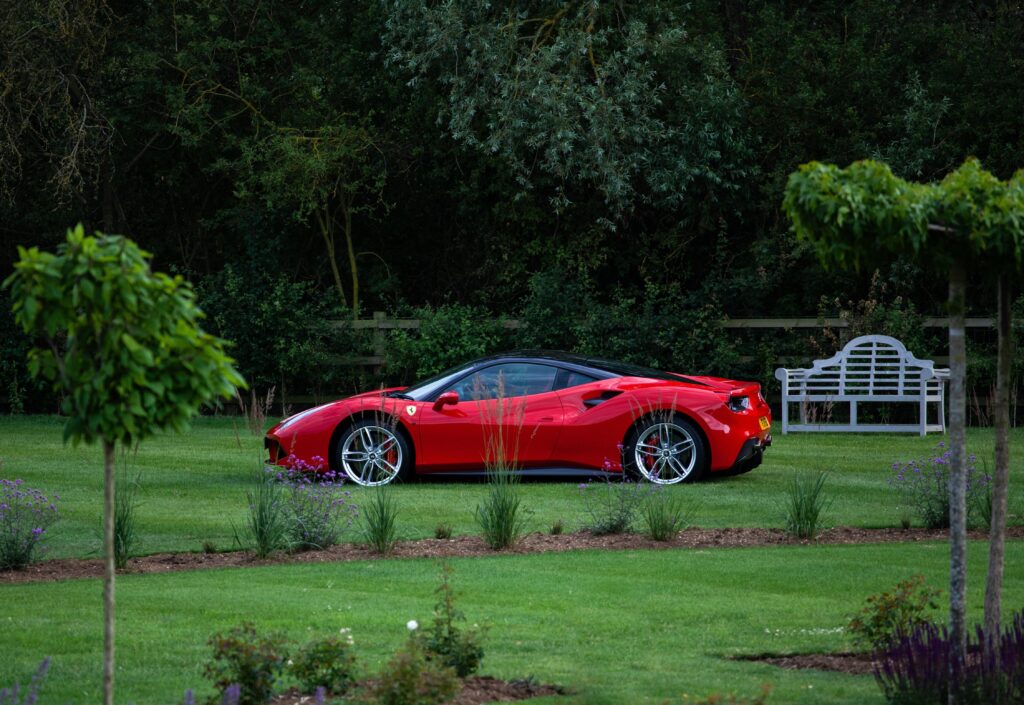
Elsewhere, Ferrari has scaled back its longer-term electrification targets even as it prepares to introduce its first battery-powered car, while Lamborghini has delayed the launch of its first fully electric model, opting instead for a hybrid version.
You might be interested

Policy headwinds return
The broader slowdown reflects not only consumer hesitation, but also a changing policy environment. In the United States, recent decisions to roll back subsidies and support for charging infrastructure have dampened momentum.
In Europe, policymakers have shown greater willingness to accommodate industry concerns around cost, jobs and competitiveness — a shift that risks weakening the regulatory pressure that had driven the transition in the first place.
A question of direction
The result is a more uncertain path forward. While most manufacturers remain committed in principle to electrification, timelines are stretching and interim technologies such as hybrids are regaining prominence.
That tension is now becoming harder to ignore. Extending combustion and hybrid line-ups into the next decade suggests manufacturers are seeking to capture as much remaining demand as possible before the EU’s 2035 phase-out begins to bite.
If carmakers are continuing to invest in those technologies so close to the regulatory deadline, it also points to a deeper uncertainty. As T&E’s Lucien Mathieu warned, reopening the framework risks “splitting investment, scale, and attention across multiple technologies,” ultimately slowing the transition rather than accelerating it.