Plastic fragments, damaged batteries and kilometres of fibre-optic cables are scattered across Ukraine’s frontline areas as drone warfare intensifies. Expert warns the debris could contaminate soil and water and pose new long-term risks to people and wildlife.
Leon Moreland, a researcher at the Conflict and Environment Observatory who studies the environmental impacts of armed conflict, spoke with EU Perspectives about the consequences of modern warfare.
What environmental impact is drone debris having in Ukraine?
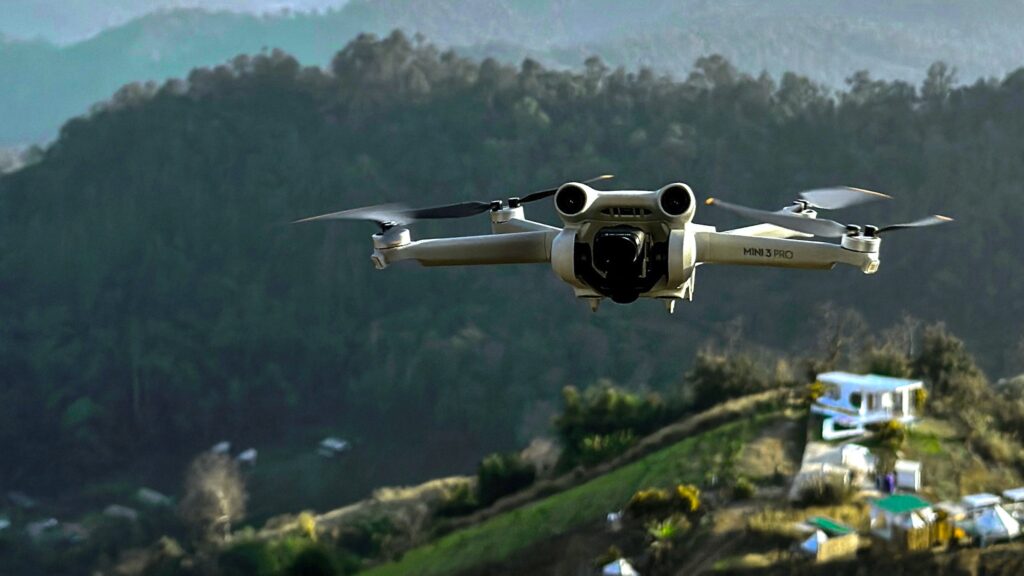
There are different types of drones operating in Ukraine: for reconnaissance, long-range strikes, or short- medium range frontline combat. Although they differ in appearance and function, most contain a plastic or carbon fibre / composite material chassis, motors, guidance system, electrical components, batteries, and some form of munition. Fibre-optic cables are a relatively new addition, introduced to counter jamming.
These substances do not readily degrade in the environment, can contaminate soil and water. They are associated with a range of adverse health effects, including increased cancer risk..
When drones are shot down or reach their designated target, they leave behind residues and debris from plastic, electronics, batteries, and munitions. In areas where drones are used intensively, particularly in frontline regions, this debris can accumulate and persist in the environment. As it degrades, it can contaminate water, groundwater and agricultural land, causing short- and long-term pollution issues.
The widespread adoption of fibre optic cables is also a risk, as this cable is left behind, posing entanglement risks similar to ghost gear, and as it degrades, it creates its own pollution profile.
Could drone debris also pose risks to human health?
Yes, debris left by drones can contain hazardous substances, including damaged batteries, electronics, and explosive components. In areas where drone use is concentrated, accumulated debris may contribute to longer-term environmental contamination that can affect human health.
One concern is the cladding used on some fibre-optic cables. They can include fluoropolymers that fall within the broader class of per- and polyfluoroalkyl substances (PFAS). These substances are highly persistent, do not readily degrade in the environment, can contaminate soil and water. They are associated with a range of adverse health effects, including increased cancer risk.
You might be interested

Are fibre-optic-controlled drones being used only in Ukraine, or elsewhere as well?
The success of fibre optic cable-controlled drones in Ukraine has meant that other states and armed non-state actors have started to use fibre optic-controlled drones. We have seen evidence of this in Sudan and Myanmar, but what makes Ukraine different is the scale of use. Footage from Lyman shows the entire city covered in cable. I would imagine many of the frontline areas are the same.
How should drone debris be handled safely?
We should treat drone debris as potentially hazardous war waste. Suspected explosive components must only be handled by trained personnel. Further education should be given to communities about the risks associated with drone debris.
The scale of drone use in Ukraine makes it a novel feature of the conflict.
Where collection is safe, debris should be segregated (munitions, batteries, electronics, plastics, fibre-optic cable), handled with protective equipment, and never burned. Cleared materials should be placed in the appropriate hazardous waste or electronic waste streams where possible. Unfortunately, the residual cables can further complicate any future cleanup operations by further restricting movement.
What counts as ‘war waste’?
War waste refers to debris, pollutants, and discarded military material generated by armed conflict. While waste from drones is not entirely new, the scale of drone use in Ukraine makes it a novel feature of the conflict. In particular, the widespread adoption of fibre-optic-guided drones, and the cable discarded on or near the frontline represents a new and distinctive form of war waste.