
The European Union has been haggling with Australia for six long years. On 16 March Brussels finally signalled that a deal is imminent. European Commission President Ursula von der Leyen told EU leaders that talks were “in the final stretch”. Officials now pencil in the signing for early spring, perhaps even this weekend.
“This will mark yet another milestone in diversifying Europe’s international partnerships,” wrote Ms von der Leyen. She added a second, loftier claim about “Europe’s ability to shape global standards and ensure resilient supply chains”. The rhetoric is breathless, but the urgency feels real. Beijing’s export curbs on critical minerals and US President Donald Trump’s fresh tariff barrage have pushed Brussels to line up like-minded suppliers at speed.
Trading meat for batteries
Maroš Šefčovič, the EU’s trade chief, echoed the mood after phoning Don Farrell, Australia’s trade minister. He posted that the two sides were “moving in the right direction”. That direction is towards an accord worth an estimated €49bn in annual two-way commerce. It would be the Union’s third such pact in barely a year, following deals with India and Mercosur.
The breakthrough has come on the thorniest file: Australian meat. Talks collapsed in 2023 when Canberra judged the EU’s duty-free beef quota too small. Mr Farrell has stuck to his guns. “Australia is ready to do a deal, but we don’t do deals for deals sake,” he said before a Brussels visit in February. He repeated the key condition. “Any deal must be in Australia’s interests and include new, commercially meaningful market access for Australian agriculture.”
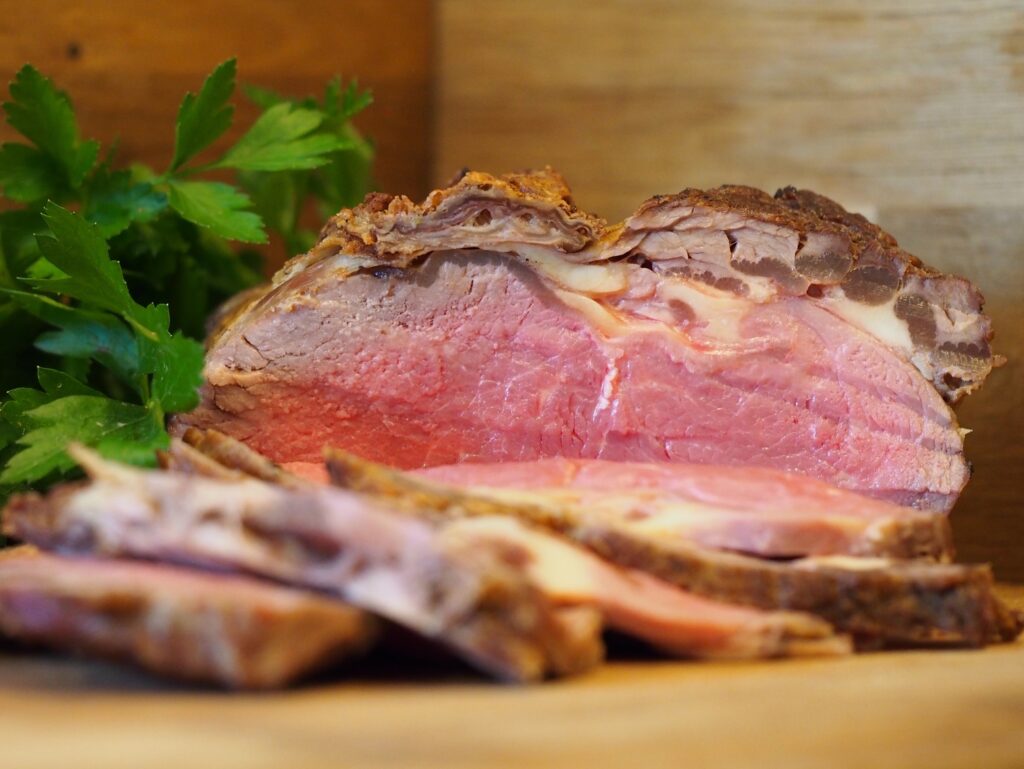
Brussels is now willing to offer up to 30,000 tonnes of beef under preferential terms. Canberra’s farm lobby likes the sound of that, mindful that Europe has already opened its doors wider to Argentinian and Brazilian steaks. Business groups smell a compromise. “We remain optimistic that a deal can be done and can be done quickly,” Jason Collins, head of the European Australia Business Council told Bloomberg. He pressed both sides to grasp the moment. “There’s an opportunity that must be taken from both sides to arrive at a compromise on agriculture.”
You might be interested

Farmers inside the bloc will still grumble. They have protested in recent months against any accord, waving placards outside the Berlaymont and warning that cheap imports threaten Europe’s rural landscape. Officials soothe them with promises of tariff-rate quotas, safeguard clauses and a support envelope under the common agricultural policy. Whether that calms the pitchforks remains to be seen.
Customs clock starts at signature
For exporters the clock starts ticking the moment the Council signs. Provisional application will drop tariffs on most goods within weeks. The Commission will tweak the customs database, adding ‘AU-FTA’ codes and zero-duty quotas for beef, sheepmeat, sugar and dairy. Importers must upgrade their IT in time and chase supplier declarations under the Union’s Registered Exporter scheme.
This will mark yet another milestone in diversifying Europe’s international partnerships. — Ursula von der Leyen, European Commission president
Services firms get sweeteners too. Brussels and Canberra will extend their mutual-recognition pact to architects and engineers. National regulators must transpose the change within six months; that is lightning speed by EU standards. A new short-stay business-visitor visa, 90 days a year, will follow in the Schengen rulebook. Lawyers predict a flurry of professional secondments once the paperwork clears.
Strategists in Brussels eye Australia’s lithium and rare earths. The pact dovetails with a 2024 critical-minerals partnership. Under the EU’s new Critical Raw Materials Act, Australian mining projects will jump the queue for “strategic” status, smoothing investment approvals and cooling Europe’s dependence on China. Battery makers, car firms and aerospace suppliers already court Australian miners for long-term offtake.
A tightrope for farmers, shoppers
The concessions on beef still bite. Thirty thousand tonnes amounts to scarcely two per cent of the EU market, yet French and Irish ranchers worry aloud. Brussels insists that emergency snap-back duties can shield them if imports surge. Consumers, meanwhile, are unlikely to notice much change in supermarket prices; Australia’s higher production costs mute any bargain effect at the checkout.
Wine drinkers gain certainty. Canberra has agreed to respect Europe’s parade of protected names—from Prosecco to Feta—ending disputes that once saw antipodean “Burgundy” on bottle labels. Australia will also phase out its obscure tax on imported luxury cars, placating Australian motorists with a taste for German engineering.
The institutional grind starts now. First comes legal scrubbing, due by late spring. Council ministers aim to sign in the summer, triggering provisional application. The European Parliament has already slotted the file into its 2026 workload and named a rapporteur. An assent vote could arrive in the autumn, well before most MEPs hit the campaign trail for the 2027 elections.
Legislation in a hurry
Inside the Berlaymont, departments are queueing up secondary acts. Health officials will issue fresh sanitary rules to fast-track Australian abattoirs. Tax officials will publish guidance on the carbon-border levy; steel and aluminium from Down Under will enjoy an “equivalence pathway”. Competition staff must slot Australian state-backed investors into the new foreign-subsidies screening regime, albeit with lighter touch.
Digital-trade chapters carry quieter weight. The pact copies the ‘necessity test’ that guards cross-border data flows in the EU–UK trade deal. Any future European push for data localisation will need to justify itself in Canberra as well as in London or Washington. Companies juggling the Data Governance Act and the Digital Markets Act await Commission guidance on how the pieces fit.
We remain optimistic that a deal can be done and can be done quickly. — Jason Collins, head of the European Australia Business Council
Risks still lurk. Farmer protests could make the Council shrink quotas or attach extra safeguards. A change of government in Canberra, where elections are due by 2027, might reopen some chapters as well. And if ratifications of the Indian or Mercosur treaties stall, the Franco-German motor may demand the Australian pact first, compressing timetables and giving lobbyists less room to wriggle.
Politics, power grids, pork barrels
Yet the momentum looks hard to stop. The twin shocks of Mr Trump’s tariffs and Chinese export curbs have re-wired European trade diplomacy. Brussels wants friends with iron ore, sunlit hydrogen and rule-of-law courts. Canberra ticks those boxes, not to mention a healthy respect for rugby.
Exporters on both continents should therefore invest time, not just hope. Map tariff lines, refresh contracts to manage carbon-border liabilities, and register for duty-refund services. Professional firms ought to line up licences in time for the mutual-recognition wave. Public-sector suppliers need to scrub origin clauses from tender documents; national treatment will soon be the law.
The to-do list is long but manageable. Brussels has learnt from its deals with New Zealand and Singapore that provisional application delivers most benefits up front, while ratification drags on in national parliaments. Australia will enjoy the same head start, and Europe will gain a partner less likely to switch allegiances in a world of sudden trade wars.
The negotiations began in a calmer era. They will end in a world jittery about supply chains, sanctions and geopolitical leverage. That makes the pact look less like a routine free-trade agreement and more like a strategic hedge. After years of stop-start wrangling, the EU and Australia appear set to shake hands. Voters may not cheer, but exporters surely will.