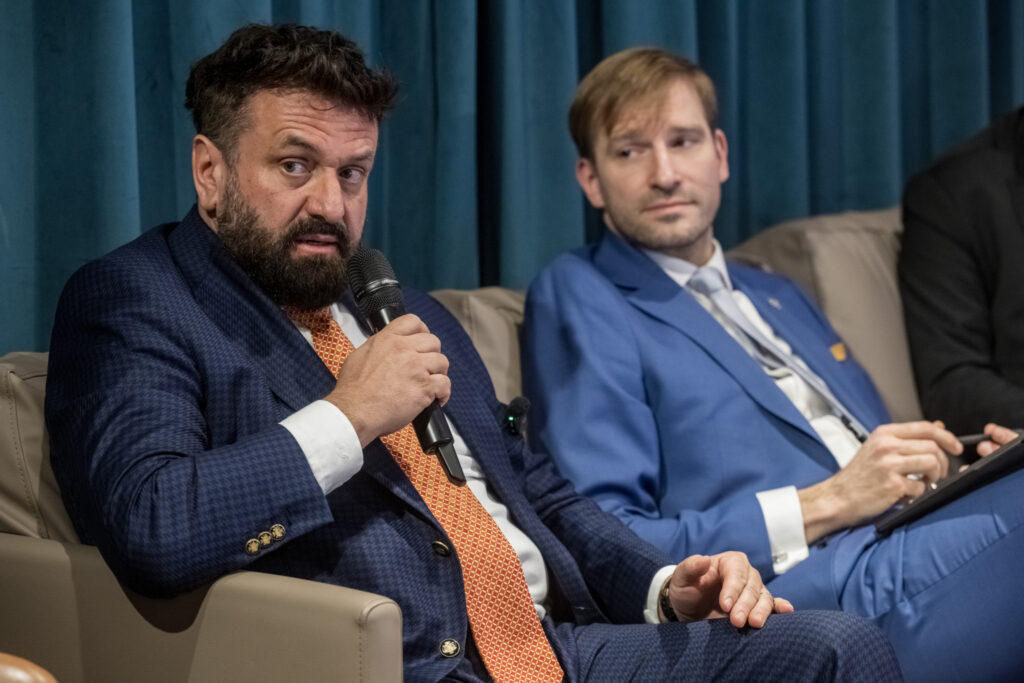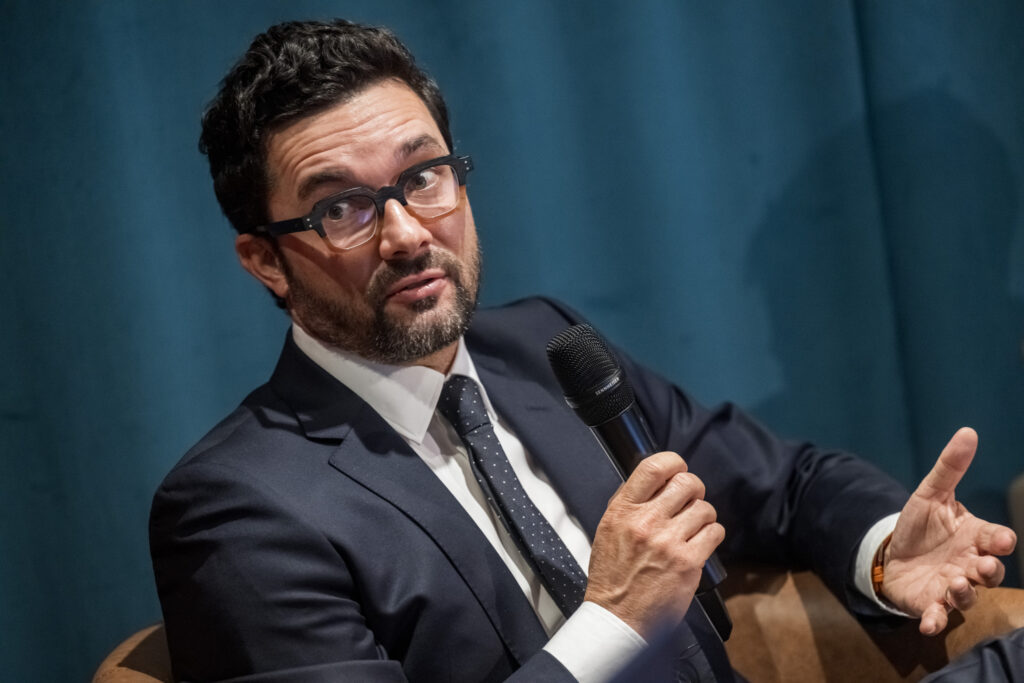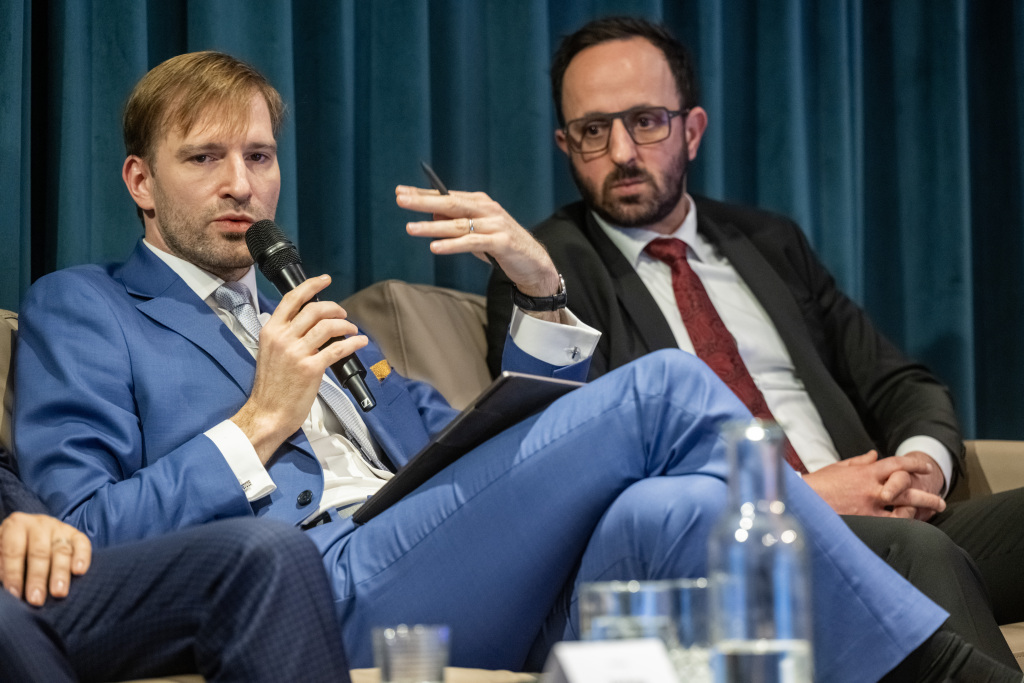

Europe is cutting off its nose to spite its face. While Brussels talks about supporting innovation and strategic autonomy, new regulations—including the urban wastewater directive—are driving pharma companies off the continent. Czech Health Minister Adam Vojtěch stated as much at the Technology and Innovation in Healthcare summit. Boris Sananes, CEO of Zentiva CZ, who joined him at the event, called for greater pharmaceutical self-sufficiency in Europe.
“On the one hand, the European Union says it wants to support industry. On the other hand, it is driving industry away with the urban wastewater treatment directive. The right hand doesn’t know what the left is doing. It’s a bit absurd,” Mr Vojtěch said. Rather than an isolated problem, he claimed, this is a symptom of a general trend in European legislation.

The European directive introduces the fourth water-treatment stage, one designed to remove micropollutants—i.e., residues of pharmaceuticals, cosmetics, and other chemicals—from wastewater. The costs of this modernisation are to be borne largely (at least 80 per cent) by pharmaceutical and cosmetic companies under the ‘polluter pays’ principle.
Alliance against red tape
Yet critics objects that such a level of responsibility does not even come close to reflecting their actual share of the pollution. Furthermore, increased costs might make the production of certain cheaper medications—in particular, of generic drugs—unprofitable for manufacturers. This would further jeopardise the availability of such products on the market.
The minister also noted that the Czech Republic is actively working to address the situation at the European level. “I wrote a letter to all EU health ministers and the European health commissioner [asking them] to decrease the pressure on the pharmaceutical industry in Europe,” he said.
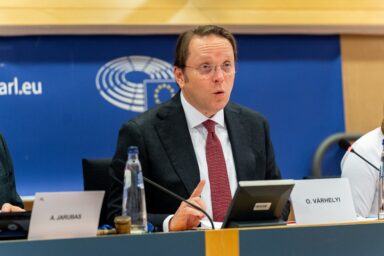
The minister claimed that a debate on revising certain rules is already underway in Brussels. “This month I was in Brussels for a meeting with Health Commissioner Olivér Várhelyi [who hails from Hungary] and we agreed that certain EU-level regulations need revisions,” he said.
You might be interested
Specifically, he mentioned the regulation on medical devices, or the MDR. “It turns out that this regulation is not working very well; it fosters much red tape and reduces the competitiveness of both the Czech Republic and all of Europe compared to other countries,” Mr Vojtěch complained.

In the minister’s view, it is crucial for European legislation to become more open to innovation. “It is necessary to revise the regulatory section and to facilitate the entry of innovations into the system, because under the current regulations, it is not optimal,” he added.
No profit = no go
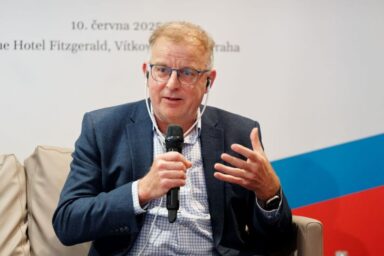
Boris Sananes, CEO of Zentiva Czech Republic, spoke just as critically, albeit from the industry perspective. He, too, believes the current regulatory environment is not accommodating toward pharmaceutical manufacturers. The combination of rising costs and declining motivation to manufacture in Europe is but one of its outcomes, he says.
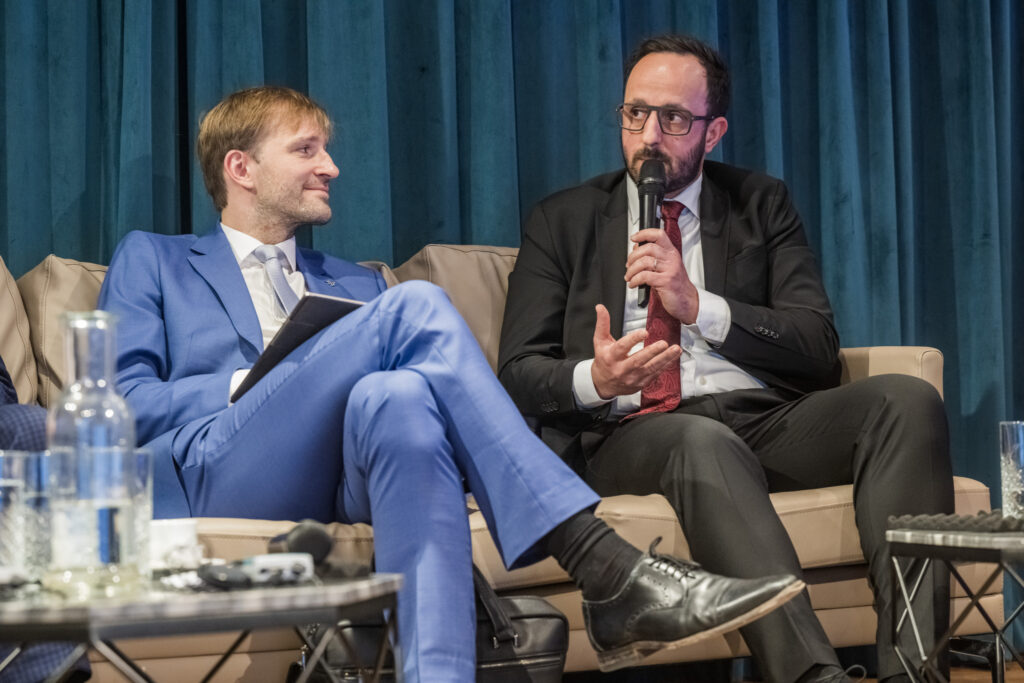
“The system is working relatively well so far, but we haven’t learned from Covid-19. The pricing and reimbursement system hasn’t changed — costs are rising while drug prices are falling. A situation may arise where certain products are no longer in production because it’s not economically viable. That’s the reality we live in,” Mr Sananes warned.
His words indirectly echo concerns raised regarding new environmental regulations. If additional costs—such as those of wastewater treatment—add to existing economic pressures, experts say the production equation could tip definitively into the red.
Mr Sananes also emphasised that Europe is in need of a clearer strategy. “There surely is room for regulatory innovation here. We need to establish both European and Czech healthcare strategies that precisely define what we want to achieve,” he urged.

Are legacy agreements still good today?
The need for a more accommodating regulatory environment for the pharmaceutical sector is all the more urgent considering the fragility of supply chains, Mr Sanades insits. They are under severe strain each time a global event strikes.
“The availability of medicines in the Czech Republic is good so far, as it has always been. Since 2020, however, we have been going from crisis to crisis. First, there was the Covid-19 pandemic, then the war in Ukraine, and now there is a conflict in Iran. Due to the closure of the Strait of Hormuz, oil prices are rising and transportation costs are increasing,” he explained.
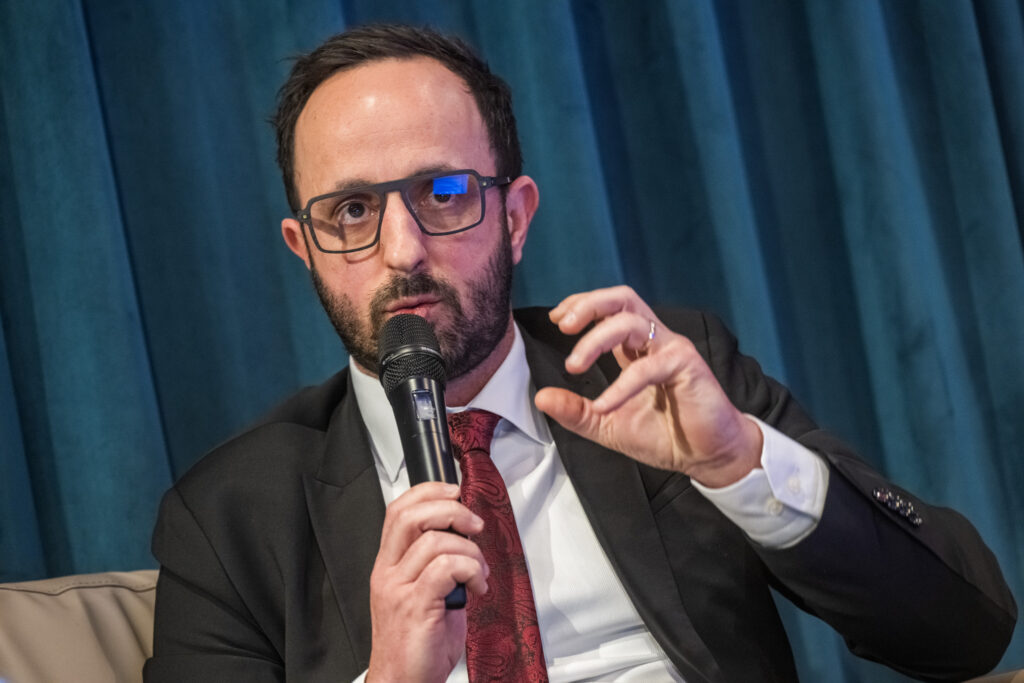
Moreover, the unpredictable policies of US President Donald Trump show that we can no longer rely on the current globalised production model.
“In a few years, our partners in China may decide to stop producing medicines and active pharmaceutical ingredients for Europe. Europe should therefore now consider how to ensure the development and production of medicines right here,” added Zentiva’s CEO.