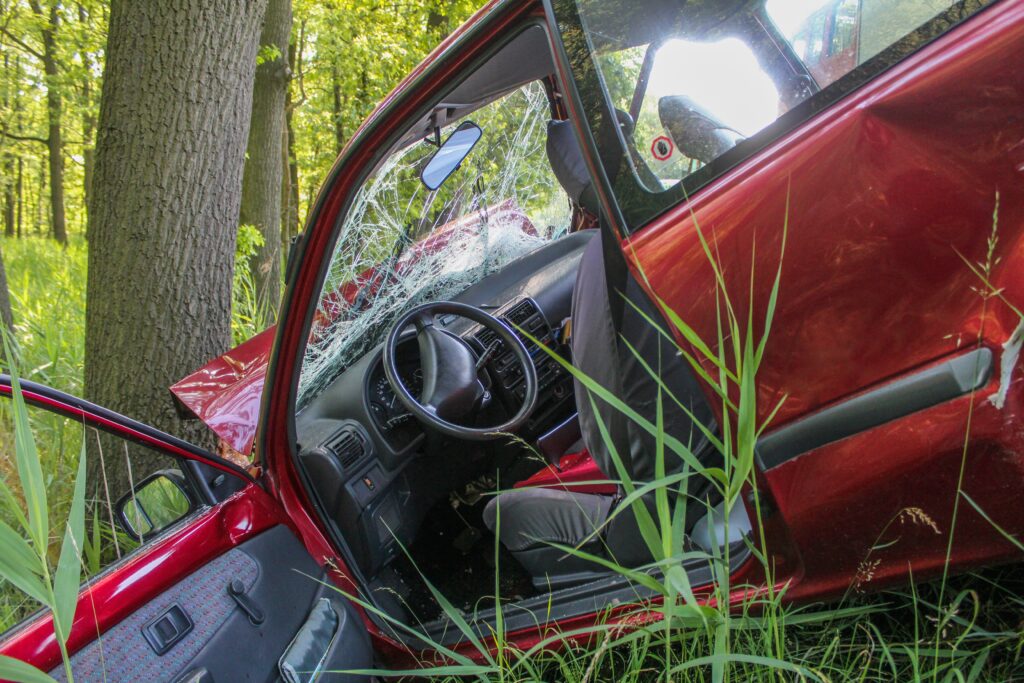

EU road deaths fell modestly in 2025, with around 19,400 fatalities recorded, 580 fewer than the year before, according to preliminary European Commission data. A 3 per cent drop may sound incremental, but it still means hundreds of lives saved in a single year, even as traffic volumes—vehicles and kilometres driven—continue to rise.
“Road safety is a shared responsibility,” said Transport Commissioner Apostolos Tzitzikostas, warning that “every life lost on our roads last year is one too many” and calling for renewed efforts to stay on track towards zero deaths by 2050.
The problem, in Brussels terms, is the pace. The EU has committed to halving road deaths and serious injuries by 2030. But most member states are not yet on track. Fatalities are down around 15 per cent compared with 2019—solid progress, but still short of what would be needed to stay on trajectory.
Patchy progress across the bloc
Performance varies sharply across countries. Estonia (-38 per cent) and Greece (-22 per cent) recorded the steepest annual declines. Belgium, Bulgaria, Denmark, Poland and Romania are currently aligned with the 2030 reduction pathway.
Romania, however, still ranks among the most dangerous alongside Bulgaria and Croatia. Sweden and Denmark remain the benchmark, with 20 and 23 deaths per million inhabitants respectively.
You might be interested

The gap is becoming structural. Some countries are moving decisively; others are not. The EU average is improving—but it continues to smooth over those differences.
Where the risks are
The underlying pattern remains the same. Rural roads account for 53 per cent of fatalities, compared with 38 per cent in urban areas and 8 per cent on motorways. In cities, vulnerable road users dominate: pedestrians, cyclists and users of powered two-wheelers and personal mobility devices make up 70 per cent of deaths, usually in collisions involving cars and lorries.
Men account for 77 per cent of fatalities, and both younger adults (18–24) and older people (65+) remain overrepresented—particularly outside cars. These are long-standing trends, not new ones.
The modal split
Car occupants represent 44 per cent of deaths, followed by motorcyclists (21 per cent), pedestrians (18 per cent) and cyclists (9 per cent). Fatalities involving e-scooters and similar devices are still a small share, but rising.
For every person killed on European roads, around five more are seriously injured—roughly 100,000 cases a year across the EU.
Policy pressure
Road safety sits partly in Brussels and mostly in national capitals. The EU sets the framework—vehicle standards, licensing rules, cross-border enforcement—while member states are responsible for outcomes.
Recent measures include updated driving licence rules, stronger cross-border enforcement and proposals on vehicle roadworthiness. The policy framework is broadly in place. Delivery remains uneven.
At current rates, the EU is not on track to meet its 2030 target.