
Europe’s grand climate ambitions are cash-hungry. On 9 March, the European Commission earmarked more than €103m for seven climate and environment projects. Each will tap the EU’s LIFE programme, the bloc’s green funding workhorse since 1992.
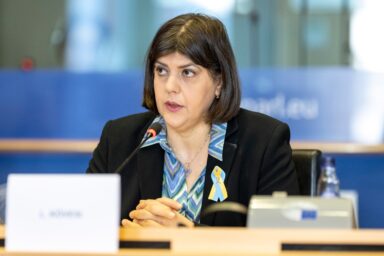
The money matters but so does the method. Officials pick “strategic” projects that can unlock domestic money, set templates for copycats and coax regional governments to align with EU rules. European Commissioner for Climate, Net Zero and Clean Growth Wopke Hoekstra set the tone. “The cost of inaction keeps rising. Investing in climate is not optional — it is essential for our economy, our security and our independence. The business case for accelerating the clean transition is clear and these Strategic LIFE projects are investments that adds on towards our climate goals.”
The seven schemes stretch over seven member states, from the Azores to Finland. Each carries a different badge—water resilience, circular economy, marine cleanup—yet all promise the same thing: fewer emissions, stronger ecosystems and a chance for local firms to profit.
Fresh fuel for an old engine
The LIFE programme, now endowed with €5.43bn for 2021-27, is the EU’s only fund devoted solely to environment, climate and clean energy. Since 1992 it has supported more than 6,500 ventures. The latest batch looks small but should lure far larger sums from national coffers and private investors, a core aim of the scheme.
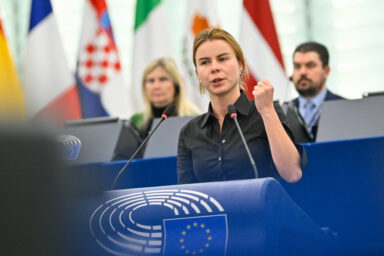
European Commissioner for Environment, Water Resilience and a Competitive Circular Economy Jessika Roswall put the rationale crisply. “Long-term strategic LIFE projects are essential to deliver a secure and sustainable Europe. Today’s investment strengthens Europe’s natural infrastructure — the foundation of our economic security, competitiveness and resilience.” Brussels hopes voters will see visible results and fret less about the price tag.
You might be interested
Beyond the cash lurks administration. The European Climate, Infrastructure and Environment Executive Agency, or CINEA, runs the programme and checks whether recipients obey rules on biodiversity, water and climate adapted from EU law. That oversight breeds bureaucratic griping yet keeps national governments honest.
North to south, source to sea
Finland’s ACWA LIFE, granted €16.5m, will fix rivers, lakes and groundwater with a “source-to-sea” plan. The project team will carry out river-basin management and demonstrate methods that others can copy. Cleaner water should benefit Finns and their Baltic neighbours.
France’s Grand Est region receives €15.6m for LIFE ADAPT EST. Heatwaves, droughts and floods have battered the area. The money will fund climate data, resilient water networks and sturdier infrastructure. Cross-border partners in Germany will help export lessons.
Greece will tackle litter, noise and biodiversity loss in its seas. LIFE SIP GR Blue gets €8.9m to apply the Marine Strategy Framework Directive along thousands of kilometres of coast. Campaigns will raise public awareness and sharpen national governance.
Circular loops and wetland woes
In the Netherlands Limburg province wants a fully circular economy by 2050. CEL4LIFE, backed with €6.9m, will break bottlenecks in chemicals, manufacturing and construction. Dutch, Belgian and German partners will join to spread the know-how.
Today’s investment strengthens Europe’s natural infrastructure — the foundation of our economic security, competitiveness and resilience. — Jessika Roswall, EU environment commissioner
Portugal’s nine Azorean islands seldom star in EU policy. LIFE IP AGRILOOP, armed with €15.8m, will push a circular roadmap across agro-forestry, agrifood and tourism. Officials tout the archipelago as a laboratory for other Atlantic islands.
Slovakia blends nature-based solutions with adaptation plans. NatAdaptSK secures €10.1m to pilot green and blue infrastructure in three river basins and five national parks. “AdaptLabs” in urban areas will show citizens why wetlands and forests cut flood risk.
Saving Spain’s shrinking marshes
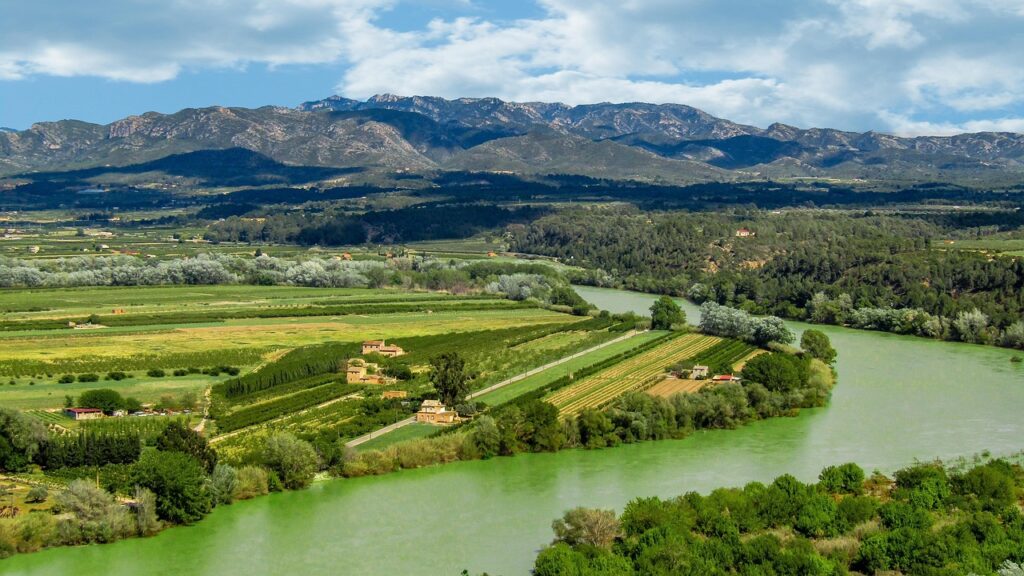
Spain hosts the largest project LIFE has ever funded. LIFE HumedalES nets €29.7m to restore 26,200 ha of wetlands across 107 Natura 2000 sites. Backers aim to raise an extra €111m and to prop up the government’s 2030 plan for wetlands.
Good marshes mop up floods, store water and shelter birds; bad ones release carbon and breed disease. Madrid’s support signals that the new Nature Restoration Regulation may yet gain traction.
All seven schemes share two chores. First, align local action with EU targets such as climate-neutrality by 2050, biodiversity protection and cleaner waters. Second, coax private investors and regional treasuries to stump up extra cash. The Commission hopes each euro from Brussels will multiply several-fold.
Money and politics
The commitments also speak to budget wrangling. The next Multiannual Financial Framework, due soon, will cover hard-to-fund green needs through an “EU Facility” and a European Competitiveness Fund. LIFE’s record gives negotiators a model: small sums, clear rules, visible pay-offs.
Investing in climate is not optional — it is essential for our economy, our security and our independence. — Wopke Hoekstra, EU climate commissioner
Yet headaches remain. Getting permits can take years. Local politicians fret that EU standards cramp development. Some green groups fear that “strategic” status may dilute scrutiny. The Commission insists its audits and the threat of refund demands keep grantees on track.
The wider test concerns public trust. If citizens in Grand Est see fewer floods, or fishermen in Greece find cleaner nets, support for EU climate policy will grow. If results lag, sceptics will call the projects Brussels boondoggles.
A step, not a finish
The €103m announced this month will not transform Europe’s climate path on its own. But the projects form pilots that others can copy and scale. They also show how Brussels mixes modest grants with tight rules to nudge regions toward its goals.
Mr Hoekstra claims delay costs more than action. Ms Roswall argues that healthy ecosystems anchor Europe’s prosperity. Their case now depends on whether wetlands fill, rivers clear and factories waste less. Results will speak louder than any press release.