
Europe’s gas reserves are running dangerously low. If the countries fail to refill them, the continent could face tight supplies and soaring energy bills when winter arrives. Rising geopolitical tensions in the Middle East are putting extra strain on already volatile global markets. The European Commission is calling on member states to start replenishing their gas stocks now.
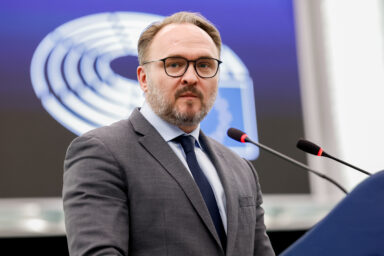
EU Energy Commissioner Dan Jørgensen has called upon member states to begin refilling their gas reserves as soon as possible. Against the backdrop of ongoing instability in global energy markets, partly driven by the escalation in the strait of Hormuz, he argued that early action would help prepare for the coming winter.
“Our exposure to volatile global markets is clear. We need to make sure we act already now on winter preparedness — and that we do so in a coordinated manner,” Mr Jørgensen said. “Starting storage injections as early as possible would allow us to benefit from a longer injection period and adapt to market circumstances. It would help to ease pressure on prices and avoid an end-of-summer rush,” he added.
Mr Jørgensen said the EU is much better prepared compared to 2022. He credited this to “collective political choices, coordinated diversification efforts, and the accelerated roll-out of homegrown energy”. He also highlighted the EU’s Gas Storage Regulation as a key factor in strengthening energy security.
You might be interested
The law was introduced in 2022 after the Russian invasion of Ukraine and designated gas storage facilities as critical infrastructure. It requires member states to monitor storage levels every month. They must also cooperate to keep reserves sufficiently filled in case of supply disruptions.
Shortages and high prices
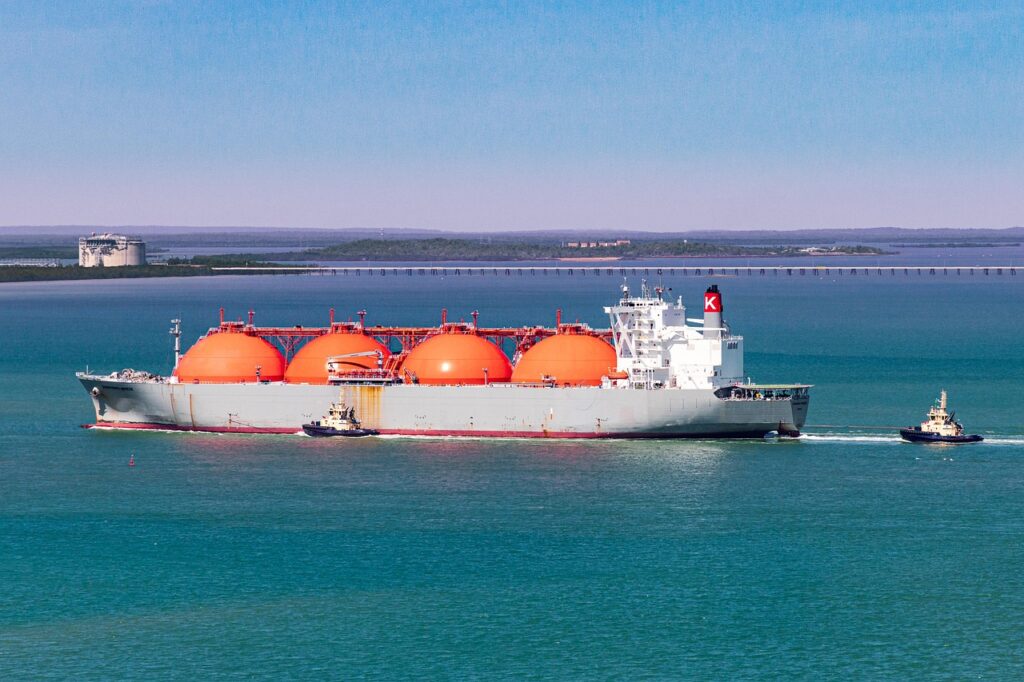
The European Network of Transmission System Operators for Gas (ENTSOG), a cooperation network of gas transmission system operators (TSOs) across Europe, agreed with the Commissioner. ENTSOG said that Europe will need higher volumes of liquefied natural gas (LNG) this summer to replenish storage facilities ahead of the coming winter, given current low storage levels.
Insufficient storage levels and early significant withdrawal from storage reduce system flexibility, especially during high-demand events. — The European Network of Transmission System Operators for Gas
“Insufficient storage levels and early significant withdrawal from storage reduce system flexibility, especially during high-demand events,” the organisation said. It reiterated that gas storage plays a crucial role in ensuring the EU’s security of supply.
Meanwhile, the Dutch state-owned gas network operator Gasunie said on Tuesday that it does not yet plan to take additional measures following Jørgensen’s appeal. The company stated it is closely monitoring gas levels and does not currently expect shortages. It warned, however, that prices may remain high due to market volatility.
Spain profiting from renewables
The Netherlands is among the European countries currently facing persistently high energy prices, alongside Germany, Italy, and Belgium. In the first week of March, wholesale electricity prices in these markets climbed to their highest levels since the beginning of the year, according to a recent analysis by energy think tank EMBER.
In contrast, Spain has managed to maintain comparatively low electricity prices. A key reason is its policy decision to partially decouple electricity prices from gas prices. That reduced the direct impact of gas market spikes on consumer costs. Additionally, Spain benefits from a diversified energy mix with a high share of renewables, as well as a stable contribution from nuclear power. This combination has made the country less vulnerable to the price shocks affecting much of northern and central Europe.