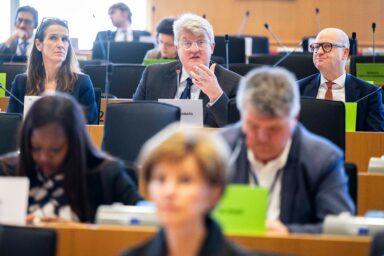

Homosexuality is not an illness, and attempts to ‘treat’ it cause suffering and should be banned across the EU. This was the view shared by most participants in a European Parliament debate on so-called conversion practices. A proposal concerning the protection of fundamental rights and human dignity will now be assessed by the European Commission.
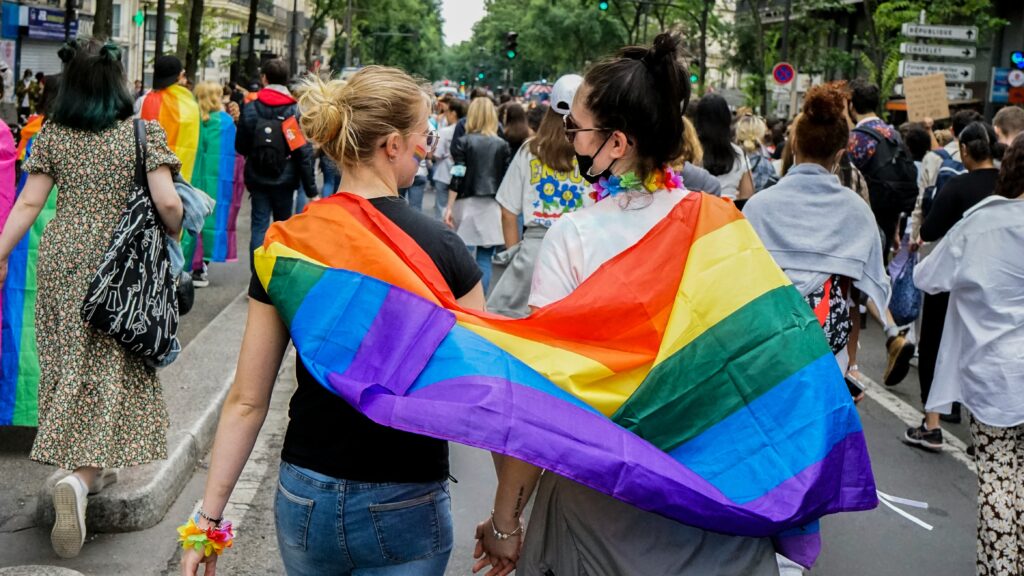
One of the most heated debates in the European Parliament focused on the question of banning so-called conversion practices. These are procedures—often dubbed therapies—aimed at changing, repressing, or suppressing the sexual orientation, gender identity, or gender expression of LGBTQ+ persons.
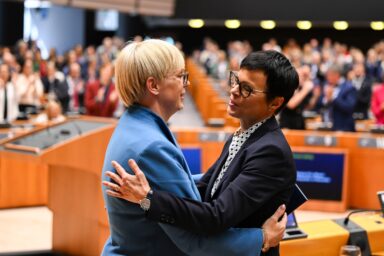
They cause severe pain and long-lasting psychological and physical harm, as one of the proposal’s authors, Marina Kaljurand (S&D/EST), explained. “They are rooted in the dangerous, unfounded belief that the person’s identity can be inferior and in need of remedy. Due to their discriminatory, degrading and harmful nature, conversion practices are qualified as torture by the United Nations and the Council of Europe,” she recalled.
I am gay not because I learned about it in school or because I read it in a book. I am born gay as a result of the beautiful diversity of nature. — MEP Marc Angel (S&D/LUX)
Most of the speakers agreed that these practices, often including psychiatric treatment and medication, religious rituals such as exorcism, and physical or sexual abuse, have no place in the 21st century. According to a survey repeatedly cited during the debate, almost a quarter of LGBTQ+ people in Europe have been subjected to such practices.
MEPs pointed out that they often lead to depression, anxiety, and suicide attempts, especially among young people. They also expressed surprise that only eight EU member states have banned conversion practices at the national level. These countries are Belgium, Cyprus, France, Germany, Greece, Malta, Spain and Portugal.
You might be interested

Critical voices raise concerns
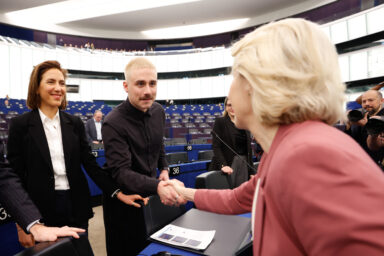
The European Commissioner for Equality, Preparedness and Crisis Management, Hadja Lahbib, noted that the World Health Organization (WHO) removed homosexuality from its list of diseases in 1990. “There is absolutely nothing to cure,” she said, adding that conversion practices are based on the false notion that LGBTQ+ people are somehow ill.
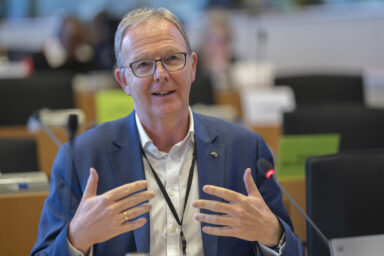
Some of the most emotional contributions came from MEPs who themselves identify as LGBTQ+. “I am gay not because I learned about it in school or because I read it in a book. I am born gay as a result of the beautiful diversity of nature,” declared Marc Angel (S&D/LUX). He compared efforts to make all people perfectly the same to Nazism.
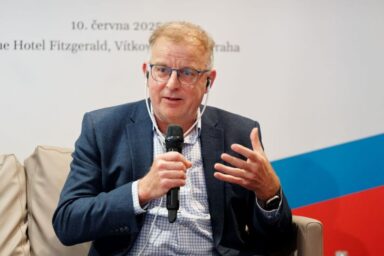
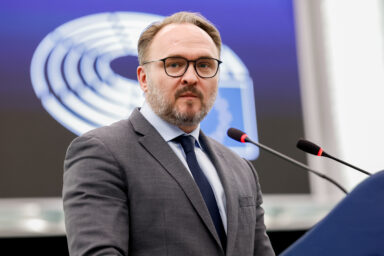
The debate also revealed critical voices, particularly from a small number of conservative and right-wing MEPs. These critics argued that an EU-wide ban could interfere with parental rights, religious freedom, and freedom of expression. One of them, Bert-Jan Ruissen (ECR/NLD), argued that coercion and abuse are already illegal in EU countries.
However, he said the proposal goes further and reflects a broader ideology that encourages gender self-identification while discouraging alternative forms of support. “The EU has no powers in this area. For that reason, we should reject this request,” he said.
One million signatures
The push for the ban stems from the European Citizens’ Initiative, a tool that allows EU citizens to call on the European Commission to propose new legislation. For an initiative to succeed, it must collect at least one million signatures from at least seven member states. In this case, organisers gathered more than 1.1 million verified signatures from 11 countries.
The EU has no powers in this area. For that reason, we should reject this request. — MEP Bert-Jan Ruissen (ECR/NLD)
The organisers are calling on the European Commission to propose binding legislation banning conversion practices across the EU. Specifically, they want include these practices among so-called EU crimes. They also seek amendments to the Victims’ Rights Directive that would grant survivors of such practices access to protection and support. At the same time, they are urging member states to introduce national bans or tighten existing legislation.
Uneven situation
The situation across the EU remains uneven. Some countries have banned conversion practices, often at least for minors, while elsewhere regulation is absent or very limited. In its LGBTIQ+ Equality Strategy for 2026–2030, the European Commission supports efforts to restrict such practices. But has not so far proposed classifying them as EU crimes.
Following the discussion in the European Parliament, the European Commission must now decide whether to prepare a legislative proposal. Ms Lahbib confirmed that the Commission is not taking the issue lightly and is currently carefully assessing all aspects. She promised an official response by 20 May. “It’s not a question to be at the left, or at the right of the political spectrum. It’s not a question of religion or ideology, but a question of simply being human,” she concluded.