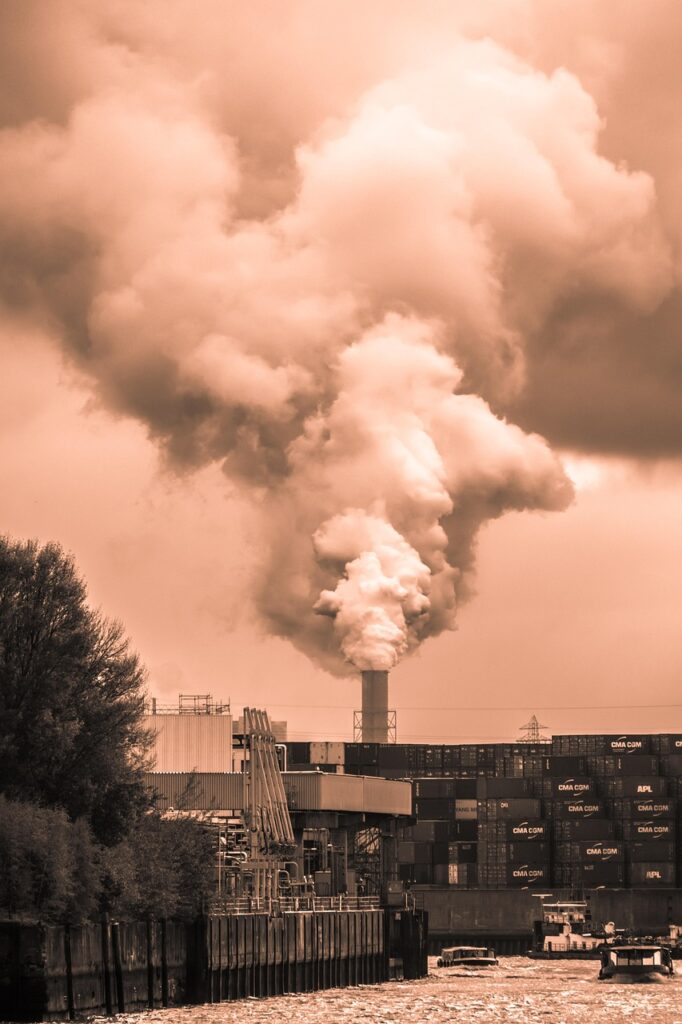

Cutting air, noise and chemical pollution could deliver a significant mental health dividend for Europe, according to new scientific evidence from the European Environment Agency. A recent briefing finds growing links between pollution exposure and rising rates of depression, anxiety, schizophrenia and suicide — reinforcing the urgency of the EU’s Zero Pollution agenda.
Europe has seen sustained high levels and increasing reporting of mental health disorders over the past quarter century, with such conditions now ranking among the leading causes of disease burden and death across the bloc. While genetics, economic stress, trauma and social factors remain central drivers, environmental pollution is increasingly recognised as a contributing factor.
Air, noise and chemicals under scrutiny
The agency’s review highlights correlations between long-term exposure to fine particulate matter (PM2.5) and nitrogen dioxide (NO2) and increased risk of depression, as well as evidence that short-term pollution spikes can worsen schizophrenia symptoms. Exposure during pregnancy and childhood — critical periods of brain development — is also associated with structural and functional brain changes. Though causality has not yet been definitively established, the growing consistency of findings across cohort studies and meta-analyses has elevated pollution from a peripheral concern to a serious public health consideration.
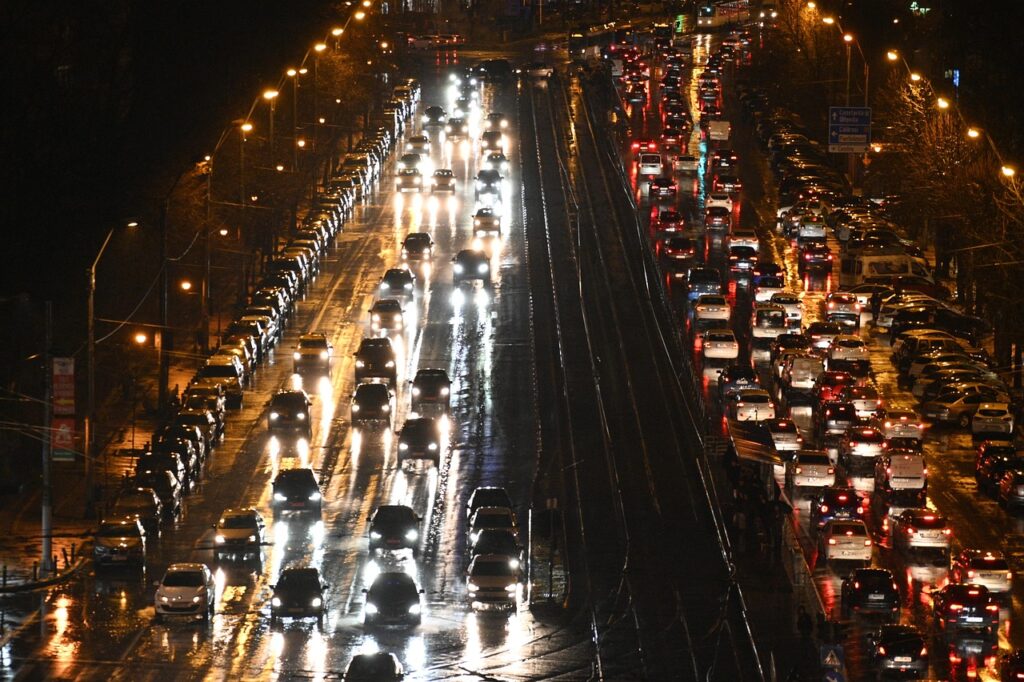
Noise pollution presents similar concerns. Road traffic noise is associated with small but measurable increases in depression and anxiety risk, while higher levels of railway and aircraft noise correlate with elevated suicide rates and depression prevalence. Chemical exposure adds another dimension: prenatal or early-life contact with lead (Pb), second-hand smoke and endocrine-disrupting substances such as BPA has been linked in multiple studies to depression, anxiety and schizophrenia, particularly among vulnerable populations.
Scale of mental health and pollution burden
The scale of Europe’s mental health crisis underscores why incremental environmental risks matter. According to the European Commission, mental health conditions affect roughly one in six people across the EU each year and cost the bloc more than 4 per cent of GDP annually in healthcare spending and lost productivity. Suicide remains one of the leading causes of premature death in several member states, compounding the social and economic toll.
The environmental burden is equally stark. The European Environment Agency estimates that hundreds of thousands of premature deaths annually in Europe are attributable to air pollution, particularly PM2.5. While the causal links between air pollution and cardiovascular and respiratory disease are firmly established, the emerging research connecting pollution exposure to mental health outcomes builds on this broader epidemiological foundation.
Policy momentum and nature-based solutions
Although researchers caution that more work is needed to confirm direct causality, the findings strengthen the case for full implementation of the EU Zero Pollution Action Plan, which aims to reduce premature deaths from air pollution by at least 55 per cent by 2030 compared with 2005 levels. The revised Ambient Air Quality Directive further tightens standards toward World Health Organization guidelines.
The evidence also reinforces a broader “One Health” approach, recognising the interconnection between environmental and human wellbeing. Alongside emissions cuts and tighter chemical controls, expanding access to green and blue spaces —and scaling up nature-based interventions such as gardening, forest bathing and outdoor exercise— could provide cost-effective tools to bolster mental resilience across Europe.