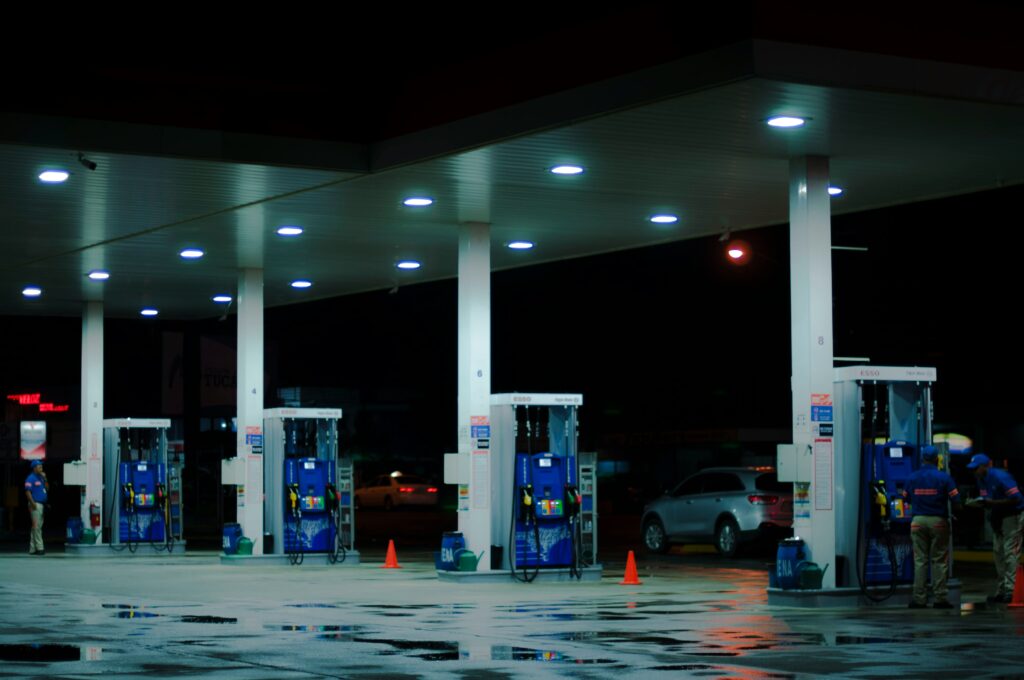

Slovakia is running low on diesel and charging foreigners more for what remains. The European Commission says that is illegal. Bratislava disagrees—and Prime Minister Robert Fico wants to know why Brussels is threatening his country instead of Ukraine. The row over a 30-day emergency fuel measure could end up in court.
The Commission confirmed on 31 March that it had sent Bratislava a formal letter last week. The policy, adopted on 18 March, allows petrol stations to charge vehicles with foreign licence plates higher rates than domestic cars. Slovak-registered vehicles continue to pay lower prices. Diesel exports are also temporarily restricted.
“We consider this measure highly discriminatory and against EU law,” Siobhan McGarry, a Commission spokesperson, said at the midday press briefing. Measures to support citizens are legitimate, she said, but they “must not discriminate based on nationality, nor should they undermine the integrity of the internal market.”
Fuel shortages and market friction
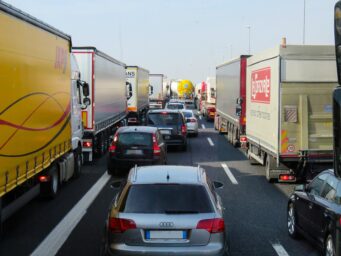
Slovakia has faced mounting pressure on fuel supplies since late January. Russian crude deliveries via the Druzhba pipeline were interrupted by damage in Ukraine. Around 22 petrol stations in northern border areas ran dry. Drivers from Poland, Austria, and elsewhere had crossed into Slovakia to take advantage of lower diesel prices. Bratislava declared an oil emergency in February.
Member states can take measures to support their citizens, but these should not be discriminatory.
—Siobhan McGarry, Commission spokesperson
“Member states can take measures to support their citizens, but these should not be discriminatory,” Ms McGarry said. As an example of a lawful alternative, she pointed to reducing excise duty on fuel—a step some member states have already taken. What Bratislava cannot do, Brussels insists, is price diesel differently based on where a vehicle is registered.
Mr Fico has pushed back hard. He accused the Commission of applying double standards. Hungary operates a similar pricing regime without facing equivalent pressure, he noted. He also demanded the Commission send an equivalent warning to Ukraine for blocking an EU inspection of the Druzhba pipeline. “Show me the same threatening letter that you sent us, Madam President. Show the same letter to Zelensky,” he said.
You might be interested
Dialogue, but no blank cheque
“We have sent a letter. We are in dialogue with the member state in question. We are not going to prejudge next steps from this podium today,” said Olof Gill, the Commission’s deputy chief spokesperson. Failure to comply would trigger the next stage of infringement proceedings—and ultimately a case before the Court of Justice of the EU. Slovakia’s 30-day resolution expires in mid-April—whether Bratislava amends the pricing before then or digs in will determine how quickly the dispute escalates.