
Kyiv stands at a critical historical crossroads. Against all odds, the country is mounting battlefield resistance and rebuilding vital infrastructure. It is also charting a winding path towards European Union membership.
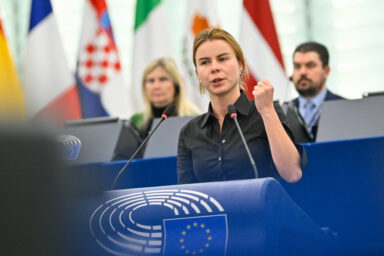
Vladlena Martsynkevych is project leader at CEE Bankwatch. She explained to EU Perspectives the economic and the social transformation of the country. Meanwhile, Kyiv is looking to join the EU as soon as possible.
How is the situation on the ground after four years of conflict?
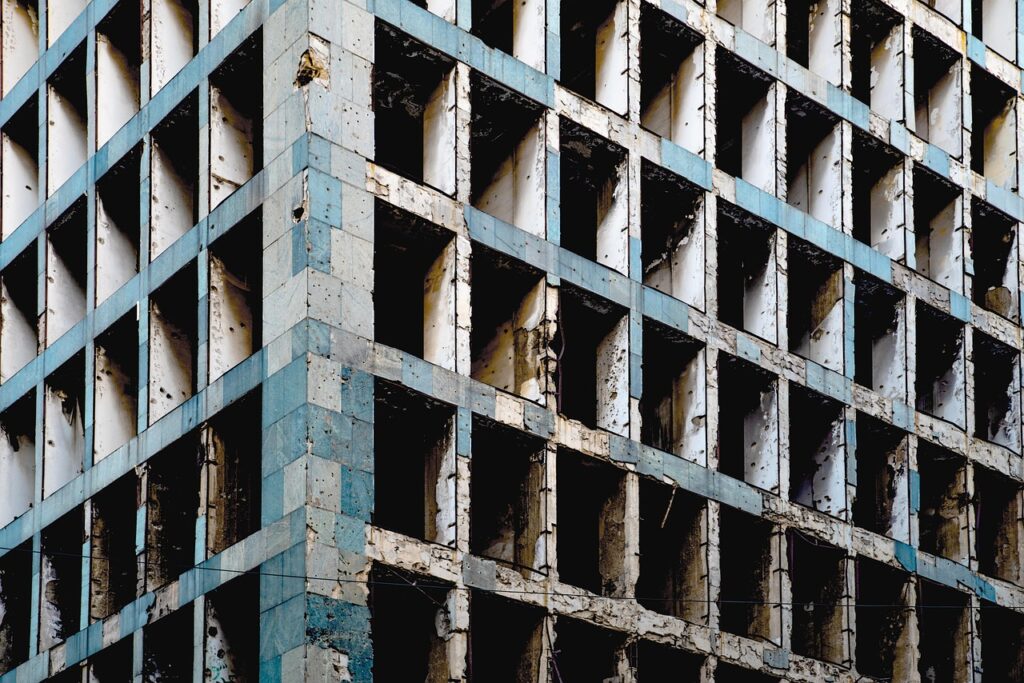
Ukraine has demonstrated remarkable resilience against the aggressor. The resilience is even more striking given the severe challenges posed by Russia’s targeted destruction of Ukraine’s energy production and transmission capacities, heating and other critical infrastructure. The adaptation measures are related to the electricity imports from neighbouring countries. Massive imports of electric batteries, worth $1.5 billion in 2025, also play a role. Last year marked the year when the EU accession efforts accelerated. Screenings and dialogues on the EU legislation sped up, as did negotiations on the benchmarks.
What are the ways in which Ukraine is facing a social and economic transformation?
There are such challenges in Ukraine (of course not limited to) such as: internally and internationally displaced people, as well as the military obligations severely affect the labour market. Business is under constant stress from the energy shortages because of attacks. Some regions are functioning mostly in survival mode. Energy and heating infrastructure damage has been particularly critical in the bigger municipalities.
You might be interested
Yet some municipalities we cooperate with are really the pioneers of the transformations and willingness to find sustainable solutions. The concept of just transition for the coal regions is expanding to the other mono-industrial communities. Moreover, green transition should go deeper. It enjoys verbal support but the government’s deregulation might endanger alignment with core sustainability principles.
Overall, the communities tend to be the ones with low capacity for quality public investment projects preparation. They usually seek support from international technical assistance projects, NGOs, other experts for their strategies for ambitions that can lay out the way to future development projects.
Could you describe the situation regarding the banks and funds you watchdog in the country?
In terms of financing — international partners, EU, IFIs and IMF were supportive to Ukraine, adapting and adjusting along the way. New EU’s ERA instrument made it possible for Urkaine to make it through the year, even if not fully up to speed with requirements from the Ukraine Facility, which in turn delayed the tranches. The changes to the Ukraine Facility’s national Plan were minimal, concerning only the shifting deadlines.
IFIs as well are coming up with new initiatives and programs, although, with the same approaches. EIB works through the Ministry of development, the EBRD mostly with the old clients and financial intermediaries. We looked into the district heating, public transport, and flagship Ukraine Facility renewable energy project. The financing for the vast majority of small communities is still problematic and under the Public Investment Management Reform.
What is the state of play of Ukraine’s energy transformation?
There is a plenty of local initiatives and individual efforts transforming the energy sector, as individuals and communities introduce RES. Though the government message continues to be confusing — focusing on nuclear facilities expansions and other short-term solutions (massive generators and co-generators imports, biomass and waste-to-energy facilities plans) that distract from the real claimed and recornised goal of building the decentralised energy system.