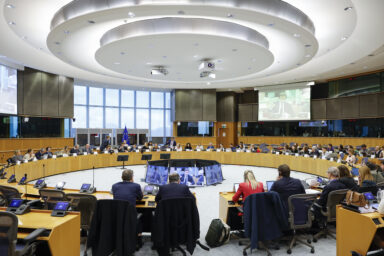

In a heated exchange in the European Parliament on Thursday, several MEPs criticised the EU’s stricter wastewater rules. They warned that the regulations, which require pharmaceutical and cosmetic companies to help remove micropollutants, could threaten the EU’s pharmaceutical industry.
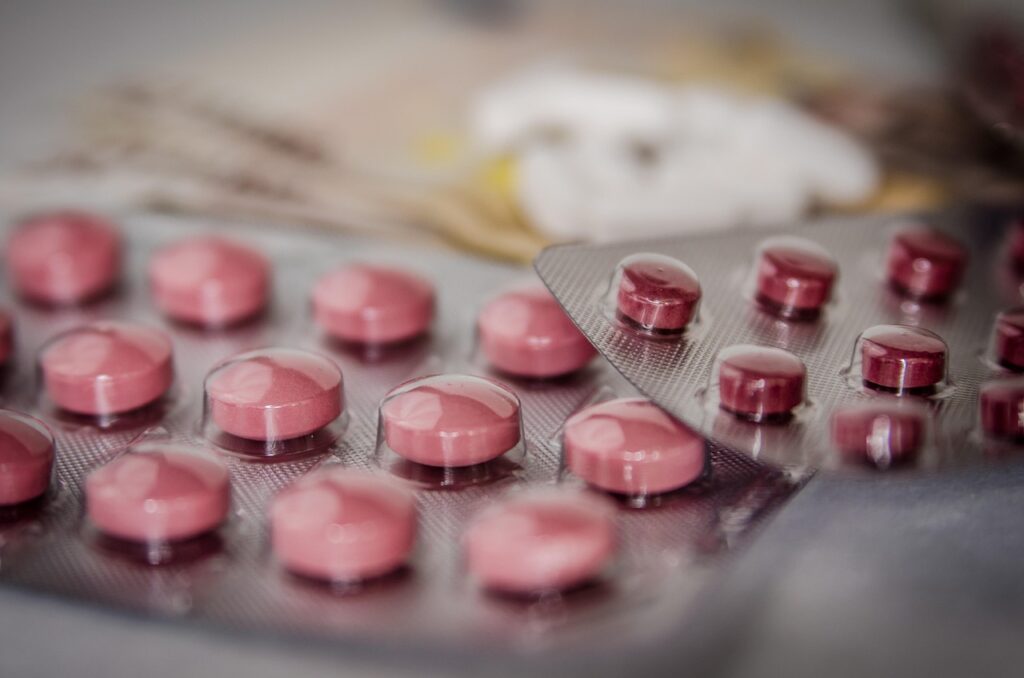
One issue defined the debate: how to pursue environmental ambitions without undermining access to affordable drugs. The revised Urban Wastewater Treatment Directive (UWWTD) came under strong fire. The directive requires pharmaceutical and cosmetic companies to financially participate on the removal of micropollutants from wastewater. Critical voices argue this added cost could disrupt fragile supply chains, especially for low‑margin generic medicines.
MEP Ondřej Knotek (Patriots for Europe/CZE) has voiced strong criticism of the UWWTD, warning it could threaten the whole industry. “No one questions protection of the water environment,” he stressed. “But our measures shall not contradict. I’m afraid that our global rivals must be laughing sometimes when it comes to the EU actions.” The MEP praised the Critical Medicines Act as a step to bring medicine production back to Europe. And warned that the wastewater rules basically expel the medicines from the European soil.
Highlighting the already high environmental standards in the EU, Knotek cautioned that further pressure could backfire. “Further uncontrolled pressure in this direction could be a showstopper for EU as a global player. We cannot do more for climate, not much more than the others do, and definitely not on the cost of availability of the medicines in the EU,” he concluded.
You might be interested
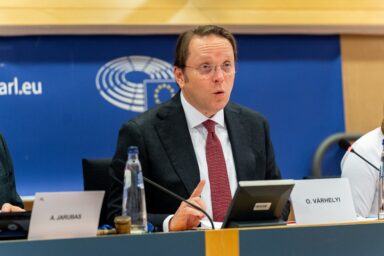
Lawmakers also questioned the reliability of the Commission’s cost and impact studies and called for a new assessment together with the industry. Environment Commissioner Jessika Roswall acknowledged diverging estimates but argued that some are based on incorrect assumptions. “I know that numbers differ a lot and, just like you, I wanted to know why. Some numbers are not based on the narrow scope of the final trilogue agreement and so they will naturally overestimate the cost.”
Debate hijacked by industry lobbying?
The debate revealed a divided Parliament. Defenders of the directive rejected claims that it would trigger shortages. MEP Tilly Metz (Greens/EFA/LUX) criticised the framing of the debate, describing it as the result of sustained industry lobbying. The measure, she said, was being “deliberately distorted simply to protect profit margins from companies that continue to generate billions each year.”
The discussion underscores a deeper challenge in EU policymaking: balancing environmental regulations with the need to ensure medicine availability and maintain industrial competitiveness. For the time being, the Commission is is staying firmly behind the directive. The real impact will become clear when countries put their funding plans in place by 2028, and when the pharmaceutical sector makes its next moves.