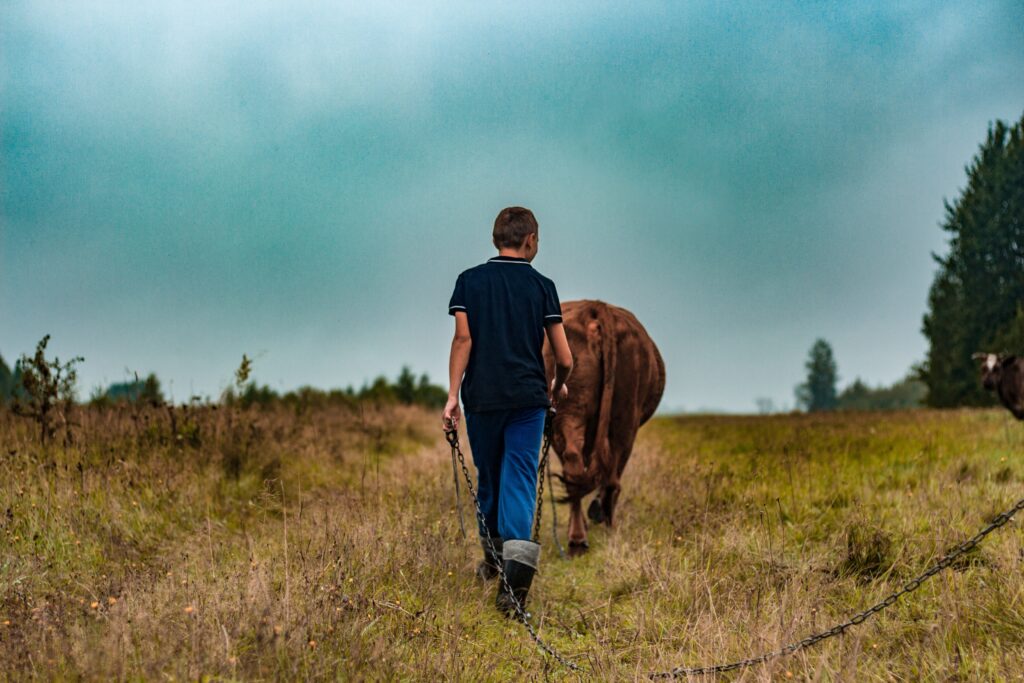

Young farmers across the EU see agriculture as a worthwhile career—but long hours, financial pressure, and a lack of support are pushing many away. Researchers, policy advisers, and farmers themselves gathered recently to examine what makes farming an unattractive prospect for younger generations. The picture that emerged points to deep structural problems that policy alone cannot easily fix.
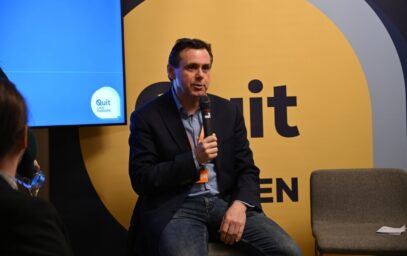
David Meredith, head of the Irish Agriculture and Food Development Authority (Teagasc), opened the recent Safehabitus conference with a stark observation. Attracting young people to farming has become a central issue for European agricultural policy. The challenge, he said, goes far beyond access to land, finance, or training. It reaches into the everyday reality of what farming actually feels like as a job.
Meredith did not shy away from specifics. Farm working conditions include “the long hours, the physical demands, the income uncertainty and increasingly administrative and regulatory pressures,” he said․
Youth perspectives on farming
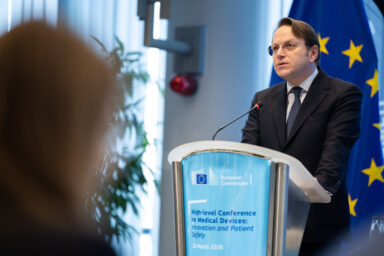
The debate drew on research from the SafeHabitus project, which examined young farmers’ attitudes towards the agricultural system. Majda Černič Istenič, senior research associate at ZRC SAZU, presented the findings, drawn from focus groups with young farmers across Europe.
“It’s not only how farming looks today, but how young people imagine it in the future, and whether they can see themselves in this farming future,” Ms Černič Istenič said. Several factors shape farming’s appeal. These include income, working conditions, access to land, social support, and recognition.
You might be interested
Young farmers and long-term commitment
Katharina Schobersberger is a young Austrian farmer and vice-president of CEJA, the European Council of Young Farmers. For her, staying in livestock farming is not just a matter of choice, but of money. “The choice of a livestock farm is kind of a lifetime decision,” she said. She was candid about the sacrifices too. “Holidays need to be planned very carefully.” Yet she had no regrets: “I know that this is the life I feel home in.”
The real question is not whether agriculture is attractive or not. The real question is, how do we reduce the gap between perception and reality?—James Luis Benedetto, Italian young farmer
James Luis Benedetto, a first-generation Italian farmer, said agriculture is always presented in an overly simplified way. “The real question is not whether agriculture is attractive or not. The real question is, how do we reduce the gap between perception and reality?” he asked. Young farmers are nonetheless a priority for EU policymakers. The Common Agricultural Policy (CAP) offers direct payments, start-up aid, and investment funding. It also provides training through the European Agricultural Fund for Rural Development (EAFRD).
Stakeholders argue that better working conditions, higher wages, and reduced bureaucracy could make farming a more attractive and financially viable career for young people. Without structural change, the gap between farming’s appeal and its reality will only widen.