
The US and Iran agreed a two-week ceasefire overnight, but European drivers, travellers, and businesses should not expect relief anytime soon. For a month, Iran has kept the Strait of Hormuz largely shut — the world’s most critical energy chokepoint. Brussels warned on Wednesday that the crisis will not be short-lived.
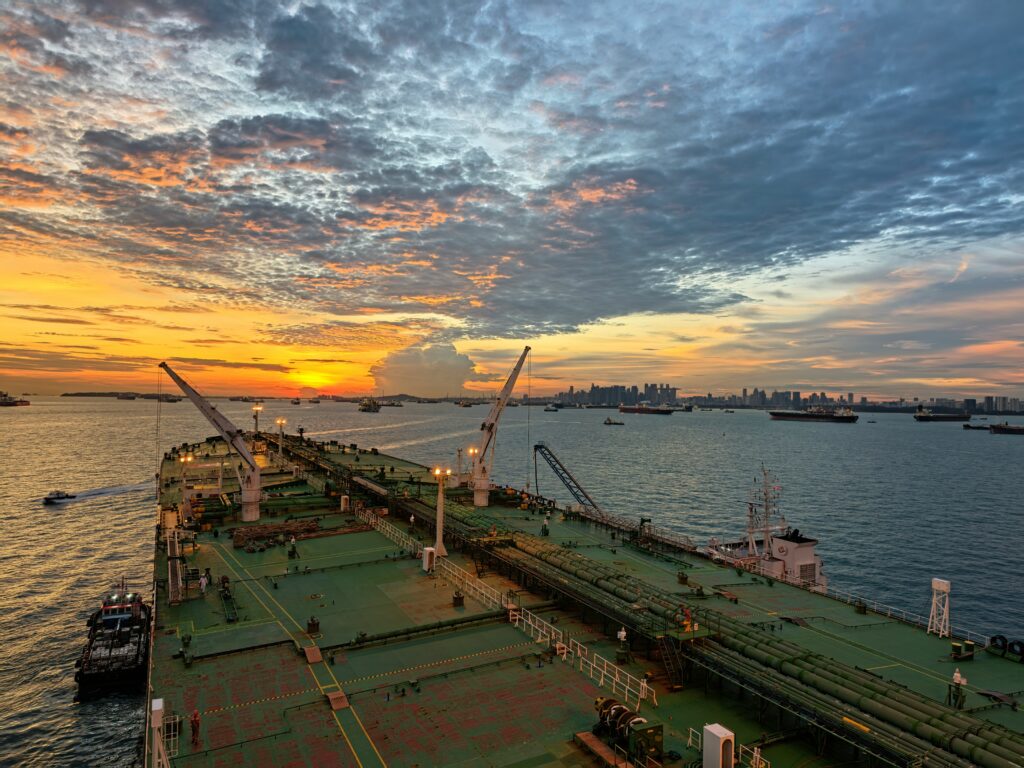
The numbers explain why. Around 8.5 per cent of the EU’s liquefied natural gas, seven per cent of its oil, and 40 per cent of its jet fuel and diesel pass through the Strait of Hormuz, Commission spokeswoman Anna-Kaisa Itkonen confirmed. Globally, the strait transits roughly 20 per cent of all oil and LNG. A month of conflict has already driven up energy prices and disrupted fuel supplies across the bloc.
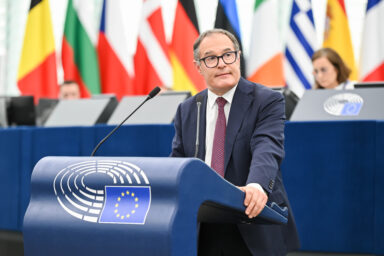
“We should be under no illusion that this crisis will be short-lived. It will not be,” Ms Itkonen said. According to sources close to the Commission, Brussels is already pushing member states towards International Energy Agency (IEA) emergency measures: reducing speed limits by 10 km/h, expanding working from home, and postponing refinery maintenance. The Commission is also monitoring energy company profit margins and plans to increase biofuel use. The Oil Coordination Group met Wednesday afternoon; the Gas Coordination Group follows on Thursday.
Europe’s four red lines
Brussels welcomed the Pakistan-brokered ceasefire — but cautiously. However, the EU stressed that the underlying causes of the conflict remain unresolved. High Representative Kaja Kallas travelled to Saudi Arabia on Wednesday to meet her Saudi counterpart and the Secretary General of the Gulf Cooperation Council.
We should be under no illusion that this crisis will be short-lived. It will not be.
—Anna-Kaisa Itkonen, European Commission spokeswoman
Meanwhile, the EU outlined four priorities for any lasting deal: no Iranian nuclear weapon, an end to its ballistic missile programme, a halt to support for destabilising proxies, and guaranteed freedom of navigation in the strait. Iran’s foreign minister signalled that passage will remain subject to coordination with Iranian armed forces — a position Brussels has not accepted. The Commission reiterated that the waterway must remain open under international law. For European energy consumers, the ceasefire may be just the beginning.