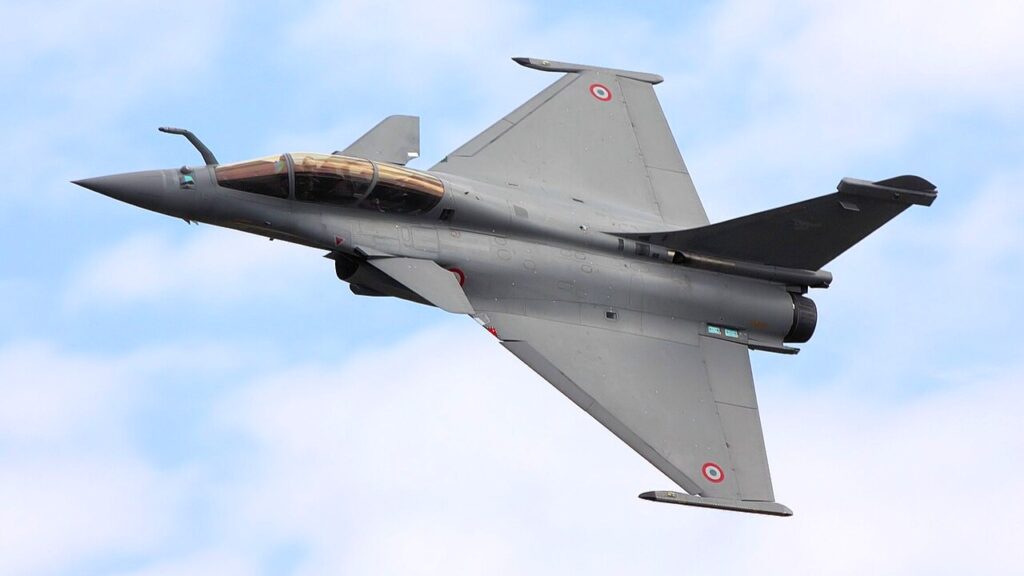

Signatures on the fighter aircraft deal were expected in February during the visit of French President Emmanuel Macron. They did not come. Dassault Aviation wants the deal closed this year, yet New Delhi and Paris now joust over something invisible but vital: computer code.
The quarrel matters. France calls the Rafale an ‘omni-role’ jet that can fly out on one task and land having done several others. Its radar, electronic-warfare suite and data-fusion allow deep strikes without escorts. Buyers also value its freedom from American export shackles. India, which already flies 36 Rafales, would gain a potent edge over China and Pakistan once the additional jets arrive.
But India wants more than airframes. “India’s signing of a firm contract for 114 French Rafale fighters under the MRFA program still hasn’t happened, although signatures were expected as early as February, during French President Emmanuel Macron’s visit to India,” the The Friday Times, a Pakistani outlet quotes a defence analyst.
Source-code stand-off
“Most likely, Paris and Delhi ran into the source code issue Indian side’s free access to updating Rafale onboard systems software,” Defense Express writes. New Delhi argues that sovereign fighters must accept sovereign weapons. It demands the right to slot its own missiles into the jet, patch the electronic-warfare suite and tweak suspension gear — all without French supervision.
A report by the French business outlet, L’Essentiel de l’Éco, said the denial specifically concerns the Rafale’s Thales RBE2 active electronically scanned array (AESA) radar, and the Modular Data Processing Unit (MDPU). These represent the aircraft’s operational ‘brain’, the SPECTRA electronic warfare suite. The system collectively defines the fighter’s sensor fusion, survivability, and electronic combat architecture.
You might be interested
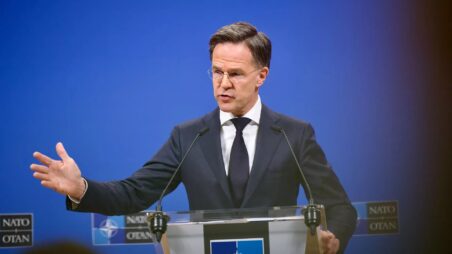
Paris doesn’t share such Indian views. French officials fear both lost revenue and unwelcome prying. Every Rafale upgrade today forces customers back to Dassault’s factories, a lucrative stream of parts, software keys and integration fees. Let India inside the code and that stream could slow to a trickle.
New Delhi obviously stands quite firm on its position. The government already squeezed improbable concessions from France: 96 of the 114 jets would be assembled in India. Local content would start at 30 per cent and rise to 60 per cent.
Indian firmness
Even so, New Delhi says the offer falls short. However, the Indians also want to freely make its own changes to aircraft armament, integrating their own weapons independently, updating the EW suite, integrating its own suspension systems, etc.
France fears not only Indian creativity but Russian curiosity. India and Russia jointly build the BrahMos cruise missile. Among the weapons India would likely want to mount on Rafale will definitely be BrahMos – the Russian-Indian Oniks.
That prospect rings alarm bells in Paris. “This means the Russians have already gained access to Rafale’s program code,” grumbles a French official in the L’Essentiel de l’Éco report.
Money on the line
Behind the security talk lurks cash. After all, they lose a very important revenue source from constant sales of weapons, components, aircraft repair, as well as modernisation. French engineers worry that open access would let India bolt on Gandiva air-to-air missiles instead of France’s Meteor, and Indian stand-off missiles instead of SCALP (Système de Croisière Autonome à Longue Portée – Emploi Général, a long-range, air-launched, precision-guided cruise missile manufactured by MBDA. It is the French designation for the weapon known in Britain as the Storm Shadow).
As soon as India gets the ability to independently update Rafale, for example, instead of Meteor missiles, their own Gandiva will be installed. That would slash Dassault’s after-sales pile. There will also be no need to purchase only French SCALP cruise missiles, or Damocles optical sighting station, instead of which Indian analogs may also appear.
New Delhi counters that France itself once prized autonomy. Dutch remarks have emboldened Indian negotiators. In particular, the Netherlands’ defense state secretary let slip that it’s possible to hack F-35 code and do without the US. If Europe reserves that latitude, why not Asia?
Security first, says Paris
France insists its worry is strategic, not mercenary. “That’s precisely why France already said they’re not against integrating Indian weapons into Indian Rafales, but with Dassault Aviation retaining full control over this process,” Ukrainian Defence Express wrote. The firm stresses that alien code could compromise Spectra, the jet’s electronic-warfare brain. Mishaps would rebound on France’s own air force.
Rafale’s track record underlines the stakes. “Since its first combat debut in Afghanistan (2002) and the high-tempo Libya campaign (2011), the Rafale has evolved into one of the few ‘omni-role’ jets able to take off with one mission and land having executed several others,” Dassault says in a statement.
Paris and Delhi ran into the source code issue Indian side’s free access to updating Rafale onboard systems software. — Defense Express
It has flown in Libya, the Sahel and the Levant without a combat loss. Its 1,850 km combat radius, extendable by buddy refuelling, lets two jets cross the Mediterranean, strike and return the same day. Operators from Egypt to Indonesia value that reach and freedom from American licensing.
Local hurdles, global echo
India’s row could echo beyond South Asia. Egypt and the United Arab Emirates picked Rafales partly because they are export-friendly as it is 100 per cent ITAR-free — buyers are not subject to US vetoes on software, weapons or end-use. If Paris now restricts code, other buyers may bridle.
Time still exists for compromise. Dassault could remain gatekeeper yet allow Indian missiles after lab tests in France. But the gap looks wide. At the same time, Indians allegedly already threatened with unauthorized hacking. This is indeed possible as the Dutch official’s remark suggests.
With elections looming in both countries, neither leader wants to look soft. Yet the operational logic remains strong. Rafales give India a swing-role fighter able to escort bombers today, lob stand-off weapons tomorrow and police the Himalayan border the day after. For France, the sale would cement influence in the Indo-Pacific and fund further upgrades toward the F4 and F5 standards.