
While oil and gas shortages dominate headlines, a quieter crisis is unfolding: helium, a critical yet often overlooked material, is running out. Its scarcity could have far-reaching effects on the global economy and high-tech industries.
Iran’s blockade of the Strait of Hormuz forced Qatar to shut down its helium plants, cutting a large part of the world’s helium supply. No alternative supplier is expected to be able to fill the gap. Production in the United States is almost at maximum capacity, and Russian helium imports are banned due to EU sanctions.
“No new projects exist that can ramp fast enough to close the gap in 2026,” experts at the Centre of Materials & Resilience warned in March. “If the disruption holds, many industrial users will not face price increases but the question of whether helium will be available at all.”
Invisible but significant
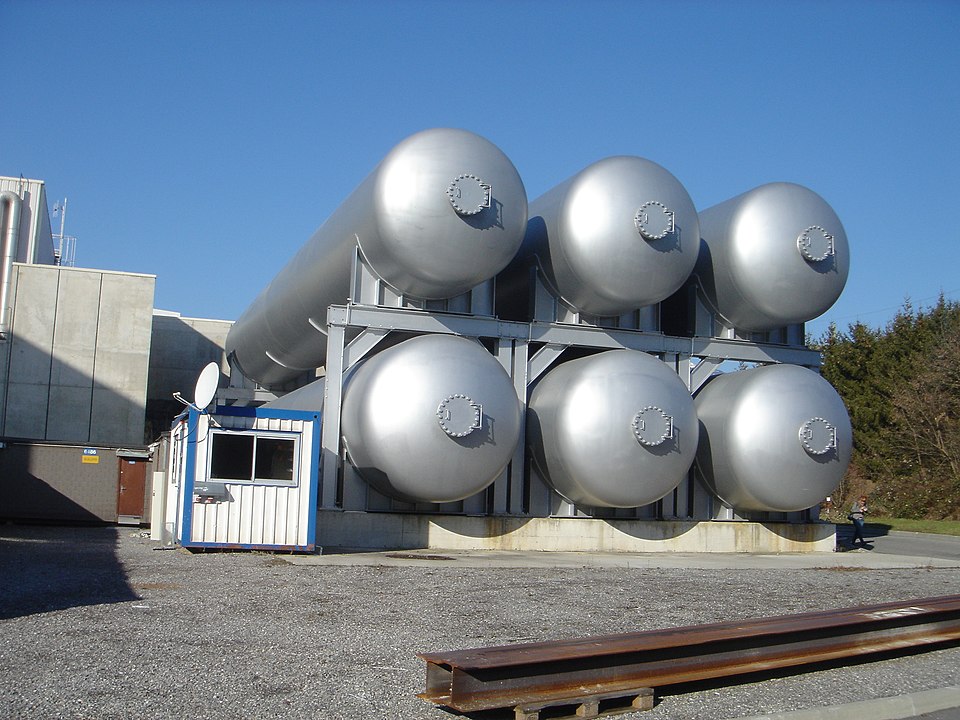
Helium is a colorless, odorless and tasteless gas that is a byproduct of natural gas winnings. It’s essential for many of the world’s high-tech industries. It has the lowest boiling point of any element, at -269°C, and is chemically inert — meaning it is extremely stable. These properties make helium valuable and difficult to replace.
The gas is used to cool MRI machines and rocket fuel tanks, and is essential for producing semiconductors. Such chips power everything from smartphones and cars to AI systems.
You might be interested
Experts of the Centre of Materials & Resilience argued the EU should build strategic helium reserves. They also recommended boosting recycling and adopting more helium-efficient procurement methods.
Critical dependency
“Helium doesn’t make headlines. But it should. This invisible gas is a hidden pillar of the global economy,” says the Union of European Federalists, an international non-profit association. “This is not just about energy or geopolitics. It’s about control over the technologies that define the future.”
Shortages in the EU are not expected immediately. It normally takes tankers weeks to deliver the gas. Two countries already at risk, however, are Taiwan and South Korea. “Semiconductor fabs in both countries could be forced to ration helium or halt production lines,” experts said.
South Korea sourced about 64.7 per cent of its helium imports from Qatar last year, according to analysts at Fitch Ratings. Neighbouring Taiwan faces “similar risks” as it relies on Qatar for “the majority of its helium supplies”.
Taiwan is one of the world’s largest exporters of advanced computer chips. The Taiwan Semiconductor Manufacturing Company (TSMC) produces semiconductors that are embedded in an immense range of technologies—from smartphones and automobiles to cutting-edge weapons systems and navigation infrastructure. The ripple effects of a disruption in Taiwan’s chip production would therefore be felt far beyond Asia.
The EU’s dependency on these semiconductors became painfully clear at the end of last year. A dispute between the Netherlands and China led the company Nexperia to threaten halting exports of semiconductors to the EU.
This risked an immediate “economic meltdown”, since the EU’s automotive sector, in particular, is highly reliant on imported semiconductor chips. Today, a prolonged helium shortage could slow production lines, delay deliveries, and increase costs across the bloc.
Critical raw materials
Helium is not the only product under pressure, analysts say. Materials such as phosphorus and natural graphite are also at risk due to the blockade of the strait. Phosphorus is used to produce fertilisers, while natural graphite is needed to manufacture modern electric vehicle (EV) batteries.
The European Commission has labeled these materials as “critical raw materials”, meaning they are “indispensable for the EU economy”. To reduce vulnerability to supply disruptions of these materials, the Commission introduced the Critical Raw Materials Act two years ago. By 2030, at least ten per cent of each used critical raw material must be extracted within Europe. In addition, 25 per cent must come from European recycling.
“The Critical Raw Materials Act as adopted today by an overwhelming majority is the starting point for Europe’s path towards a secure and sustainable supply of raw materials. This will ensure growth and prosperity,” lead MEP on the file Nicola Beer (Renew/DEU) said at the time.