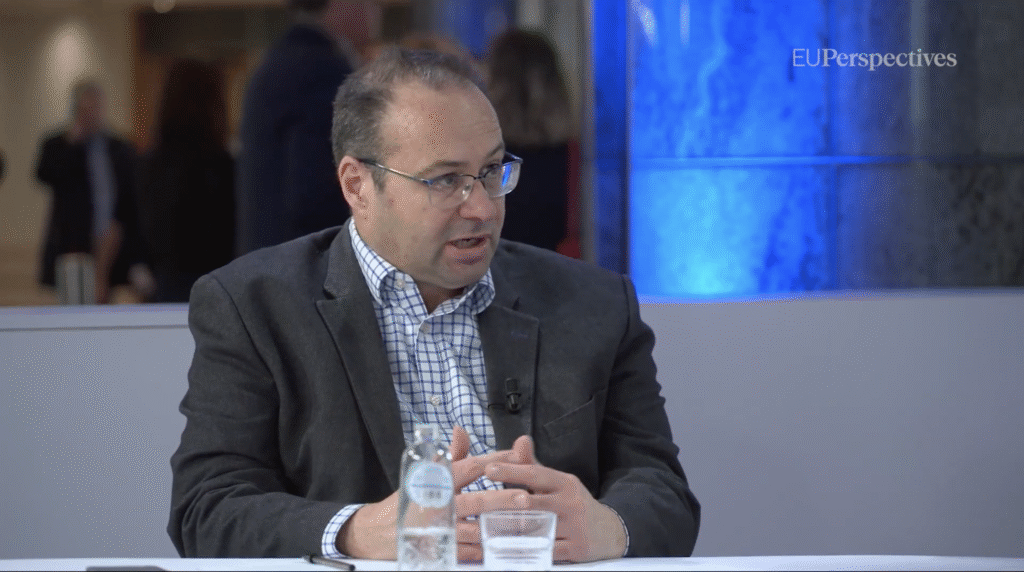

We should invest as much in prevention as we do in treatment, said Andy Bounds, Financial Times European Union correspondent in the March episode of the EU Perspectives podcast. He also identified medicines as a front opening in the transatlantic trade war.
The industry’s sheer scale makes European pharma a prime target in a trade conflict. Mr Bounds noted that its value to Europe is immense. “Let’s not forget the pharmaceutical industry is our biggest export in Europe. It is our biggest export to the US — you know, over 100 billion annually of euros,” he said.
This economic heft made securing tariff-free access a priority in past trade negotiations. Yet the old threat of tariffs has been replaced by a new one: forced price hikes. The administration of US President Donald Trump alleges that European systems are not paying enough for American drugs.
Mr Bounds explained the complex dynamic. “He wants to cut drug prices at home while increasing them to compensate basically in other countries,” he said. Coordinating a response across the EU’s 27 different national paying authorities is a Herculean task. Mr Bounds pointed to the UK’s experience as a cautionary tale. After agreeing to price increases “It will have to find the budget from the taxpayer to actually pay this money.”
Beyond America, China’s rapid ascent presents a second strategic challenge. “China is becoming a global superpower in medicines as well, which is relatively new,” Mr Bounds stated, creating a pincer movement that threatens European competitiveness.
You might be interested
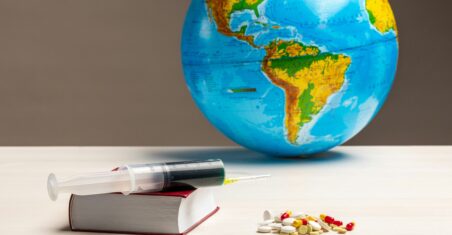
The drive for a Critical Medicines Act is a direct consequence of the COVID-19 pandemic, which exposed a dangerous over-reliance on Asian supply chains. Mr Bounds clarified that the vulnerability lies not in finished products but in their components. “China and India particularly make these precursors that you need to make the drug.
So even if you have the factories here and the scientists, you can’t. If you can’t get the ingredients, you can’t make the drug,” he said. This realisation prompted a push from a significant majority of member states for greater stockpiling and incentives for domestic production.
The legislative cure for strategic dependence
The proposed legislation is now in the final stages of negotiation between the Council and the European Parliament. While there is broad political agreement on its necessity, the devil is in the details. Mr Bounds highlighted the institutional friction that typically defines such talks. He anticipates “the usual tensions between Parliament, which tends to be more interventionist, and the member states who want to make sure that investment decisions are not compromised”. The fear among national governments is that heavy-handed regulation could deter investment if companies feel burdened by onerous new buy-domestic rules.
You don’t hear really top people at the Commission talking about health, unfortunately, as one of the priorities of budget.—Andy Bounds, Financial Times EU correspondent
Looking ahead, the prospects for a significantly larger health budget appear slim. Mr Bounds was sceptical that health would become a primary financial priority for the next EU budget cycle. “Defence is going to get a big slice of money,” he predicted, noting that the Horizon research programme may also see an increase, some of which could indirectly benefit health.
However, he observed that “you don’t hear really top people at the Commission talking about health, unfortunately, as one of the priorities of budget.” Traditional behemoths like the Common Agricultural Policy and cohesion funds will continue to command the largest shares, meaning the so-called modernised budget may closely resemble its predecessor.
A shrinking piece of the pie
Mr Bounds concluded with a broader philosophical point on public spending, drawing a lesson from austerity policies. He argued for a smarter allocation of funds that prioritises prevention. “I’m here in the UK, where I lived before they started cutting budgets. They cut the public health budget and what happened was people got more and more sick and therefore the hospital budget went up,” he said.
This experience suggests a need for cold analysis. The most effective way to safeguard Europe’s health—and its lucrative pharmaceutical industry—may be to invest upfront, ensuring resilience against future shocks.